Supreme Court considers restricting movement in Delhi to BS-VI standard vehicles and introduces five-year plan for commercial transport
Read more
The times of India
timesofindia.indiatimes.com

Supreme Court considers restricting movement in Delhi to BS-VI standard vehicles and introduces five-year plan for commercial transport

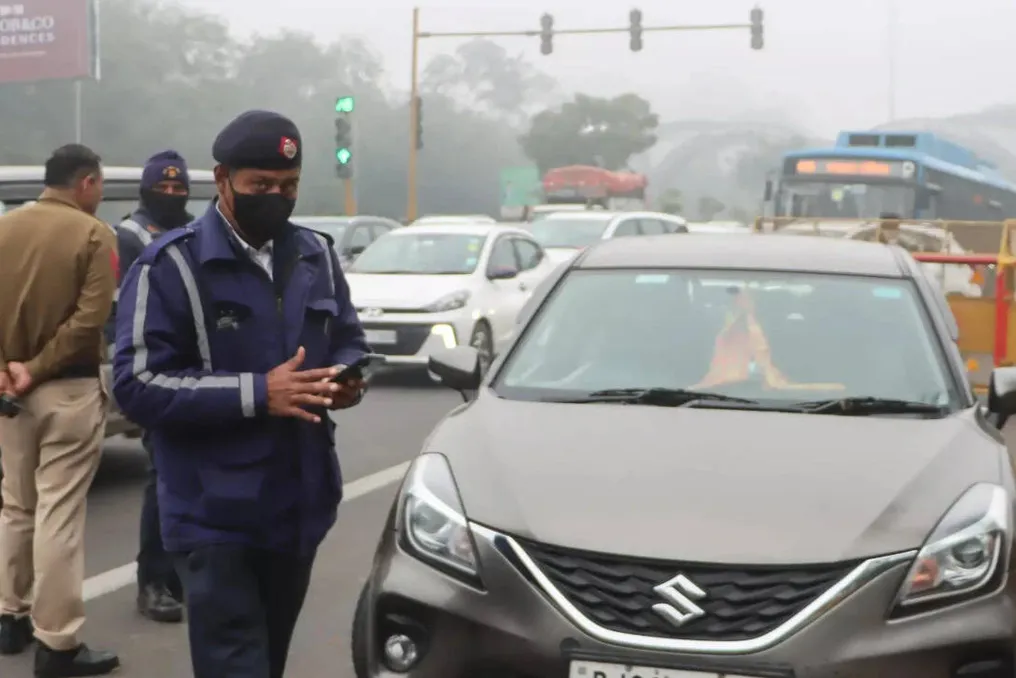
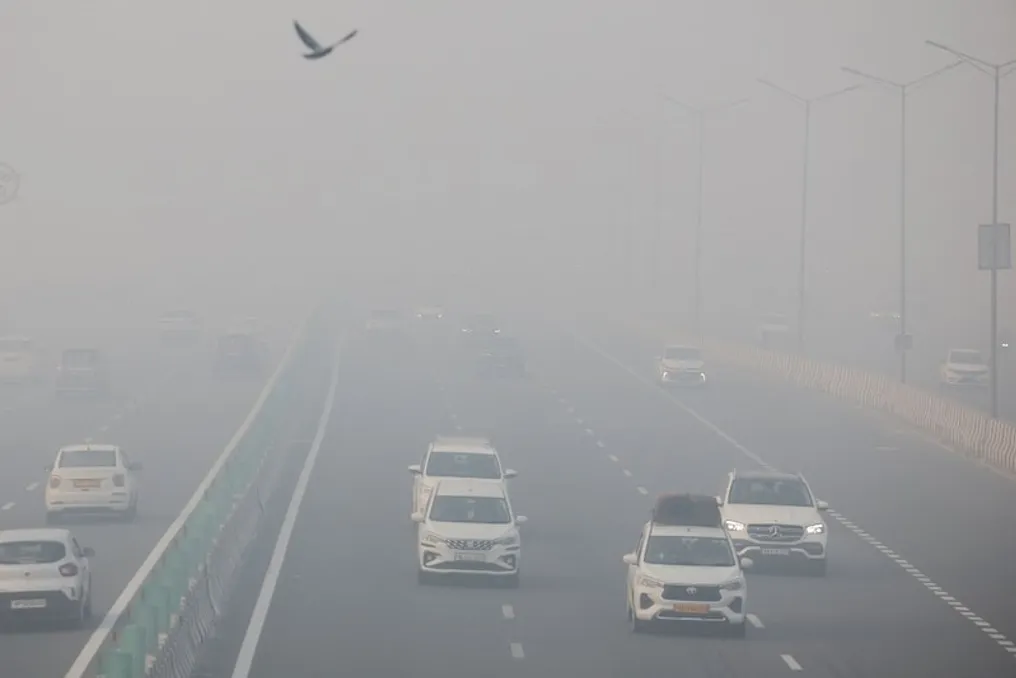
The Supreme Court indicated on Monday that it could consider allowing only vehicles meeting the Bharat Stage-VI (BS-VI) emission standards to operate in Delhi as part of measures to combat deteriorating air quality.

The bench, headed by Chief Justice Surya Kant, also proposed developing a five-year plan that would ultimately exclude commercial vehicles from the capital. This plan involves relocating goods unloading to warehouses located at the borders of Delhi, with cleaner transport being used for intra-city delivery.

Court's proposal for warehouses at Delhi borders

The court suggested establishing warehousing facilities on the periphery of Delhi where commercial vehicles could offload their cargo. Subsequently, goods could be delivered into the city using smaller, battery-operated or other environmentally friendly vehicles.

Similar stories

Supreme Court requests reports from states on air pollution control measures in Delhi
Read more
www.aajtak.in

Supreme Court requests reports from states on air pollution control measures in Delhi

During hearings on the issue of air pollution in Delhi, the Supreme Court raised questions regarding the measures taken to control pollution and their actual impact. The court demanded that the states provide detailed information on the work accomplished.

The Chief Justice of India (CJI) instructed all involved parties to submit complete information and detailed reports. The presence of the Public Prosecutors from Punjab, Haryana, Uttar Pradesh, Rajasthan, and Delhi was scheduled for the next session.

The court also commented on the report presented by the Municipal Corporation of Delhi (MCD). The CJI noted that the MCD presents a very favorable picture and recommended that it submit a corresponding written statement. The judicial body required all relevant departments to demonstrate the real state of affairs in pollution control, aiming to assess practical steps and their results, rather than relying solely on statements.

During the discussion on heavy vehicle movement in Delhi, an advocate reported that after receiving permission from the Supreme Court to introduce an Environmental Compensation Charge (ECC), the number of heavy trucks entering had decreased by approximately 30 percent. To this, the CJI responded that any large-scale restrictions could have far-reaching consequences. It is impossible to completely stop vehicle entry into Delhi because supplies of fresh vegetables, food, and other essential goods for residents must be ensured.

The CJI suggested that even if a complete ban on commercial truck entry is not possible this year, a concrete action plan should be developed over the next five years. He proposed considering alternative solutions to halt the entry of heavy commercial transport into Delhi, such as using battery-powered vehicles or establishing warehousing facilities at the borders of Delhi.

The court emphasized that the supply of necessary goods must not be interrupted, as imposing restrictions could seriously affect the population. Although Delhi experienced some relief from pollution this winter, the court noted that this was due to luck and the help of nature. Justices J.B. Pardiwala and Bagchi observed that people were happy during this winter, and the CJI agreed that this should be attributed to nature, as people's lungs got a rest. Nevertheless, the court hinted that further consideration of additional measures and guidelines for combating pollution would continue.

Questions were also raised about the role of neighboring states. The Supreme Court questioned the passive stance of border states regarding pollution control. The court will examine what additional steps the states and relevant agencies can take to reduce the pollution level in the Delhi-NCR region. Furthermore, the court decided to request detailed reports from all states on the status of affairs to gain a complete picture of pollution control efforts.

The issue of BS-4 standard vehicles was also addressed during the hearings. An advocate reported that owners of these vehicles are facing serious difficulties due to the cessation of Pollution Under Control (PUC) certificate issuance for BS-4 cars, which has led to some citizens being unable to obtain petrol. Justice Bagchi stated that the court's objective is to resolve the issue of allowing only BS-6 vehicles in Delhi, and if possible, such a system should be extended to the entire NCR. However, the CJI ordered to maintain the current situation (Status Quo) on this matter, stating that the court does not intend to interfere, and this system will remain in effect for at least one month.

In conclusion, the Supreme Court adjourned the hearing on the Delhi air pollution case. Detailed reports were requested from all relevant states and agencies. Punjab, Haryana, Uttar Pradesh, Rajasthan, and Delhi must provide information on pollution control measures, heavy transport movement, alternative schemes, and issues related to BS-4 vehicles. In the next session, the court will consider further directives based on the received reports.

Ministry of Transport Changes Emission Certification Rules (PUC) for BS-I to BS-VI Vehicles
Read more
timesofindia.indiatimes.com

Ministry of Transport Changes Emission Certification Rules (PUC) for BS-I to BS-VI Vehicles

The Ministry of Road Transport and Highways (MoRTH) has introduced changes to the validity periods of Pollution Under Control (PUC) certificates, implementing an age-based system that determines the frequency of emission testing.

These new rules, approved on November 13, provide a longer certificate validity period for new BS-VI category vehicles, while shortening testing intervals for older cars. Furthermore, the updated system standardizes the PUC certificate validity for older emission categories nationwide, eliminating discrepancies in testing requirements between states.

The changes were made through the Central Motor Vehicles Rules (Sixtieth Amendment), 2026, which amends Rule 115(7) of the Central Motor Vehicles Rules of 1989. This amendment came into force from the date of its publication in the Official Gazette.

How the New Rules Change PUC Certificate Validity

Previously, the PUC certificate validity was determined primarily by the vehicle's Bharat Stage (BS) emission category. Consequently, a new private car and an older commercial vehicle, despite both belonging to the BS-VI category, could receive a certificate valid for one year.

The updated structure introduces a more differentiated approach for BS-VI vehicles. The certificate validity will now depend on two factors: the vehicle's age and whether it is registered for private or commercial use. The vehicle's age is calculated from its date of first registration.

New Validity Periods for Private BS-VI Vehicles

Under the previous system, all BS-VI private cars received PUC certificates valid for 12 months, regardless of age. The new rules establish three time intervals:

  • Up to six years: the PUC certificate is valid for three years, compared to the previous 12 months.
  • More than six years and up to 10 years: the validity remains unchanged at 12 months.
  • More than 10 years: the validity is reduced to six months instead of the previous 12 months.

This means that owners of newer BS-VI private cars will undergo emission testing less frequently, while owners of vehicles over 10 years old will face more frequent checks.

Changes for Commercial BS-VI Vehicles

Commercial BS-VI vehicles will also be subject to an age-dependent validity schedule, although the extension for new vehicles will be shorter than for private ones. Before the amendments, all BS-VI commercial vehicles had PUC certificates valid for one year. According to the revised rules:

  • Up to six years: the validity increases to two years compared to the previous 12 months.
  • More than six years and up to 10 years: the validity remains 12 months.
  • More than 10 years: the validity is reduced to six months.

Thus, the updated schedule provides a longer validity period for new commercial vehicles but maintains more frequent testing requirements for older models.

Testing for BS-I, BS-II, and BS-III: 3-Month Check Across India

The amendment also introduces a uniform testing requirement for vehicles meeting older emission standards. Previously, BS-I, BS-II, and BS-III vehicles typically had a PUC certificate validity of six months according to central rules, but some states mandated shorter intervals. For instance, Delhi already required these vehicles to be tested every three months.

Under the revised structure, the validity period for all BS-I, BS-II, and BS-III vehicles will be three months, regardless of their age or category. This ensures the uniform application of the three-month testing requirement across all states and union territories.

BS-IV Vehicles: Validity Reduced from One Year to Six Months

For BS-IV vehicles, the central provision previously allowed a PUC certificate validity of 12 months. However, some states and districts within the National Capital Region (NCR) had already implemented a shorter six-month validity. The amended rules now mandate six months as the standard validity period for all BS-IV vehicles nationwide, regardless of whether they are private or commercial. This change effectively aligns the national requirement with the strict timelines already observed in some regions.

When Does the New PUC Certificate Period Start?

The amendment also clarifies how the extended PUC certificate validity will be calculated, depending on when the vehicle owner undergoes the emission test. If testing is conducted within 10 days before the existing certificate expires, the renewed certificate will start from the date the previous one expired. This ensures that owners do not lose any remaining validity by renewing in advance. If the test is conducted on the expiry date or after, the renewed certificate will be valid from the date of the test.

Validity of Existing PUC Certificates

PUC certificates issued before the implementation of the revised rules remain valid until their respective expiry dates. Vehicle owners are not required to immediately obtain new certificates to comply with the revised schedule. The new validity provisions will apply upon the first renewal of existing certificates according to the amended rules. For example, a four-year-old BS-VI private car currently holding an annual PUC certificate can obtain a three-year certificate upon its next renewal. The changed validity period will not automatically extend an already held certificate.

Required Documents

All vehicles must possess a valid PUC certificate issued by a testing center authorized by the respective government. According to Rule 116 of the Central Motor Vehicles Rules, vehicle owners are obligated to present the certificate upon demand by an authorized official. Its validity can also be checked digitally via the Parivahan PUCC Portal.

Under previous provisions, new vehicles of all emission categories were exempted from obtaining a separate PUC certificate for the first year after initial registration. However, the available details of this latest change do not specify whether this exemption has been altered or maintained.
Government introduces ban on entry of certain vehicles into Delhi-NCR under GRAP-3 regime
Read more
www.aajtak.in

Government introduces ban on entry of certain vehicles into Delhi-NCR under GRAP-3 regime

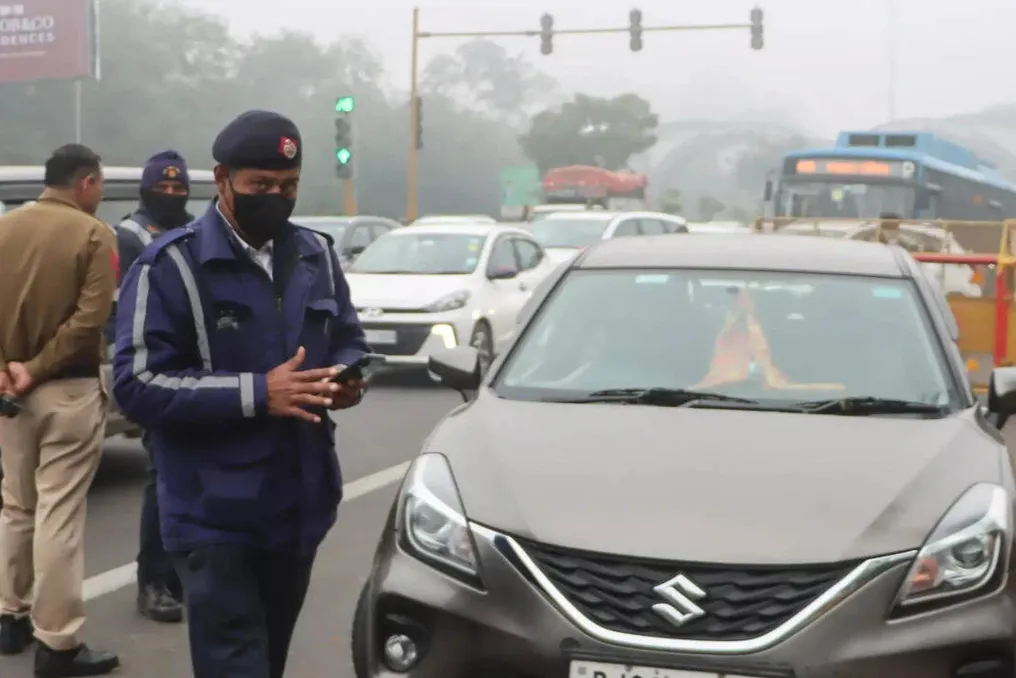
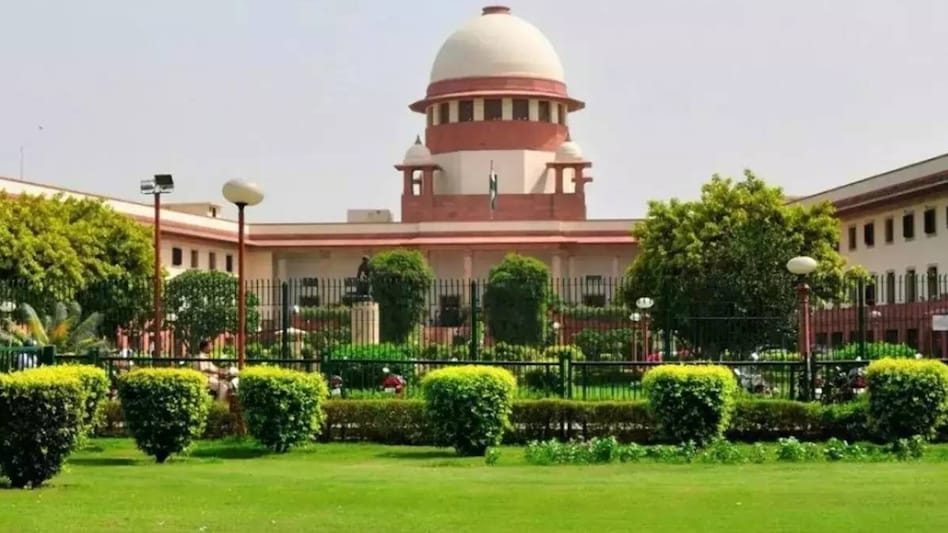
Air quality continues to deteriorate in Delhi-NCR, with pollution levels not decreasing and reaching an AQI above 400 in some areas. Consequently, GRAP-3 restrictions have been implemented based on directives from the Central Government's Commission for Air Quality Management (CAQM). These measures prohibit the movement of vehicles that pollute the environment in the Delhi-NCR region.

Under GRAP-3, old and heavily polluting vehicles are banned from operating on the roads in Delhi, as well as in Noida, Greater Noida, Ghaziabad, Gurugram, and Faridabad.

According to GRAP-3 rules, gasoline vehicles of BS-3 standard and diesel vehicles of BS-4 standard are completely banned in Delhi. Similar restrictions apply to Noida and Greater Noida, where only certain types of vehicles are permitted to operate.

Some vehicle categories have been exempted from GRAP-3 restrictions. These include gasoline and diesel vehicles of BS-6 standard. Exemptions have also been granted to BS-4 gasoline vehicles, as well as BS-3 and BS-4 motorcycles and scooters. No ban has been imposed on transport running on compressed natural gas (CNG) or electric vehicles. Furthermore, privately modified vehicles for the use of persons with disabilities are also not subject to the ban.

Strict measures have been adopted under GRAP-3 regarding heavy and commercial transport. The entry of light and medium goods vehicles of BS-4 standard or lower from other states into Delhi has been prohibited. Additionally, further restrictions have been introduced for a number of BS-4 standard or lower diesel trucks, and some previously granted concessions for vehicles transporting essential goods have been revoked.

Popular