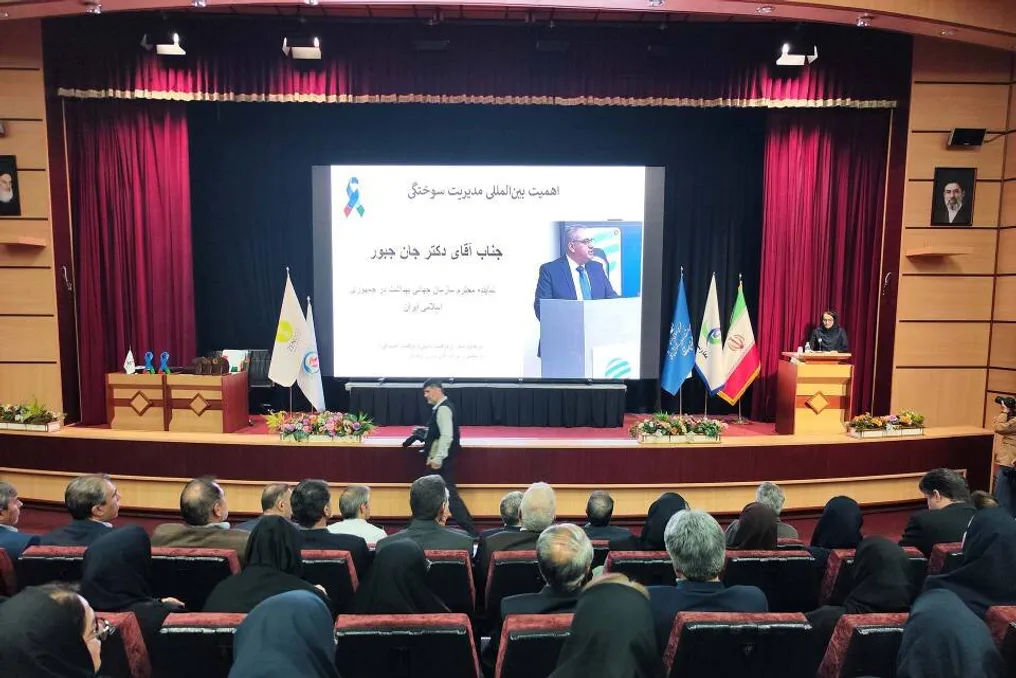
Ministry of Health and WHO Mark World Burn Week 2026
Read more
Tehran Times
www.tehrantimes.com

Ministry of Health and WHO Mark World Burn Week 2026

The Ministry of Health and Medical Education, in collaboration with the World Health Organization (WHO), marked World Burn Week 2026. The event was held under the motto 'Chain of Hope: From Clinical Care to Social Support.'

Burn Week took place from November 2 to 8, and its theme was 'Prosperity Through Community Care.' The focus in 2026 was placed not just on survival after a burn, but on prosperity, as well as on the key role of many people in supporting this process at all stages of recovery.

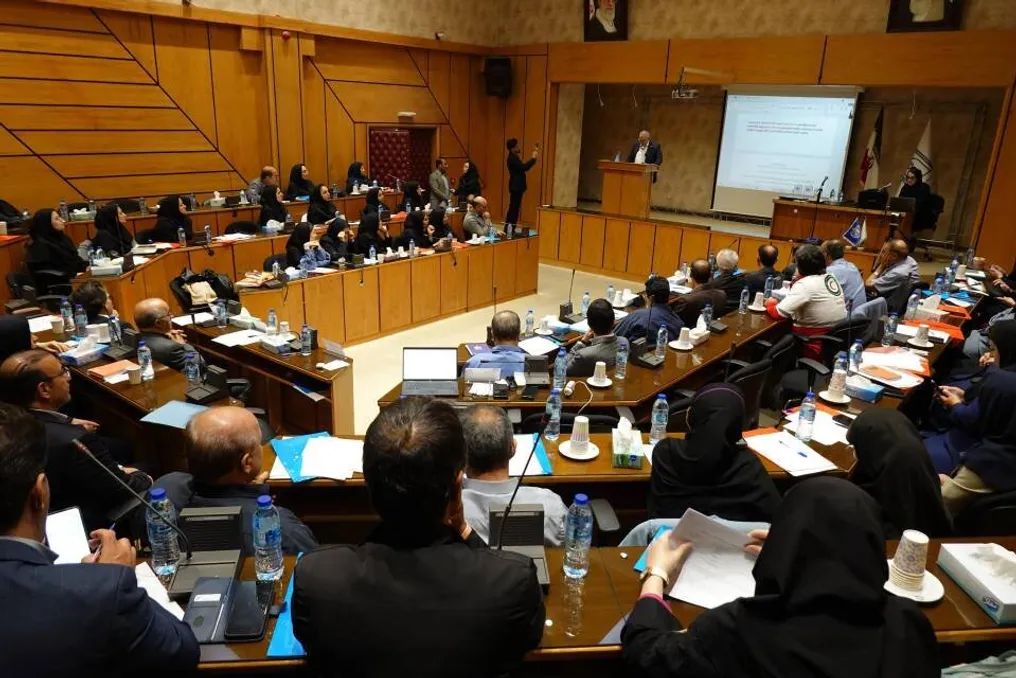
The national event took place on November 2. It gathered high-ranking officials in the health sector, experts, and WHO staff to emphasize the need for coordinated action to prevent burn injuries, as well as to strengthen the care, rehabilitation, and social support for burn victims, as announced on the WHO website in a press release dated November 22.

Event Opening

The event was opened by the Minister of Health and Medical Education Mohammad-Reza Zafarkandi, Deputy Minister of Medical Affairs Sajad Razavi, Deputy Minister of Nursing Abbas Ebadi, and the WHO representative in the Islamic Republic of Iran, Jean Jabbour.

Mashineh Haddadi, Advisor on National Health Policy, and Afshin Ostovar, Head of the Non-Communicable Diseases Group at the WHO Country Office, were present. Haddadi spoke on behalf of the WHO representative, emphasizing the importance of coordinated measures to enhance burn prevention and comprehensive care, as well as to promote universal health coverage and protection against financial risks, ensuring equal access to quality burn treatment.

Sharing the personal story of a burn survivor drew attention to the human impact of injuries, highlighting the importance of continuous support throughout the entire recovery and rehabilitation process. Furthermore, the event recognized individuals and stakeholders who contributed to the development of burn treatment by presenting them with letters of appreciation and commemorative logos.

In a sign of solidarity and gratitude, specially designed scarves dedicated to World Burn Week 2026 were presented to the Minister and deputy ministers.

Scale of Burn Problem

Every day, more than 30,000 people suffer from burns requiring medical attention, and approximately 11 million new cases are recorded annually. Moreover, 70 percent of all burns occur in low- and middle-income countries. Estimates suggest that 180,000 people die from burn injuries each year, with the vast majority of these deaths occurring where access to resources is limited.

Severe burns extend beyond visible damage, as they can trigger an inflammatory reaction affecting the entire body. Comprehensive burn care includes coordinated multidisciplinary services such as wound treatment, nutrition, surgery, rehabilitation, and psychological support.

Burn treatment is a complex process that requires the use of various types of topical medications and dressings, as well as high-level decision-making by healthcare professionals. Although most burn patients survive, many face ongoing issues related to pain, deformity, and varying degrees of disability.

According to WHO data, burns are a cause of one of the greatest burdens of morbidity. Burns cause long-term changes that affect physical and mental health, as well as reduce quality of life.

Goals of World Burn Week

World Burn Week serves as an international platform to raise awareness, promote greater cooperation, and work together towards achieving global equity in the burden and spectrum of burn injury treatment. This weekly global campaign is held in the first week of November with the aim of reducing global inequality in burn prevention, treatment, and survival.

The week was established through the joint efforts of 11 organizations from all over the world, and the first one took place in 2024. Since then, it has been supported by nearly 100 partner organizations involved in burn care, public health, advocacy, and survivor support.

Burns represent a serious global health problem, with millions of new cases annually and a disproportionately large burden in low- and middle-income countries. As an international platform, World Burn Week aims to raise awareness, stimulate cooperation, and work towards global equity in the burden and treatment of burns. By bringing together stakeholders, fostering understanding, and advocating for change, it seeks to make a tangible impact on the lives of people affected by burns worldwide.

The week envisions a world where burns are prevented, and access to timely and effective treatment is fair, inclusive, and lifelong, regardless of location, income, gender, age, or ability.

Its mission is to be a unified voice on the issue of burns as a global health crisis, advocating for equality in burn prevention, treatment, and survival, while promoting international cooperation.
Similar stories

Seminar held with WHO support to strengthen public health functions
Read more
www.tehrantimes.com

Seminar held with WHO support to strengthen public health functions

The National Center for Public Health Management, a collaborating center of the World Health Organization (WHO), conducted a one-day seminar aimed at improving qualifications in the implementation of Essential Public Health Functions (EPHFs) in hospitals.

The event was organized by the WHO Country Office in the Islamic Republic of Iran in collaboration with the WHO Regional Office for the Eastern Mediterranean and Tabriz University of Medical Sciences. According to a press release published on the WHO website on November 17, the seminar's goal was to help participants better understand EPHFs and support their practical application in inpatient settings.

The seminar was opened by Said Aslanabadi, Vice Chancellor of Tabriz University of Medical Sciences, and Jean Jabbar, WHO representative in the Islamic Republic of Iran. In his remarks, Jabbar affirmed WHO's commitment to improving population health, promoting Universal Health Coverage (UHC), and strengthening the resilience of the healthcare system.

Jabbar noted that implementing EPHFs is an economically efficient and sustainable method for improving population health, expanding UHC, and enhancing the resilience of the healthcare system. He emphasized that this work aligns with WHO's priorities in primary health care and health security, as well as the flagship initiative of the WHO Regional Director for Health Workforce. According to him, having a qualified, supported, and sustainable health workforce is critical for the effective implementation of EPHFs. Ultimately, protecting public health is the shared responsibility of the entire healthcare system, and this cooperation aims to enhance hospitals' focus on public health and contribute to creating more resilient healthcare systems and improving health outcomes for all.

The participation of Askar Jafari Rouhi, Vice Chancellor for Medical Affairs at Tabriz University of Medical Sciences, demonstrated the importance of partnerships between WHO and national academic and medical institutions. It also reflected the leadership of the University's clinical and medical departments' commitment to strengthening hospitals' focus on public health and promoting the integration of primary health care and EPHFs into hospital services.

The seminar in Tabriz continued a previously initiated joint initiative involving WHO, the Iranian University of Medicine, and the National Center for Public Health Management. Under this initiative, hospital directors from Tehran and various provinces received training on applying EPHFs in hospital settings.

Four staff members from Tabriz University of Medical Sciences—Mohammad Yousefi, Ali Ebadi, Reza Akebati, and Farzaneh Alikhah—participated in the initial training and subsequently worked on implementing EPHFs in Mardani Azar and Osku hospitals. By applying the knowledge and experience gained, they helped translate the EPHF framework into practice, laying the foundation for further institutional collaboration.

Their work highlights the value of investing in the potential of healthcare workers and hospital leaders who can become catalysts for change in their institutions. It also demonstrates how mutual learning and inter-agency cooperation can support the practical application and broader adoption of public health approaches in healthcare facilities.

Jabbar's mission continued with a visit to the Zahra Mardani Azari Child Education, Research, and Medical Center. Following substantive discussions with local specialists and healthcare workers regarding pressing pediatric issues and tours of several departments, including the Child Development Program, WHO commemorative trophies were presented to the Center's director, Mohammad Barzegar, and one distinguished healthcare worker. This gesture recognized their unwavering dedication and tireless daily efforts to protect Iran's youngest and most vulnerable patients.

National Diabetes Week highlights the importance of prevention and early detection of the disease
Read more
www.tehrantimes.com

National Diabetes Week highlights the importance of prevention and early detection of the disease

The Ministry of Health is holding National Diabetes Week from November 11 to 17 to raise public awareness about this disease and emphasize the significance of prevention and timely diagnosis for effective management.

According to data from the World Health Organization (WHO), diabetes is a chronic condition that arises either from insufficient insulin production by the pancreas or from the body's inability to effectively use the produced insulin. Insulin is a hormone that regulates blood glucose levels. Hyperglycemia, also known as high blood sugar, is a common consequence of uncontrolled diabetes and over time leads to serious damage to many body systems, especially nerves and blood vessels.

Currently, over 588 million people aged 20 to 79 live with diabetes, and this number is expected to exceed 852 million by 2050. Furthermore, about 252 million people are still unaware of their condition.

Based on the results of the eighth national survey of non-communicable disease risk factors, conducted in the Iranian year 1400 (2021–2022), a ministry of health official, Jafar Jandaghi, reported that at least 14 percent of the population over 25 years old, which amounts to 7.5 million people, suffer from diabetes.

He added that when individuals with prediabetes and impaired glucose tolerance are included, the total number reaches 20 million.

Each day of the week is dedicated to a specific theme: Wednesday, November 11, is Diabetes Prevention; Thursday, November 12, is Diabetes and Effective Treatment; Friday, November 13, is Diabetes and Physical Exercise; Saturday, November 14, is Diabetes and Early Detection (World Diabetes Day), Diabetes and Education; Sunday, November 15, is Diabetes and Healthy Eating; and Monday, November 16, is Diabetes and Media.

November 14 is World Diabetes Day. It was established in 1991 by the International Diabetes Federation (IDF) with the support of the WHO in response to growing concerns about the health threat and economic consequences posed by diabetes. In 2006, World Diabetes Day became an official UN day.

More than 40 percent of people living with diabetes worldwide do not know they have the diagnosis. Without a diagnosis, people with diabetes may not receive the necessary help, treatment, and support to manage their condition and maintain a healthy lifestyle. Common symptoms include excessive thirst, frequent urination, fatigue, and blurred vision.

Knowing the symptoms of diabetes helps people understand when to seek help. General signs of diabetes include increased thirst, frequent urges to urinate, tiredness, and hazy vision.

Type 1 diabetes often develops rapidly, whereas type 2 diabetes usually progresses gradually and may not cause any noticeable symptoms.

The theme for World Diabetes Day 2026,

World Science Day for Peace and Development Highlights the Role of Science in Global Cooperation
Read more
www.tehrantimes.com

World Science Day for Peace and Development Highlights the Role of Science in Global Cooperation

World Science Day for Peace and Development, observed annually on November 10th, emphasizes the critical importance of science in solving global problems, promoting international cooperation, and building sustainable and peaceful societies.

UNESCO proclaimed this date in 2001 with the aim of strengthening the link between science and society, raising public awareness about scientific achievements, and encouraging citizens to participate in discussions about emerging scientific issues. Furthermore, it recognizes the contribution of scientists to expanding knowledge, protecting the planet, and improving people's quality of life.

The theme for 2026, 'Common Ground through Scientific Diplomacy,' underscores the potential of scientific interaction to establish connections between nations, foster dialogue, and respond jointly to common challenges.

This day provides an opportunity for governments, scientific institutions, researchers, media, educators, and students to promote science as a means of achieving peace and development. It also highlights the importance of informing the public about scientific progress and involving a wider segment of society in shaping the future of science.

The origins of this observance trace back to the World Conference on Science held in Budapest in 1999 under the auspices of UNESCO and the International Council of Natural Sciences. The conference emphasized the need to strengthen the ties between science and society and highlighted the role of scientific knowledge in solving global problems. Following this, UNESCO declared November 10th as World Science Day for Peace and Development, and the first global celebration took place in 2002.

The United Nations has further stressed the importance of science for sustainable development. In August 2023, the UN General Assembly declared the period from 2024 to 2033 the International Decade of Science for Sustainable Development, recognizing the indispensable contribution of scientific knowledge, innovation, and international partnership to achieving the Sustainable Development Goals by 2030.

International Week of Science and Peace

Closely related to World Science Day, the International Week of Science and Peace is held annually from November 9th to 15th, highlighting the contribution of scientific and technological progress to ensuring peace, security, and international cooperation.

This initiative was first conducted in 1986 as a non-governmental activity within the International Year of Peace. In 1988, the UN General Assembly adopted Resolution 43/61, officially establishing the week containing November 11th as the International Week of Science and Peace.

The goal of this event is to raise public awareness about the relationship between scientific progress and peace, as well as to encourage collaboration among scientists and greater international participation in solving common tasks.

Together, these two events provide an opportunity to demonstrate how scientific knowledge, technological innovations, and cross-border cooperation can contribute to creating a more peaceful, inclusive, and sustainable world.

World Science Day in Iran

In Iran, universities and scientific institutions observe World Science Day for Peace and Development and the International Week of Science and Peace by holding various educational, cultural events, and public engagement activities.

The University of Tehran, in collaboration with the Iranian Association for the Promotion of Science, organizes a series of events from November 9th to 18th. The program includes a science exhibition, a formal ceremony, public science sessions, and science fiction film screenings aimed at increasing scientific literacy and strengthening interaction between universities and the public.

The Mostafa Science and Technology Foundation also conducts educational and media initiatives during this week, including new episodes of its podcast 'Observatory,' the release of a scientific journal, interviews with prominent researchers, and a two-day educational program in Tehran for 40 talented students from across the country.

Popular