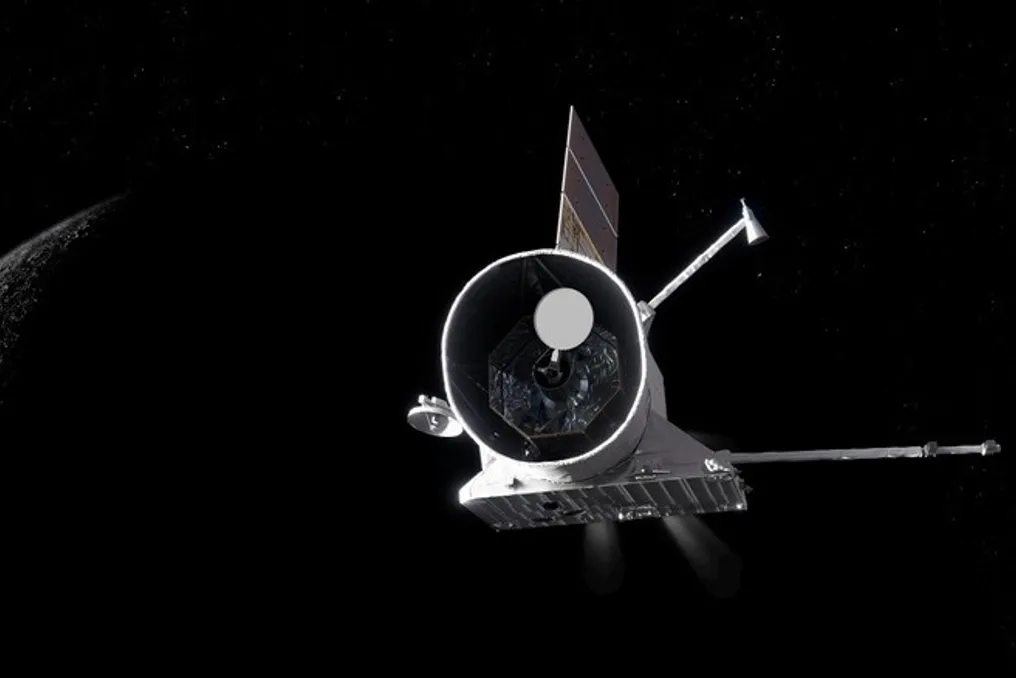
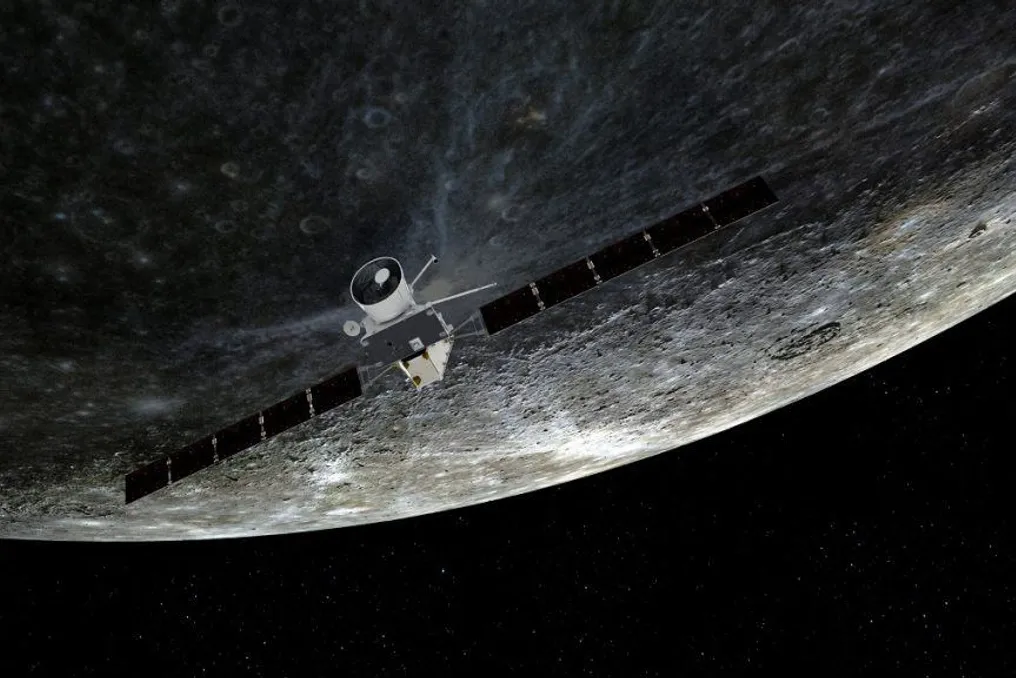
The BepiColombo mission has successfully entered orbit around Mercury, the planet closest to the Sun. The spacecraft has also reestablished communication with teams on Earth.
BepiColombo is a joint mission by the European Space Agency and the Japan Aerospace Exploration Agency. It consists of two probes: the European one, called Mercury Planetary Orbiter, and the Japanese one, known as Mio.
The journey began in October 2018 when the spacecraft were launched from French Guiana aboard the Ariane 5 rocket. Since then, they have completed one flyby of Earth, two flybys of Venus, and six flybys of Mercury before reaching their destination.
This long journey has an explanation. Earth is on average ten times closer to Mercury than to Jupiter, yet missions to these two planets can take a similar amount of time to reach scientific orbits.
The main challenge lies in the Sun's gravity. As the spacecraft approaches the star, it begins to accelerate, similar to a car descending a hill. If BepiColombo flew directly to Mercury, it would arrive too quickly and might simply pass by the planet without being able to enter orbit.
The spacecraft used the gravity of the planets to alter its trajectory and reduce energy.
The final phase of the flight began on September 3rd, when the module responsible for transporting the probes separated from them. Nevertheless, both spacecraft remain connected. Separation between them is planned for around December 9th.
After separation, each probe will head to its own orbit around Mercury. The Japanese probe Mio will have a rather elongated trajectory, passing over the planet's poles. The European MPO will also pass through the poles, but along a less elongated route.
Scientific work is scheduled to begin on April 6, 2027. From different positions, both probes will collect complementary information to help scientists better understand Mercury.
Among the main objectives of the mission are studying the planet's magnetic field and its origin, understanding how it interacts with the solar wind, and investigating Mercury's internal structure, including its large iron core.
BepiColombo will be the second and most complex mission ever to enter Mercury's orbit. Gaining more knowledge about our small neighbor will shed light on the history of the entire Solar System.