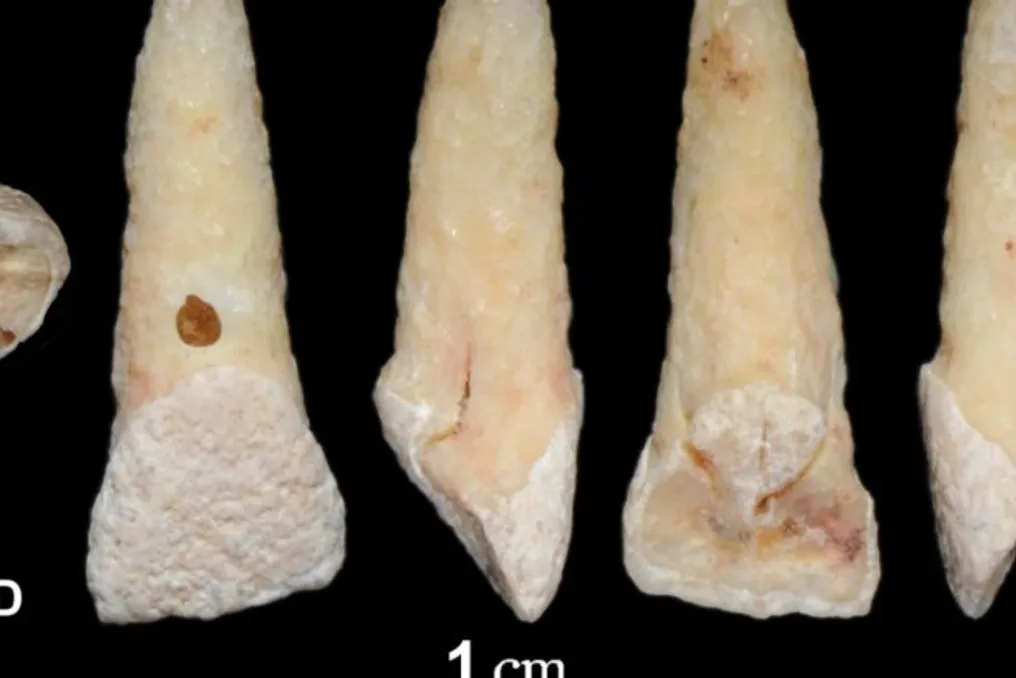
Human tooth from China dated to the peak of the last glaciation
Read more
N+1
nplus1.ru

Human tooth from China dated to the peak of the last glaciation

Chinese researchers studied an ancient tooth discovered by archaeologists at the Paleolithic site of Shizitan. According to their findings, this sample is a maxillary incisor of a modern anatomical type human that inhabited East Asia.

The scientists determined that the age of the tooth corresponds to the time of the peak of the last glaciation, presumably around 21–20 thousand years ago. Information about the discovery was presented in a scientific publication published in the American Journal of Biological Anthropology.
Similar stories

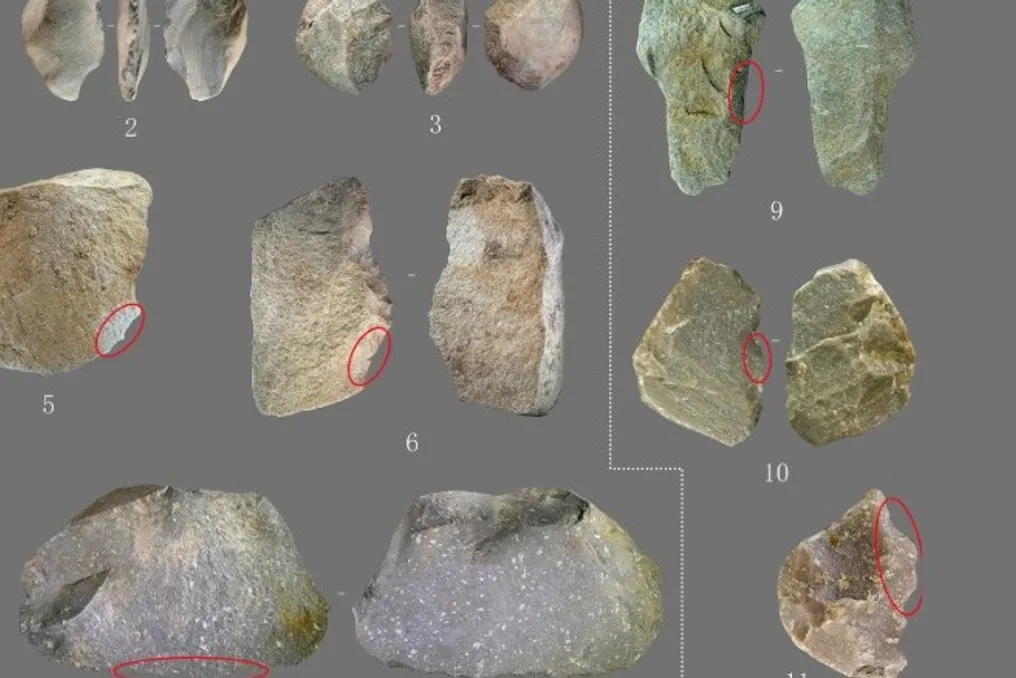
Study shows that Paleolithic inhabitants of China consumed wild grains
Read more
nplus1.ru

Study shows that Paleolithic inhabitants of China consumed wild grains

Chinese scientists analyzed plant microremains found on eleven ancient artifacts from the Paleolithic site of Wencuan. The results of this study, published in npj Heritage Science, indicate that about 70–40 thousand years ago, the population of this archaeological site actively processed plant food.

According to the analysis data, approximately half of the processed plants, judging by the number of starch granules found, consisted of various wild grains.

Archaic human teeth of late erectus discovered in Chinese tropical forest
Read more
nplus1.ru

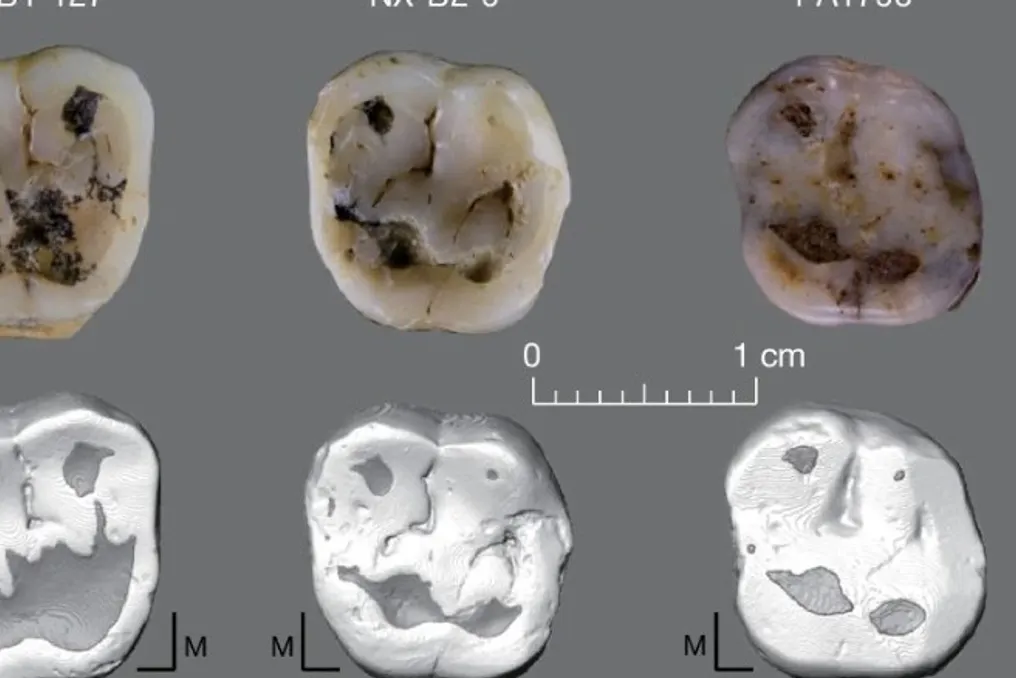
Archaic human teeth of late erectus discovered in Chinese tropical forest

A team of researchers presented a description of nine ancient human teeth found in two caves located in southern China. Analysis of these finds allowed them to determine that most of the samples belong to upright-walking humans who lived in the tropical forests of East Asia between 324,000 and 184,000 years ago.

Of the nine teeth examined, eight were identified as remains of upright-walking humans. However, one of the teeth belongs to a hominin whose species affiliation remains undetermined at this time.

The results of this study were published in the journal Nature in two separate articles.

Popular