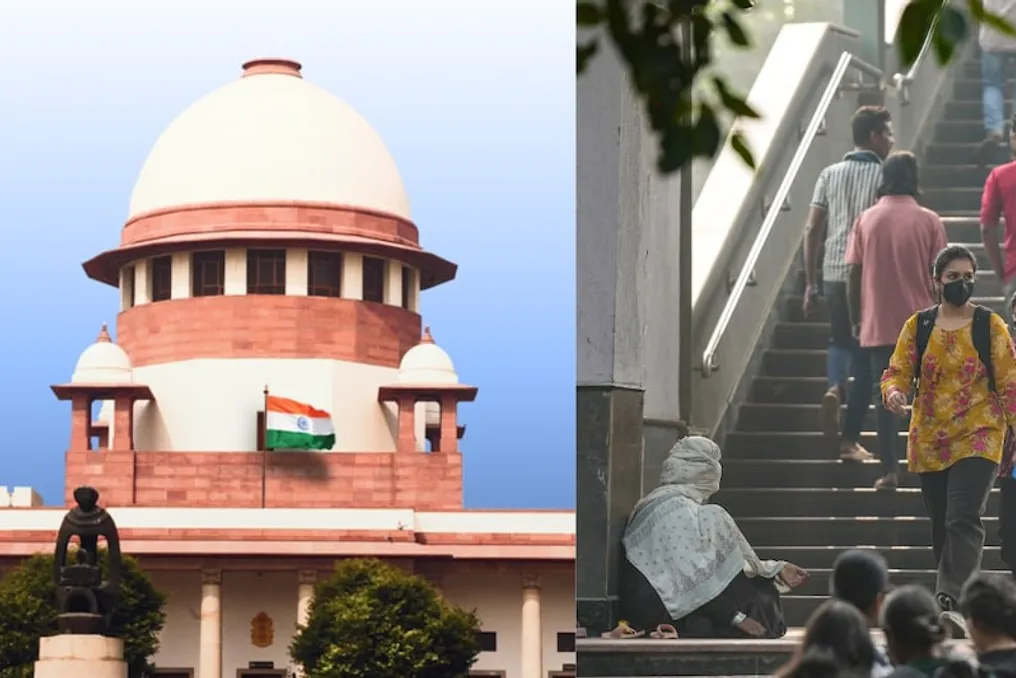
Supreme Court requests reports from states on air pollution control measures in Delhi
Read more
Aaj Tak
www.aajtak.in

Supreme Court requests reports from states on air pollution control measures in Delhi

During hearings on the issue of air pollution in Delhi, the Supreme Court raised questions regarding the measures taken to control pollution and their actual impact. The court demanded that the states provide detailed information on the work accomplished.

The Chief Justice of India (CJI) instructed all involved parties to submit complete information and detailed reports. The presence of the Public Prosecutors from Punjab, Haryana, Uttar Pradesh, Rajasthan, and Delhi was scheduled for the next session.

The court also commented on the report presented by the Municipal Corporation of Delhi (MCD). The CJI noted that the MCD presents a very favorable picture and recommended that it submit a corresponding written statement. The judicial body required all relevant departments to demonstrate the real state of affairs in pollution control, aiming to assess practical steps and their results, rather than relying solely on statements.

During the discussion on heavy vehicle movement in Delhi, an advocate reported that after receiving permission from the Supreme Court to introduce an Environmental Compensation Charge (ECC), the number of heavy trucks entering had decreased by approximately 30 percent. To this, the CJI responded that any large-scale restrictions could have far-reaching consequences. It is impossible to completely stop vehicle entry into Delhi because supplies of fresh vegetables, food, and other essential goods for residents must be ensured.

The CJI suggested that even if a complete ban on commercial truck entry is not possible this year, a concrete action plan should be developed over the next five years. He proposed considering alternative solutions to halt the entry of heavy commercial transport into Delhi, such as using battery-powered vehicles or establishing warehousing facilities at the borders of Delhi.

The court emphasized that the supply of necessary goods must not be interrupted, as imposing restrictions could seriously affect the population. Although Delhi experienced some relief from pollution this winter, the court noted that this was due to luck and the help of nature. Justices J.B. Pardiwala and Bagchi observed that people were happy during this winter, and the CJI agreed that this should be attributed to nature, as people's lungs got a rest. Nevertheless, the court hinted that further consideration of additional measures and guidelines for combating pollution would continue.

Questions were also raised about the role of neighboring states. The Supreme Court questioned the passive stance of border states regarding pollution control. The court will examine what additional steps the states and relevant agencies can take to reduce the pollution level in the Delhi-NCR region. Furthermore, the court decided to request detailed reports from all states on the status of affairs to gain a complete picture of pollution control efforts.

The issue of BS-4 standard vehicles was also addressed during the hearings. An advocate reported that owners of these vehicles are facing serious difficulties due to the cessation of Pollution Under Control (PUC) certificate issuance for BS-4 cars, which has led to some citizens being unable to obtain petrol. Justice Bagchi stated that the court's objective is to resolve the issue of allowing only BS-6 vehicles in Delhi, and if possible, such a system should be extended to the entire NCR. However, the CJI ordered to maintain the current situation (Status Quo) on this matter, stating that the court does not intend to interfere, and this system will remain in effect for at least one month.

In conclusion, the Supreme Court adjourned the hearing on the Delhi air pollution case. Detailed reports were requested from all relevant states and agencies. Punjab, Haryana, Uttar Pradesh, Rajasthan, and Delhi must provide information on pollution control measures, heavy transport movement, alternative schemes, and issues related to BS-4 vehicles. In the next session, the court will consider further directives based on the received reports.
Similar stories

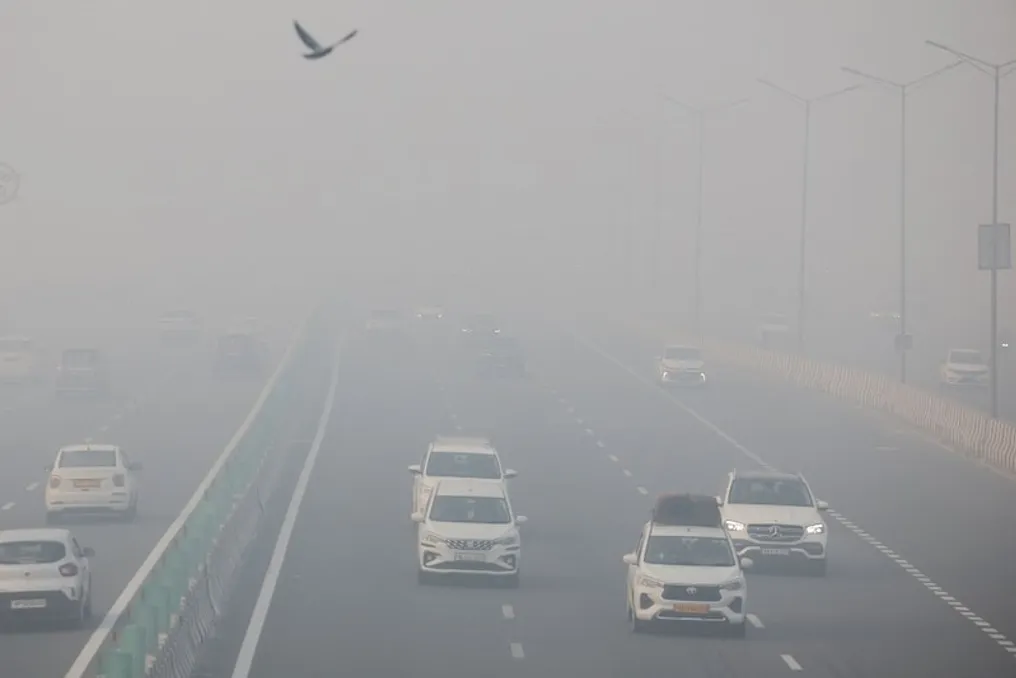
Government introduces ban on entry of certain vehicles into Delhi-NCR under GRAP-3 regime
Read more
www.aajtak.in

Government introduces ban on entry of certain vehicles into Delhi-NCR under GRAP-3 regime

Air quality continues to deteriorate in Delhi-NCR, with pollution levels not decreasing and reaching an AQI above 400 in some areas. Consequently, GRAP-3 restrictions have been implemented based on directives from the Central Government's Commission for Air Quality Management (CAQM). These measures prohibit the movement of vehicles that pollute the environment in the Delhi-NCR region.

Under GRAP-3, old and heavily polluting vehicles are banned from operating on the roads in Delhi, as well as in Noida, Greater Noida, Ghaziabad, Gurugram, and Faridabad.

According to GRAP-3 rules, gasoline vehicles of BS-3 standard and diesel vehicles of BS-4 standard are completely banned in Delhi. Similar restrictions apply to Noida and Greater Noida, where only certain types of vehicles are permitted to operate.

Some vehicle categories have been exempted from GRAP-3 restrictions. These include gasoline and diesel vehicles of BS-6 standard. Exemptions have also been granted to BS-4 gasoline vehicles, as well as BS-3 and BS-4 motorcycles and scooters. No ban has been imposed on transport running on compressed natural gas (CNG) or electric vehicles. Furthermore, privately modified vehicles for the use of persons with disabilities are also not subject to the ban.

Strict measures have been adopted under GRAP-3 regarding heavy and commercial transport. The entry of light and medium goods vehicles of BS-4 standard or lower from other states into Delhi has been prohibited. Additionally, further restrictions have been introduced for a number of BS-4 standard or lower diesel trucks, and some previously granted concessions for vehicles transporting essential goods have been revoked.

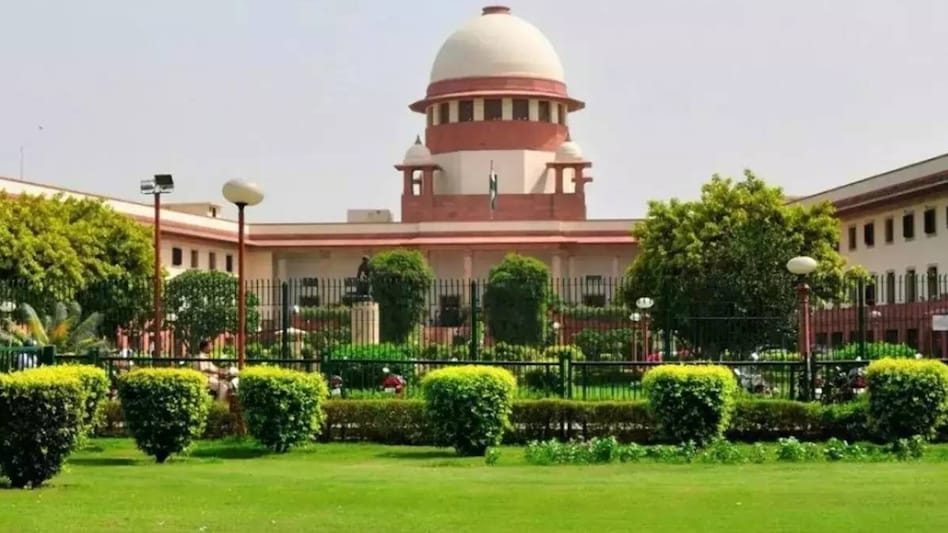
Supreme Court points to vehicular pollution problem in Delhi-NCR and demands action plan
Read more
timesofindia.indiatimes.com

Supreme Court points to vehicular pollution problem in Delhi-NCR and demands action plan

The Supreme Court directed Delhi and three neighboring states to provide detailed information on the measures taken to prevent the entry and operation of vehicles exceeding their service life or not meeting standards in the National Capital Region (NCR). The Court noted a sharp rise in transport emissions and called for immediate intervention.

The governments of Delhi, Uttar Pradesh, Haryana, and Rajasthan, along with the Municipal Corporation of Delhi and the Delhi Police, must submit their responses within two weeks. These responses must outline both existing control measures and additional short-term and long-term steps to reduce transport pollution levels.

The bench, comprising Chief Justice Surya Kant, along with judges Joymalya Bagchi and Vi Mohan, requested details on the legal framework regulating the entry and movement of commercial and private transport in Delhi-NCR, especially that arriving from neighboring states.

Authorities were required to explain how vehicles not conforming to established emission standards, including compliance with Pollution Under Control (PUC) certification requirements, are identified and controlled. The Court emphasized that Delhi-NCR bears a joint burden from transport originating within the region and transport entering from neighboring territories, noting the significant volume of commercial and private vehicles exacerbating pollution.

The judicial panel stated: 'There is no doubt that this issue requires urgent and immediate intervention.' Furthermore, the court requested details of actions taken against violations, including the number of vehicles checked, fined, denied entry, or subjected to other actions. The question was raised regarding how Delhi and the neighboring states coordinate their efforts to regulate inter-state transport movement and ensure emission standard compliance.

The Court ruled: 'The concerned authorities must also specify concrete measures proposed to strengthen existing enforcement mechanisms, along with a timeline for their implementation specifying deadlines.' The states were also tasked with responding to proposals from the Commission for Air Quality Management (CAQM) and amicus curiae, as well as outlining any additional measures they plan to adopt.

These directives were issued on November 6 during a hearing on air pollution in Delhi-NCR initiated by the court itself. The bench noted that while instances of stubble burning in Delhi, Uttar Pradesh, Haryana, and Rajasthan have significantly decreased, the data also indicates a sharp increase in problems related to transport emissions. The Court observed: 'While this development is undoubtedly commendable, the same data reveals an opposite and equally pressing problem, namely, a sharp increase in issues related to transport emissions.' The next hearing on this matter is scheduled for November 23.

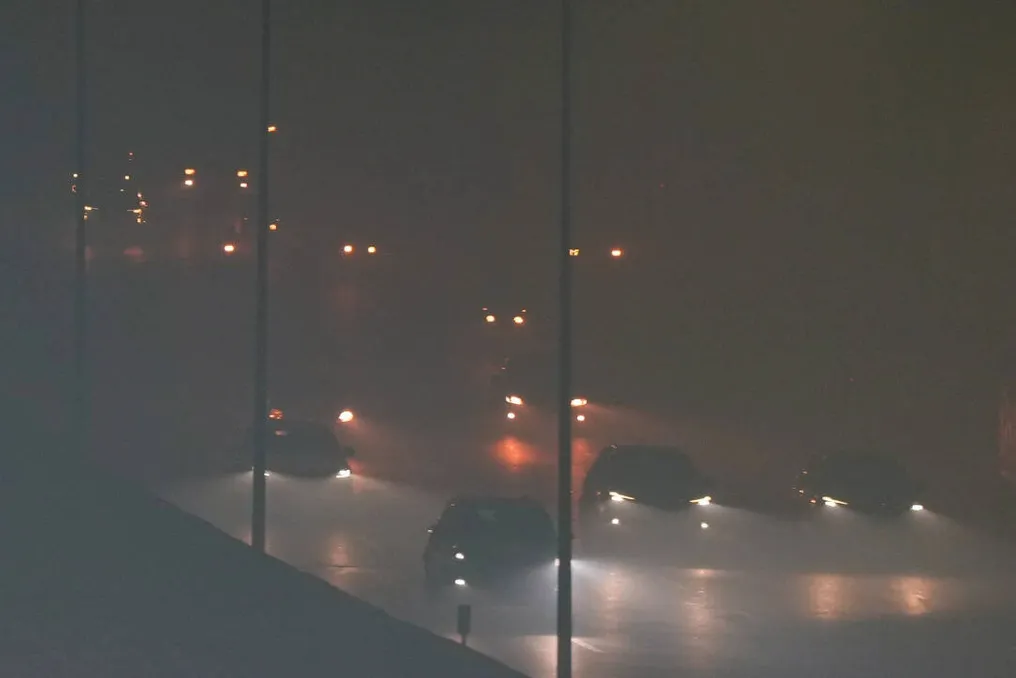
Supreme Court strengthens control over air pollution in Delhi-NCR, requests reports on transport inspections
Read more
www.aajtak.in

Supreme Court strengthens control over air pollution in Delhi-NCR, requests reports on transport inspections

The Supreme Court has adopted a strict stance regarding the growing air pollution in the Delhi-NCR region, particularly that caused by vehicle emissions. The court has demanded that the governments of Delhi, Haryana, Uttar Pradesh, and Rajasthan submit detailed action plans within two weeks.

The bench, comprising Chief Justice Suryakant, Justice Joymalya Bagchi, and Justice V. Mohan, instructed the government of Delhi, MCD, the Delhi Police Transport Department, as well as the governments of Haryana, Uttar Pradesh, and Rajasthan, to develop a comprehensive strategy for controlling traffic movement, ensuring emission standards compliance, and restricting polluting vehicles.

The court also requested information on the criteria and procedures for adhering to vehicle emission norms and standards, as well as details of the rules for issuing Pollution Under Control (PUC) certificates. Furthermore, information was sought regarding measures taken against vehicles that do not meet old and established standards. The court required the submission of complete statistics on the number of inspected vehicles and issued fines.

The states were given two weeks to submit their responses, and the next hearing on this matter is scheduled for November 23.

The situation with air pollution and Air Quality Index (AQI) in the capital city of Delhi remains serious. According to data from the Central Pollution Control Board (CPCB) as of the morning of November 10, many areas of the capital recorded an AQI above 300.

The worst situation was observed in Chandni Chowk, where the AQI reached 400. In Pusa, the AQI was 398. Other recorded values include 380 in the Commonwealth Olympic Complex, 384 in NSUT Jafpur, 373 in Tokra Garden, 372 on Matura Road, and 375 in Sirifort. Readings of 360 were also noted in Aya Nagar, 364 at Burari Crossing, and 361 at IIT Delhi.

Air quality in other parts of the capital was also extremely poor. In Shadipur, the AQI was 325, on Lodhi Road it was 324, in Burari it was 315, in Jadroda Kalan it was 320, in Mandir Marg it was 307, and in Bavana it was 328. An AQI of 296 was registered in Tikri Kalan, and 295 in Vasundhara Enclave.

According to CPCB standards, an AQI level from 301 to 400 is classified as 'very poor', while values from 401 to 500 are considered 'hazardous'. Consequently, in most monitoring points in Delhi, including Chandni Chowk, the air quality was categorized as 'very poor'.

Popular