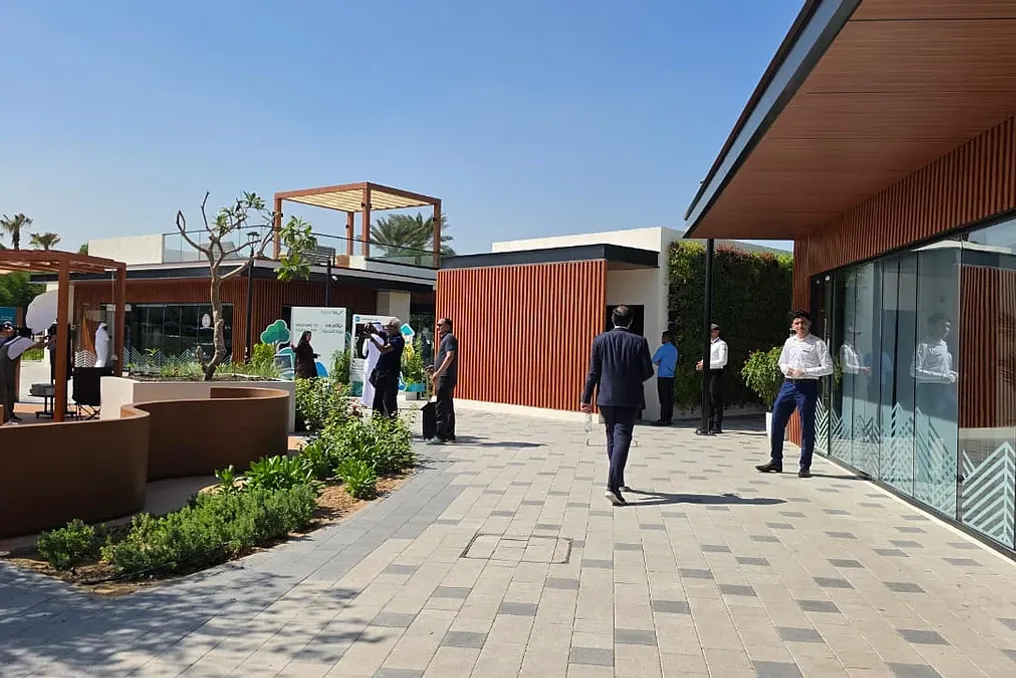
The Dubai Municipality has opened the Ghaddir Al Tair park, spanning 9,600 square meters, located near Al Quoz and Meydan. This park is the first of 35 new generation public parks planned across the emirate to make sports and public facilities more accessible to residents.
The creation of the park reflects a new approach to public spaces in neighborhoods and aligns with the goals of the Dubai Parks and Landscaping Strategy 2040, as well as the Dubai Urban Plan 2040, which aim to shape a human-centric urban environment that encourages an active lifestyle and strengthens community ties.
The opening ceremony was attended by Marwan Ahmed bin Galit, Director General of the Dubai Municipality, along with senior municipal executives and officials, as well as residents of Ghaddir Al Tair and their families, who toured the park's facilities and participated in recreational and community events.
This new generation of public parks maintains the traditional function of recreational areas but introduces a broader concept that integrates sports, leisure, and community activities directly within residential quarters. These parks are designed to be a natural extension of the neighborhood, serving residents of all ages and interests.
Ghaddir Al Tair Park is conceived so that residents of surrounding areas can reach it within five minutes, thereby encouraging walking, physical activity, and increased time spent outdoors. Its open, unfenced design ensures a direct connection with adjacent residential zones.
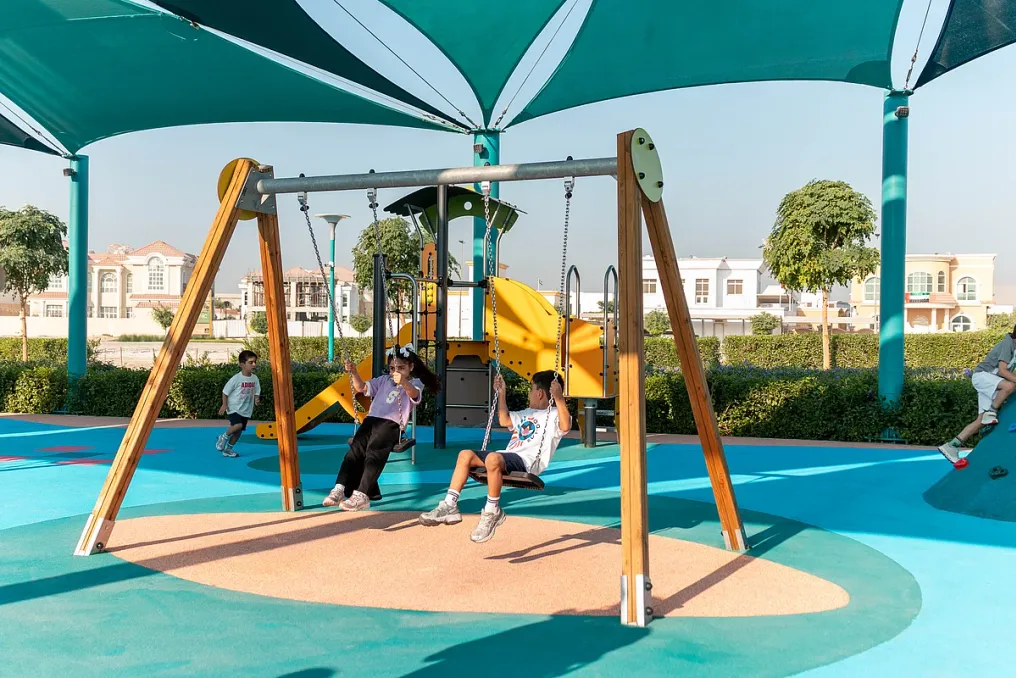
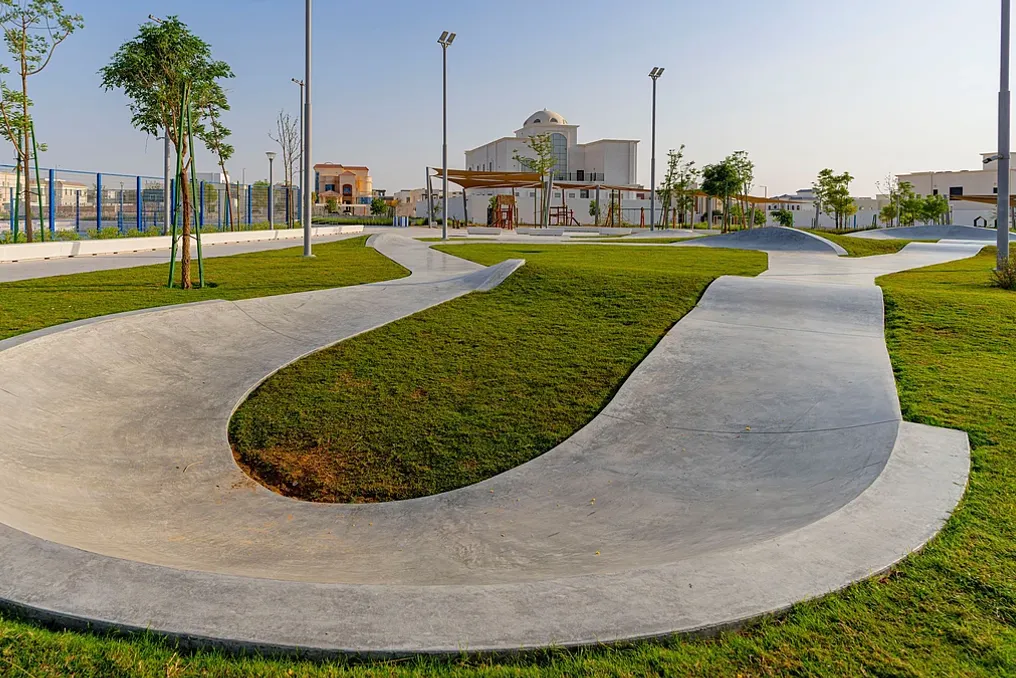
The park offers diverse amenities for the whole family, including two children's play areas—one for children aged two to five and another for children aged six to twelve—as well as a running track and outdoor fitness equipment. A multi-purpose hall is soon planned for opening, which will provide additional space for community events and programs.
At the center of the park is a dedicated public zone intended for hosting events, meetings, and activities organized by local residents. This flexible space promotes daily social interaction and serves as a venue for neighborhood celebrations and community-initiated programs. In addition to recreation, the park creates opportunities for entrepreneurs and investors to introduce innovative services and experiences that meet the needs of residents and visitors.
Bader Anwahi, Director General of the Public Facilities Agency at the Dubai Municipality, noted that with the opening of Ghaddir Al Tair Park, the first of 35 new public parks, they are implementing a broader approach to developing public spaces in Dubai. The goal is to create places that go beyond traditional recreation and respond to the daily needs and interests of the served communities.
He emphasized that by designing parks that are open, accessible, and closely connected to residential areas, they are transforming them into a natural extension of neighborhood life. These spaces will provide more opportunities for physical activity, relaxation, and social interaction, prompting residents to actively participate in shaping the experience and events in their communities.
Anwahi added that their strategy for developing public parks extends beyond simply increasing the number of facilities in Dubai. They are also focused on enhancing the value of these spaces for residents through thoughtful design, diverse recreational experiences, community-organized events, and private sector participation.
Through this new generation of public parks, they aim to strengthen neighborly bonds, promote a healthier and more active lifestyle, and contribute to making Dubai a more attractive, sustainable, and livable city.
The project also supports the goals of the Blue and Green Spaces Roadmap 2030, launched by the Dubai Municipality as part of its comprehensive strategic vision for developing the emirate's blue and green areas. This roadmap includes projects valued at over 4 billion dirhams, including the addition of more than 120 parks and 200 sports fields and recreational areas integrated into Dubai's green network over a five-year period.
The Dubai Municipality intends to make the new public parks year-round destinations through a diverse program of events and experiences tailored to different age groups and interests, including seasonal programs designed to encourage repeat visits.
Ecological sustainability is prioritized in the design and operation of the new parks. Measures are being implemented to improve biodiversity, support climate change adaptation, and increase resource efficiency. These measures include extensive tree planting, using treated wastewater for irrigation, and applying renewable energy solutions, while artificial intelligence and robotics will be used to enhance operational efficiency and optimize resource consumption.
The remaining parks under the project are scheduled to open between December 2026 and April 2027.