Creating a product is no longer the main obstacle for many aspiring entrepreneurs. Thanks to artificial intelligence tools, it has become easier to develop applications, test ideas, and bring solutions to market; however, attracting users and building a sustainable business remain complex tasks. As more founders gain access to similar technologies, the importance of understanding the market, finding suitable distribution channels, and securing necessary funding increases.
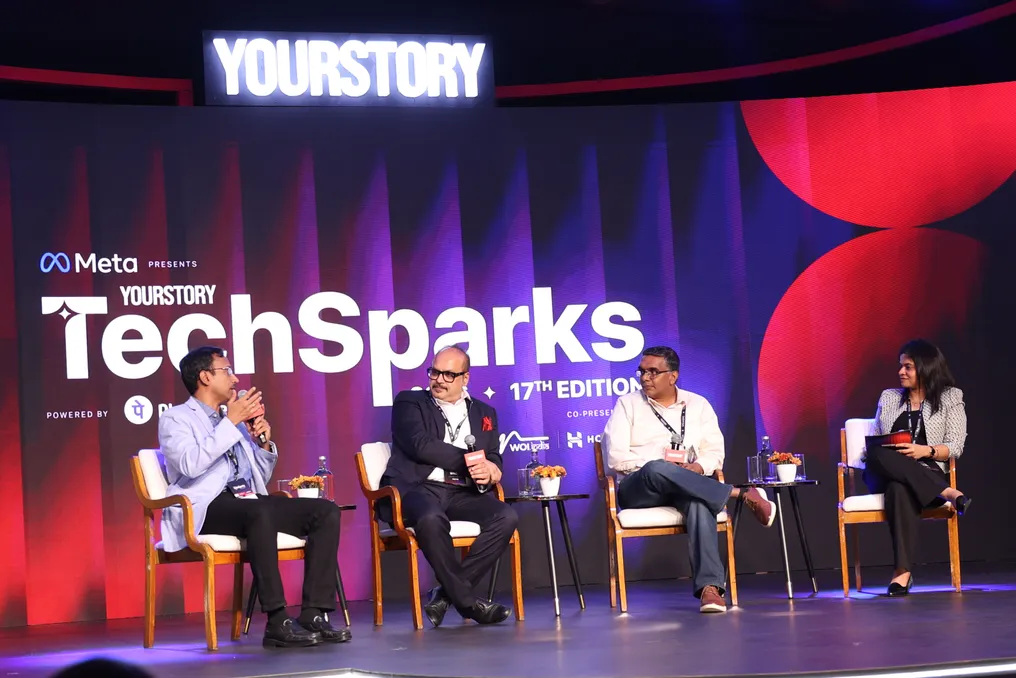
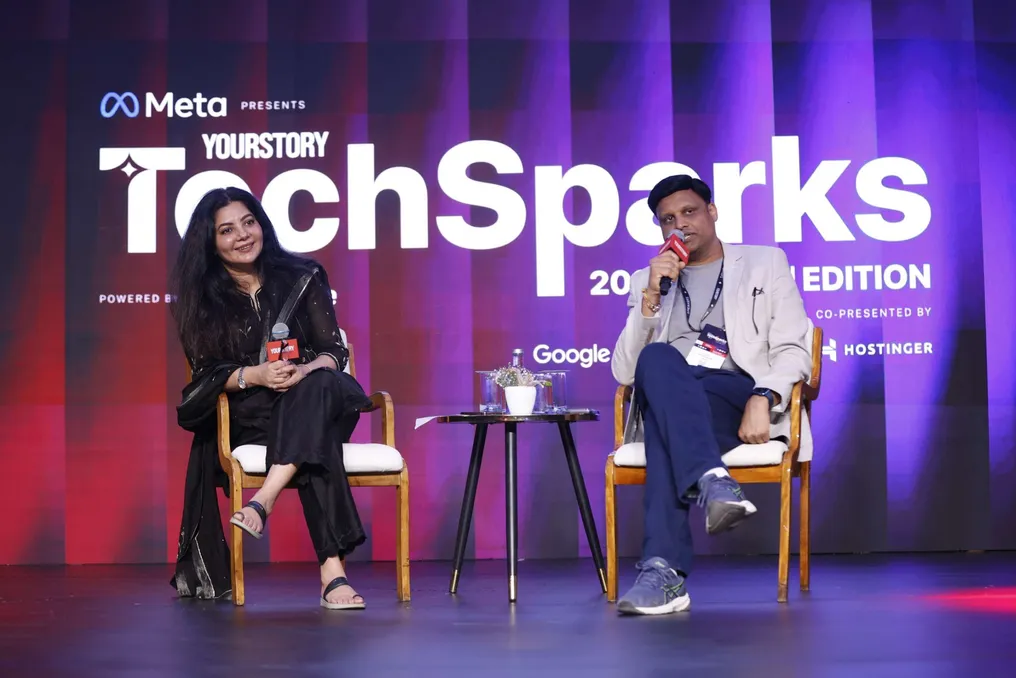
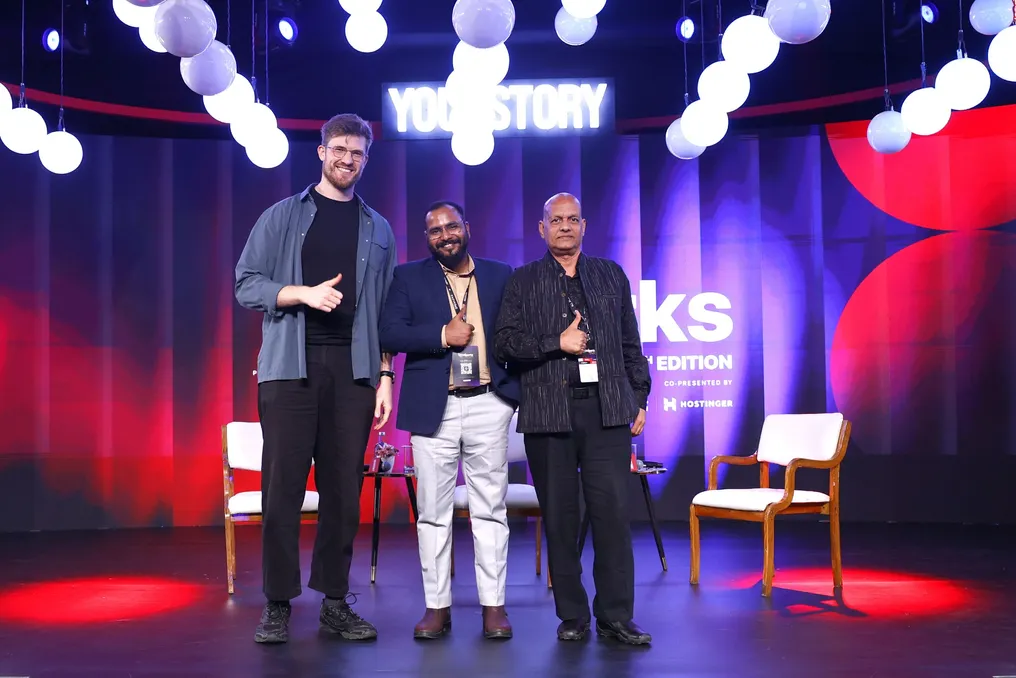
At the TechSparks 2026 event, Lucas Jabloncsak, Head of WebPro at Hostinger, and Amar Dixit, CEO of WOI India, participated in a panel discussion alongside Madanmohan Rao, Director of Research at YourStory. The topic discussed was 'The New Startup Infrastructure: Expanding India's Builder Economy,' which examined how to build a globally significant company from anywhere in India and how to transform technological access into sustainable entrepreneurship.
According to Jabloncsak, simple access to technology is not enough to gain a competitive advantage. While AI helps founders accelerate development, it cannot replace their deep understanding of the target audience. He cited the example of two entrepreneurs working on a solution for the dental sector: even if one possesses superior technical knowledge, the other might create a more relevant product by studying dentists, their clients, and the problems they face in a specific market.
Jabloncsak emphasized that the key differentiator for the modern entrepreneur is interaction with users, a deep understanding of their needs, and the ability to acquire the first user faster than others. Thus, identifying a real customer need remains a central element of running a business, regardless of the level of available tool development.
Understanding the customer is only part of the challenge. Founders must also solve the problem of reaching potential buyers and convincing them to choose their product over competitors' offerings.
Dixit noted that developing an application or finding a solution is becoming easier, but testing it in the market and identifying potential buyers require an entirely different set of competencies. He stated that 'anyone can create an app, anyone can come up with a solution,' adding that having an established distribution base significantly simplifies this path. In an environment of increasing technological accessibility, the ability to find and retain customers determines whether a product becomes a viable business.
Dixit believes that entrepreneurs need more than just funding to turn their ideas into a business. At WOI India, the focus is on creating an integrated ecosystem that combines capital, education, and services to help founders manage the practical requirements of running a company—from legal and financial matters to marketing, sales, and fundraising.
The organization manages a startup park in Koramangala, Bengaluru, and plans to create an environment where founders can receive resources and support in one place. Dixit opined that India needs more such ecosystems in second and third urbanized zones, rather than concentrating entrepreneurial opportunities in Bengaluru, Mumbai, and Gurugram. The goal is to allow people to build companies from different parts of the country without forcing them to relocate to an established startup hub to access necessary networks and services.
This broader approach also requires rethinking the startup financing model. While venture capital has fueled rapid company growth, Dixit pointed out that this model is not suitable for all types of businesses. India has diverse markets and enterprises with different growth trajectories, and not all founders aim to create unicorns or eventually list their companies on the stock market. Some enterprises can generate revenue, create jobs, and contribute to the economy without following this path.
Dixit called for additional financing options, including family offices, high-net-worth individuals, and investors who can offer strategic support alongside capital. He also discussed the potential of funds aiming for moderate returns in shorter periods than traditional venture capital investments. Such models could help entrepreneurs whose businesses do not meet conventional venture capital expectations find the necessary support for growth.
Jabloncsak spoke about the potential of agentic AI, where systems use tools, evaluate results, and adapt based on feedback. Dixit pointed to physical AI as another area attracting global investment. He also called for an increase in agritech startups—a sector in which WOI India is interested in investing, given the importance of agriculture to India.
For novice founders, Jabloncsak offered simple advice: test the ideas you are most afraid will fail. Early feedback can help founders understand what works and what needs changing. He advised: 'Be very open and allow yourself to fail. That is the most important thing I can recommend to all of you.'
Dixit's advice was to play the long game. Building a company requires perseverance, and founders must be prepared for a journey that may not yield immediate results.