Eurasian otters return to Kashmir after a period of fur hunting, according to a new study
Read more
The Better India
thebetterindia.com

Eurasian otters return to Kashmir after a period of fur hunting, according to a new study

After being a rare sight in the rivers of Kashmir for a long time, the Eurasian otter (Lutra lutra) is once again appearing in the region's waterways. Previously, the otter population sharply declined due to poaching driven by demand for fur, habitat destruction, and water pollution.

A study published in the journal Biological Diversity on October 23, 2026, titled 'Re-Emergence of Eurasian Otter (Lutra lutra) in the Valley of Kashmir, India: A Conservation Triumph and a Challenge,' documents recent observations and field evidence of the animal's presence in the valley. The authors of the work are Irfan Khurshid Shah and Sohail Ahmad Wagay.

The researchers identified historical fur hunting, habitat degradation, and water pollution as the main factors leading to the species' decline. Srinagar previously served as a trade center for the valley's skins and furs, but even with wildlife protection measures introduced since the late 1970s, the otter population had already significantly decreased.

The return was noticed in 2025

According to the October 2026 report, the first widely publicized public evidence of the otters' return appeared in June 2025 when a video recording of the animal in a tributary of the Lidder River went viral. Initially, viewers mistook it for a crocodile, but professional material processing allowed it to be identified as a Eurasian otter, a species unknown to many residents.

Following this video, camera traps were set up along the Rambiyar and Lidder tributaries in July 2025. Although they did not capture the animals themselves, researchers photographed otter excrement (scat), which helps confirm the animal's presence in the area. Later, another video emerged from the Ganderbal area, showing an otter feeding on fish in the Sindh stream, a tributary of the Jhelum. These recordings together provided evidence of the animal's presence in different parts of the valley.

These findings are also based on earlier field research. A separate study published in the IUCN/SSC Otter Specialist Group Bulletin in January 2026 documented the presence of Eurasian otters in the Hirpora reserve, in the Rambiyar river basin in Shopian district. Researchers from the Wildlife Trust of India, including Tanushri Srivastava, Manvi Singh, Muniba Nazir, and Ishwara Narayana, together with Sohail Ahmad Wagay from the Jammu and Kashmir Wildlife Department, recorded the first direct observation during fieldwork in March 2024. They then conducted a systematic survey from April to June 2025 on a 12-kilometer stretch of the river.

The team registered 21 signs of otter presence, including one direct sighting, scat, paw prints, tracks, fish remains, and photos from camera traps. The study showed an average encounter rate of 0.34 signs per kilometer and a camera trap capture rate of 4.31 images per 100 nights of trapping. Nevertheless, none of the studies determine the total number of otters currently living in the Kashmir valley.

Significance of the return for freshwater ecosystems

The Eurasian otter is classified as 'Endangered' on the International Union for Conservation of Nature (IUCN) Red List. This semi-aquatic mammal inhabits rivers, streams, and other freshwater environments. As an apex predator, it helps regulate prey populations and is considered an indicator of freshwater ecosystem health.

Another conclusion from the Hirpora study emphasizes the importance of involving local communities in conservation efforts. Only 15% of respondents recognized the Eurasian otter, although 92% supported its conservation. More than half of the respondents reported a decline in fish populations in the region, indicating potential ecological pressure affecting otter habitats.

What might threaten their return?

The October study warns that conditions in Kashmir's waterways have changed significantly since the otters were frequently observed. The expansion of urban development onto rice fields, the conversion of agricultural land into apple orchards, and construction along riverbanks have led to the reduction and fragmentation of potential habitats. The reduction of traditional irrigation canals has further impacted the network of watercourses available to the animals.

Researchers also point to the pollution of rivers with heavy metals, pesticides, microplastics, and plastic waste as potential threats. Destructive fishing methods using chemicals and electric currents, human disturbance, and the growing presence of stray dogs can further affect their survival.

Climate change presents another problem. Changes in water levels, floods, landslides, and prolonged droughts can damage or expose sheltered areas along riverbanks, known as holts, where otters rest and raise young. Researchers also note the possibility of conflicts with expanding trout farms, which are becoming an increasingly important source of livelihood in the valley.

Where should conservation efforts focus

The October 2026 paper recommends developing a coordinated conservation plan involving researchers, environmental agencies, and conservation organizations. This plan should include the protection and improvement of river habitats, combating pollution, preventing hunting, and monitoring the species in recently documented locations.

There is also a call for public awareness campaigns to dispel misconceptions about otters. Researchers recommend educational initiatives in schools, distribution of information materials in local languages, and work in tourist areas to help residents recognize the species and understand its behavior. The authors note that globally, encounters with otters rarely result in harm to humans, and most interactions are neutral.

Thus, better public understanding is a vital part of ensuring the animals' ability to exist in water bodies shared with humans. Currently, recent records confirm the presence of the Eurasian otter in Kashmir's river systems, not a confirmed population recovery. Continuous monitoring and protection of these freshwater habitats are necessary to determine whether the species can establish itself in the valley.
Similar stories

Migratory Spoon-billed Sandpiper Travels from Russia to the Bengal Coast
Read more
thebetterindia.com

Migratory Spoon-billed Sandpiper Travels from Russia to the Bengal Coast

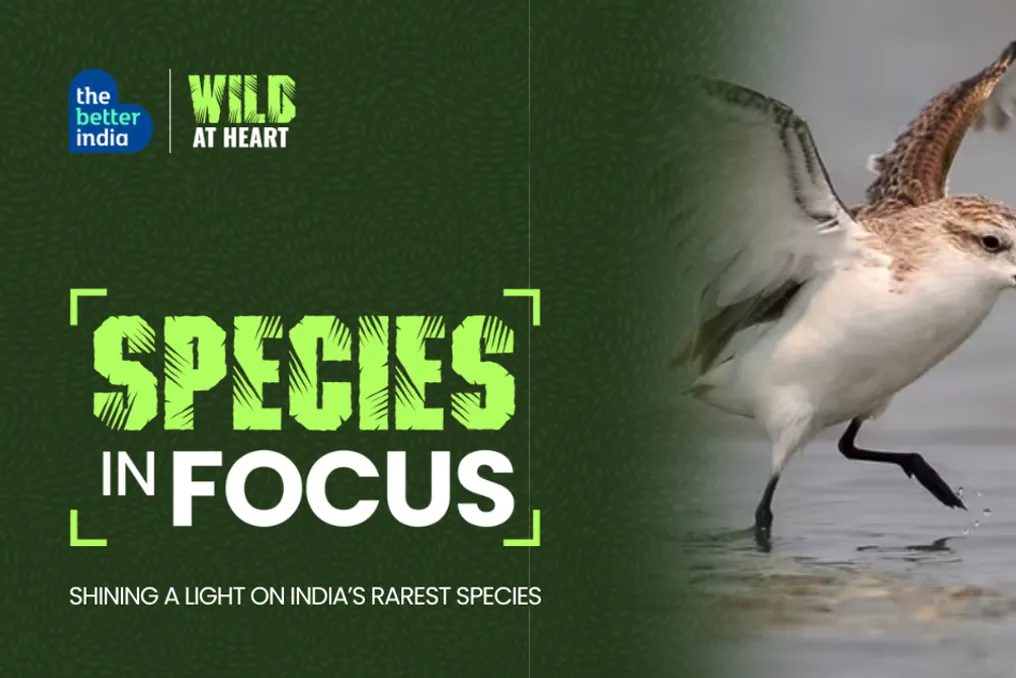
The 'Species in Focus' series by The Better India highlights a rare and endangered bird—the spoon-billed sandpiper—whose journey began thousands of kilometers from the observation site.

The bird was photographed at Kargil Beach in Bakkhali, South 24 Parganas, on October 24, 2026. The following day, it was spotted again at neighboring Patibunia Beach. According to The Times of India, this bird was marked in the Chukotka region of Russia on July 6, 2025. Its appearance on the Bengal coast, approximately 8,000 km from the marking site, demonstrates the movements of one of the world's most vulnerable migratory shorebird species.

For birdwatchers, documenting the same individual in different locations is an important record. The survival of the spoon-billed sandpiper depends on a chain of coastal habitats stretching from the Russian Far East to South and Southeast Asia. Bengal is part of this route, and protecting its mudflats is crucial far beyond the state's coastline.

Marking Linking Two Coasts

The movements of this bird along the Bengal coast were documented over several months. On March 29, 2026, birdwatcher Sandip Das, founder of the Bird Lovers Society in Bengal, photographed the spoon-billed sandpiper at Patibunia Beach. Observers Sumya Aon and Kaustav Khan were also present. Two days later, Jayanta Mann photographed another specimen with a light green tag attached to its right leg.

The marked bird continued to appear at Patibunia until June 1. When it reappeared at Kargil Beach in October, the '2K' marking helped observers confirm that it was the same individual. According to Das, the bird may have traveled to feeding grounds in Bangladesh before returning to Bengal. He also told The Times of India that returning to its breeding grounds in Russia is unlikely, as the area is already occupied by breeding pairs, which could potentially lead to conflict.

Thanks to these observations, three spoon-billed sandpipers have now been photographed in Bengal: one in 2018 and two in 2026. However, the significance of this record is not just the rare bird visiting the state; it provides evidence of how individual birds move between habitats, helping researchers understand which coastal areas they rely on.

The Significance of the Spoon-shaped Bill

Unlike most sandpipers, which have relatively straight and narrow bills, this species possesses a characteristic spoon-shaped tip that helps it forage for small food items in wet mud. These birds feed on small invertebrates and other organisms found in tidal flats. Such habitats provide food and resting spots during migration, helping them build up energy to continue their journey.

The species is classified as Critically Endangered on the IUCN Red List. Its global wild population is estimated to be fewer than 500 individuals. The problem is that feeding sites are not interchangeable. A bird that loses access to one vital stop may not find another suitable habitat in time.

When a wetland disappears, the route is disrupted. The spoon-billed sandpiper migrates along the East Asian–Australasian Flyway—a network of routes connecting northern breeding grounds with southern wintering grounds. One of the most critical ecological bottlenecks is the Yellow Sea, located between China and the Korean Peninsula. Its tidal flats serve as feeding and resting areas for migratory shorebirds.

However, coastline restoration, infrastructure development, hunting, and disturbance have led to the reduction or degradation of many of these habitats. In June 2026, the Chinese daily Sixth Tone reported how public pressure helped halt the construction of a highway in China's Guangxi Zhuang Autonomous Region. The 47 km project, valued at 5.1 billion yuan (approximately 710 million US dollars), threatened mudflats used by nearly 20,000 waterbirds of 46 species. The environmental assessment identified over 24 hectares of important spoon-billed sandpiper habitats, including mangrove wetlands. Following citizen campaigns and complaints to authorities, central Chinese environmental agencies suspended the project on May 25, stating that its environmental assessment lacked sufficient scientific basis. Alternative routes were then proposed for evaluation.

Can Conservation Give the Species a Chance?

One conservation measure used in Russia is the 'headstarting' method. In this method, eggs are collected in the wild, incubated, and hatched under human supervision. Chicks are raised until they reach an age when they can be released into the natural environment. According to the Wildfowl and Wetlands Trust (WWT), 236 'head-started' spoon-billed sandpipers have been released so far, of which 19 subsequently returned to breed in Russia.

This method addresses one of the species' biggest problems: low chick survival rates in the wild. WWT estimates that only about three out of every twenty naturally laid eggs result in chicks surviving to adulthood, compared to 15 out of every twenty among 'head-started' chicks. Nevertheless, reproductive intervention cannot replace the need to protect the wetlands upon which these birds depend.

What Do the Observations in Bengal Mean?

Conservation activities are also underway locally in Bakkhali. Birdwatchers conduct monthly surveys on Patibunia and Kargil beaches to monitor sandpipers and other coastal birds. The Forest Department of South 24 Parganas has installed information boards asking visitors and local residents not to disturb wildlife and has increased patrols.

The appearance of the '2K' bird itself does not mean that the spoon-billed sandpiper population is recovering. However, it provides another record of the link between the Bengal coast and distant breeding and feeding grounds. Although the bird may only be a few centimeters long, its journey connects conservation efforts across continents. Whether it can make this journey again will partly depend on whether places like Bakkhali remain safe enough for its stopover, feeding, and onward movement.

33 Sundarbans residents trained to prevent tiger encounters
Read more
thebetterindia.com

33 Sundarbans residents trained to prevent tiger encounters

In December 2023, a tiger crossed the Makri River and entered the mangrove forest near a village in Kultali, Sundarbans, West Bengal. For local residents, this posed a serious security threat, and the tiger itself was in danger. Over three days, forestry staff, wildlife experts, and local volunteers worked together to return the animal to its natural habitat. They tracked its movements, installed nylon nets, and carefully guided it back into the forest. On December 11, the tiger managed to swim across the river on its own and returned to the mangroves without needing capture.

This successful incident demonstrated the importance of trained local volunteers when human and wildlife come into contact. Consequently, an increasing number of Sundarbans residents are now acquiring skills to assist in such situations.

On October 24, 2026, the Wildlife Trust of India (WTI) conducted training for 33 new local volunteers, including 10 women, from the Kultali block in the South 24 Parganas district. Their task is extremely important: they help protect their neighbors while ensuring the safe return of tigers to the forest if they enter a village.

What happens when a tiger enters a village?

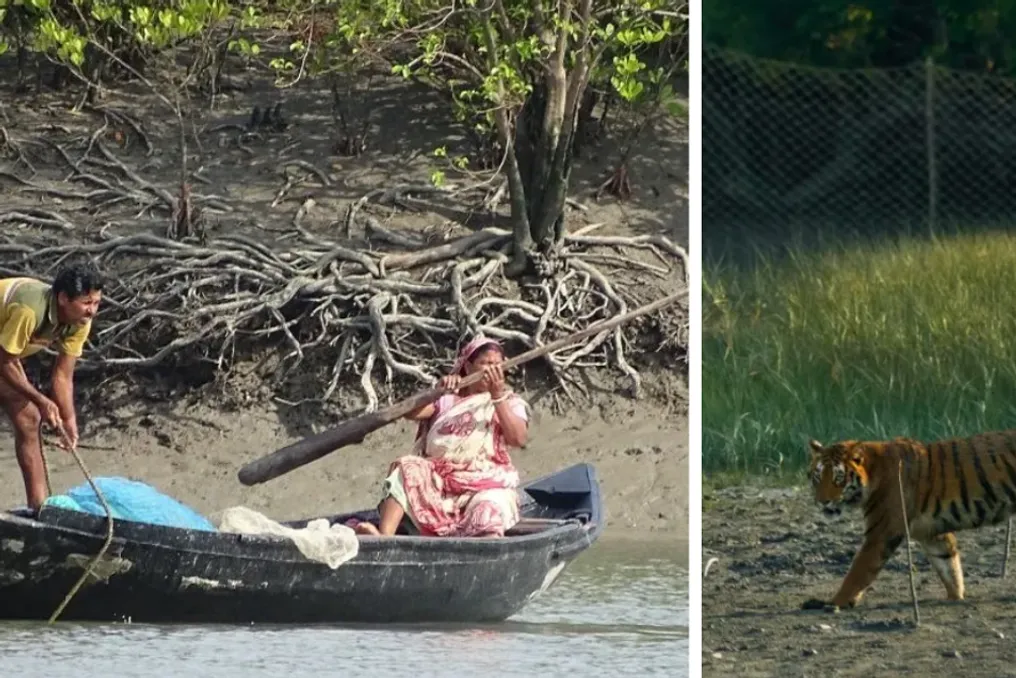
For people living along the Sundarbans forests, encounters with tigers present a real problem. Many residents depend on fishing, crab collecting, and other forest-related activities for their livelihood. Sometimes tigers cross rivers and enter human settlements. In such cases, frightened residents might surround the animal or try to drive it away, which can worsen an already dangerous situation due to confusion and panic.

This is where Primary Response Teams (PRTs) come into play. These teams consist of trained local volunteers who are the first point of contact when wildlife invades a settlement. Their duties include notifying forestry staff, sharing information about the animal's movements, helping to manage crowds, and informing residents about precautions. They work in collaboration with the Forest Department and trained wildlife rescue teams, rather than attempting dangerous rescues themselves. Because they are part of these communities, they have excellent knowledge of the local landscape and understand the concerns of the local population.

Training 33 residents in safe response

The latest training took place at Sundarban Prakritishala, an educational center affiliated with Ambikanagar Haripriya High School. The webinar was conducted by Dr. Abhishek Ghoshal and Prosenjit Shil from WTI, with technical support from biologist Samrat Paul. The seminar focused on studying tiger behavior and safe response when an animal invades a populated area. Participants learned about tiger movement patterns, methods for monitoring their presence, and how human reactions can influence the outcome of an encounter.

The sessions also addressed misconceptions about tigers. Dr. Ghoshal explained that some residents believe all Sundarbans tigers intentionally hunt humans or that their saliva is poisonous. Such fears can affect people's behavior when an animal approaches a settlement. Understanding the tiger's natural behavior helps volunteers explain the situation to neighbors and prevent actions that could endanger people or the animal.

There are studies confirming the importance of such precautions. A 2022 study examining 118 tiger attacks on humans near the Dudhwa and Pilibhit sanctuaries in Uttar Pradesh found that 88.1% of them were accidental or defensive, not intentional hunts. Although these findings were made in a different landscape, they demonstrate why preventing sudden encounters and understanding animal behavior is crucial. For the volunteers from Kultali, the training also included learning how to communicate with residents, manage complex situations, and restore trust after an incident.

Can technology help stop tigers from entering villages? In addition to studying response methods, volunteers were introduced to tools capable of warning about approaching wildlife. These include camera traps, drones, and a device called the Animal Intrusion Detection and Repellent System (ANIDERS). ANIDERS can be envisioned as a modern, sensor-equipped decoy. When an animal approaches, its sensors can activate bright lights and sounds designed to deter the animal without causing harm. Cameras can also help identify animal movements and send alerts. In 2026, WTI and the local Forest Department began piloting these devices in high-risk tiger zones in the Sundarbans. However, the technology has limitations: each device can only monitor a limited area, and the region's saline conditions can damage the equipment over time. Therefore, it requires maintenance and cannot replace trained people on the ground. The goal is to give communities another way to detect danger early, alongside the necessary knowledge for an adequate response.

A Network of Caring Neighbors

The October seminar is a continuation of years of work in Kultali. Since 2018–2019, WTI has established a network of 98 Primary Response Team members, including 18 women, as part of its human-tiger coexistence project. These volunteers assist the Forest Department in managing tiger-related emergencies and monitor approximately 24 km of protective nylon fencing along the eastern coast of Kultali. This fence reduces the likelihood of tigers entering settlements, while volunteers help identify issues and support the response when an animal crosses the village boundary.

The latest group of trainees, which includes 10 women, further increases the number of women participating in these community efforts. This initiative is supported by the International Union for Conservation of Nature (IUCN) through its Tiger Habitat Conservation Program, as well as the West Bengal Forest Department. For local residents, the value of this program lies in having people nearby who understand the risks, know whom to contact, and can help others act safely.

Experienced volunteer Ajay Kumar Das, known as Bag Bondhu, or Tiger Friend, describes his role as protecting the tigers and mangrove forests of the Sundarbans, being 'equally responsible for the safety of residents when a tiger enters the village.' This responsibility was evident in December 2023 when local volunteers helped guide the tiger back across the river. It is this responsibility that the 33 newly trained volunteers are ready to take on.

In the Sundarbans, where human livelihoods intersect with tiger habitats, timely warnings, informed neighbors, and the correct response can matter for both human and animal life.

South African Coastal Otters: A Description of These Stealthy Mammals Living Between Land and Sea
Read more
getaway.co.za

South African Coastal Otters: A Description of These Stealthy Mammals Living Between Land and Sea

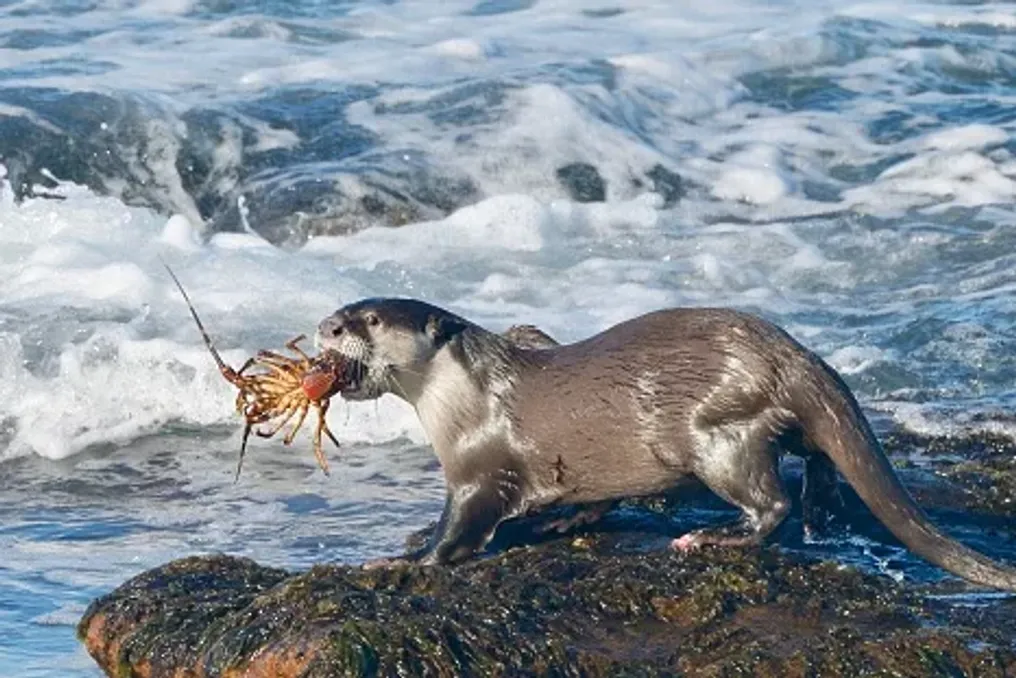
Along the rugged coastline of South Africa, where rocky shoals meet the restless ocean, a stealthy mammal moves quietly. The Cape Clawless Otter, often underestimated resident of the country's coastal ecosystems, feels equally comfortable hunting crabs among the rocks and sheltering in freshwater streams and protected riverbanks.

Thanks to sensitive whiskers, surprisingly agile paws, and dense fur adapted for aquatic life, these peculiar animals have developed unique survival methods along the coast. However, as coastal development expands and pressure on natural habitats intensifies, the spaces they depend on are becoming increasingly vulnerable.

The Cape Clawless Otter (Aonyx capensis) is one of the most widespread otter species in Africa. Despite its name, it is not confined to the Cape, being found in many parts of sub-Saharan Africa and throughout South Africa, especially along the eastern and southern coasts.

In South Africa, this species is also found in some parts of the west coast, with recorded sightings extending to Langebaan, the Berg River estuary, and Sedderberg. Its range extends beyond the coastline into rivers, wetlands, reservoirs, and other freshwater habitats.

Unlike marine mammals that spend their entire lives in the ocean, the Cape Clawless Otter depends on a combination of aquatic and terrestrial environments. It requires access to fresh water, suitable shelter, and a sufficient amount of food, making healthy connections between rivers, wetlands, and coastal ecosystems particularly important.

Consequently, their presence along the coastline is closely linked to the condition of the surrounding landscape.

Physical Adaptations of the Cape Clawless Otter

The Cape Clawless Otter possesses several physical adaptations that make it an effective predator in the aquatic environment. Its brown fur, pale chin and chest, small ears, and sensitive whiskers give it a distinctive appearance.

One of the most interesting features is its forepaws, which lack the large claws characteristic of many other otter species. These agile paws are particularly useful when searching for food under rocks, in crevices, and along muddy riverbanks.

Its whiskers, known as vibrissae, are highly sensitive to movement in water. They help the otter detect prey in low-visibility conditions, allowing it to find food through touch rather than relying solely on sight.

Although Cape Clawless Otters can move comfortably in water, they also spend significant time on land. They use sheltered spots along riverbanks and coastal vegetation for resting, grooming, and creating dens known as holts. These locations provide protection from disturbance and convenient access to nearby feeding grounds.

Cape Clawless Otters are carnivorous and opportunistic feeders, their diet changing depending on their habitat and available food. Along the coast, crabs are an important food source, especially in rocky intertidal zones. They also feed on fish, including small coastal species, as well as other aquatic animals. Their diet may include frogs, insects, worms, and sometimes waterfowl. This flexibility allows them to adapt when certain prey becomes less available.

A 2025 study examining the feeding behavior of African clawed otters in three locations in South Africa revealed evidence of seasonal changes in their diet. Researchers recorded a shift from a crab-based diet to fish and insects, depending on prey availability and environmental conditions. This dietary flexibility is one reason why the species can occupy such diverse aquatic environments.

For coastal otters, the shoreline is not just a hunting ground; it is part of a broader ecosystem that connects marine food sources with the freshwater habitats necessary for survival.

Habitat and Urban Adaptation

Cape Clawless Otters are associated with various aquatic habitats: from freshwater rivers and wetlands to estuaries, reservoirs, and coastal shores. In the Western Cape, they are found in suitable habitats around the Cape Peninsula and further north towards the Berg River estuary and Langebaan. Their presence is not limited to remote wilderness areas; they have demonstrated the ability to inhabit landscapes significantly altered by human activity, including urban areas.

However, not every stretch of coast provides suitable conditions. Access to fresh water, sufficient prey, and protected areas for resting and breeding remain crucial factors influencing where these animals settle. Studies of their habitat preferences have also highlighted the importance of natural riverbanks, especially sections with reeds, rocks, and overhanging vegetation. These elements provide both shelter and access to food.

One of the more unexpected places where Cape Clawless Otters can be found is the V&A Waterfront in Cape Town. The canals and waterways in this area have attracted otters, demonstrating how adaptable these mammals are when suitable food and fresh water sources are available in an urban setting.

The Two Oceans Aquarium Foundation, in partnership with the V&A Waterfront, established its Urban Otter Project in 2022. This initiative monitors otter activity, collects data on their behavior, and works to reduce potentially dangerous interactions between animals and humans. The project also highlights an important aspect of urban wildlife conservation: sharing space with wild animals requires understanding their behavior and needs.

Otters have been observed using freshwater pools and fountains within the Waterfront area, while vegetation around hotels and residential complexes provides additional cover. Wildlife monitors also collect observations that contribute to the research on this species.

For visitors, encountering an otter can be a memorable experience, but these animals should always be treated as wildlife. Approaching them, attempting to feed them, or allowing dogs to chase them can cause unnecessary stress and potentially dangerous situations.

Despite their adaptability, Cape Clawless Otters are not immune to pressures affecting South Africa's natural environment. Coastal construction, habitat degradation, and pollution can impact the associated ecosystems upon which they depend. The destruction of bankside vegetation, in particular, reduces the sheltered areas that otters use when moving between water and land. Water pollution is also a concern, as it can affect the biodiversity of aquatic organisms and alter food availability. Changes in rivers, wetlands, and estuaries can have consequences beyond the immediate development zone.

Other threats include accidental entanglement in fishing gear, road traffic accidents, and contact with domestic dogs. The guide to local fauna of Cape Town also lists dogs, poaching, water pollution, and habitat degradation as threats facing the species. In urban settings, feeding wild animals and encouraging close contact with humans can create additional problems by altering natural behavior.

The Cape Clawless Otter is classified as endangered in the Cape Town conservation reference information, underscoring the importance of protecting the habitats that sustain it. Conserving Cape Clawless Otters requires more than just protecting isolated stretches of coastline. Their survival depends on healthy rivers, wetlands, estuaries, and coastal habitats functioning as connected ecosystems. Protecting freshwater sources, preserving natural vegetation along riverbanks, and reducing pollution are all vital steps toward maintaining suitable habitats. Responsible tourism also plays a role, especially in areas where people, pets, and wildlife regularly coexist.

For travelers exploring the South African coast, an encounter with an otter serves as a reminder that some of the country's most fascinating wildlife encounters happen outside traditional reserves and tourist destinations. Whether it is searching for crabs on a rocky shore or quietly moving through a freshwater stream, the Cape Clawless Otter is an example of wonderful wildlife living at the junction of land and sea.

Popular