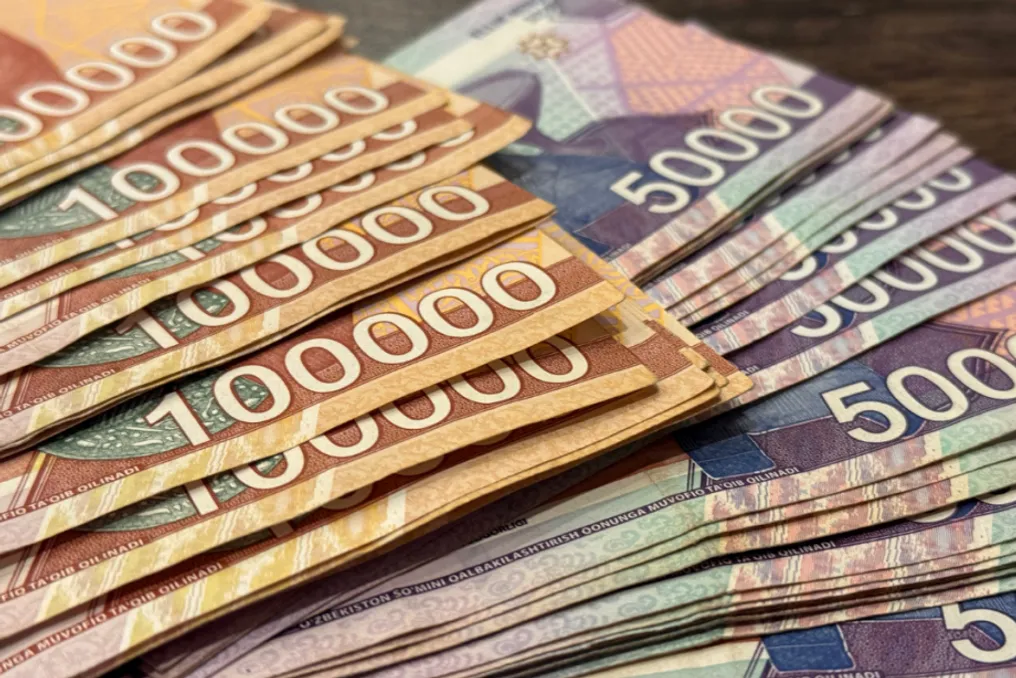
The Central Bank announced that Uzbekistan's transition to the updated alphabet will not necessitate the exchange of banknotes and coins currently in circulation. According to a statement from the Central Bank's press service, existing money will retain its validity for transactions.
The regulator noted that it has received numerous inquiries from citizens concerned about a possible replacement of the national currency following the writing system reform. The Central Bank emphasized that these concerns are unfounded.
Officials stated that all money currently in circulation will remain valid and can be used for purchases and payments. If banknotes with new letters are issued, they will circulate alongside bills of the current design. The Central Bank plans to notify the public at least one week before such banknotes enter circulation.
This clarification was made after the update of instructions regulating the organization of monetary circulation in banks. The Ministry of Justice registered this document on November 17, and it will come into force on February 19, 2027. These instructions provide for the possibility of issuing banknotes and coins using the updated Uzbek alphabet, but they do not set a deadline for the mandatory replacement of cash.
The Central Bank reiterated that existing banknotes and coins will retain their value even after the introduction of new designs and will remain acceptable for payment in stores, markets, and other retail outlets.
President Shavkat Mirziyoyev signed the law on the transition to the new Uzbek alphabet on October 21, 2026. The new system includes 28 letters, replacing the previous 26 letters and three letter combinations. It also contains four letters with diacritical marks—Ş, Ç, Ö, and Ğ—as well as an apostrophe. The law will take effect on April 22, 2027. Previously, the Head of the Presidential Administration, Saida Mirziyoyeva, stated that all previously issued documents, national currency, and securities will remain valid after the reform. Textbooks, signs, and road signs will be replaced gradually as they reach the end of their service life.