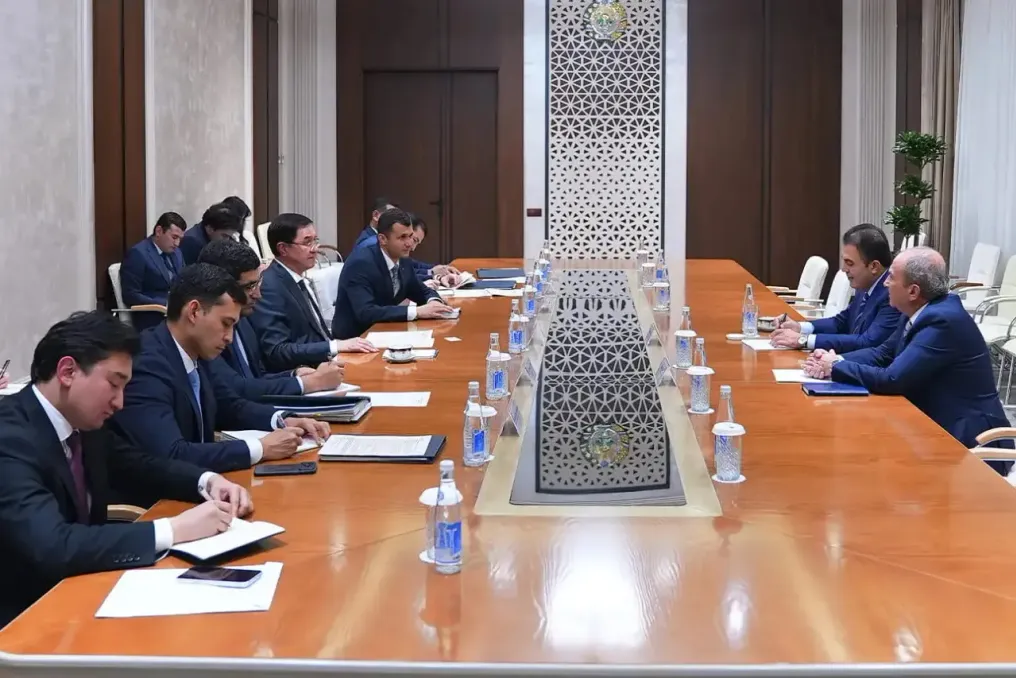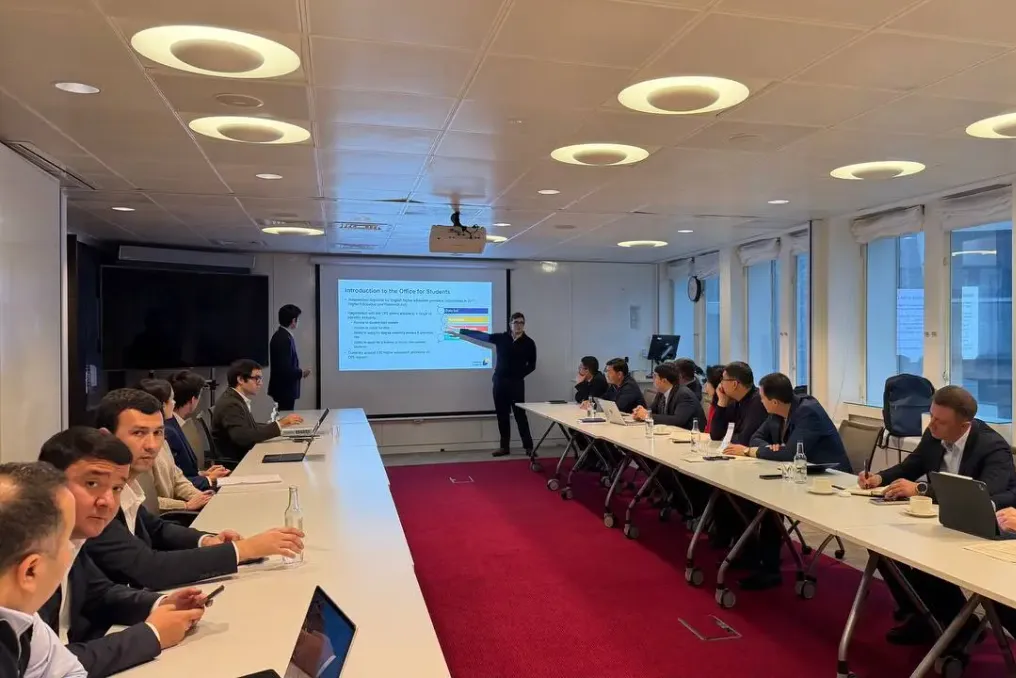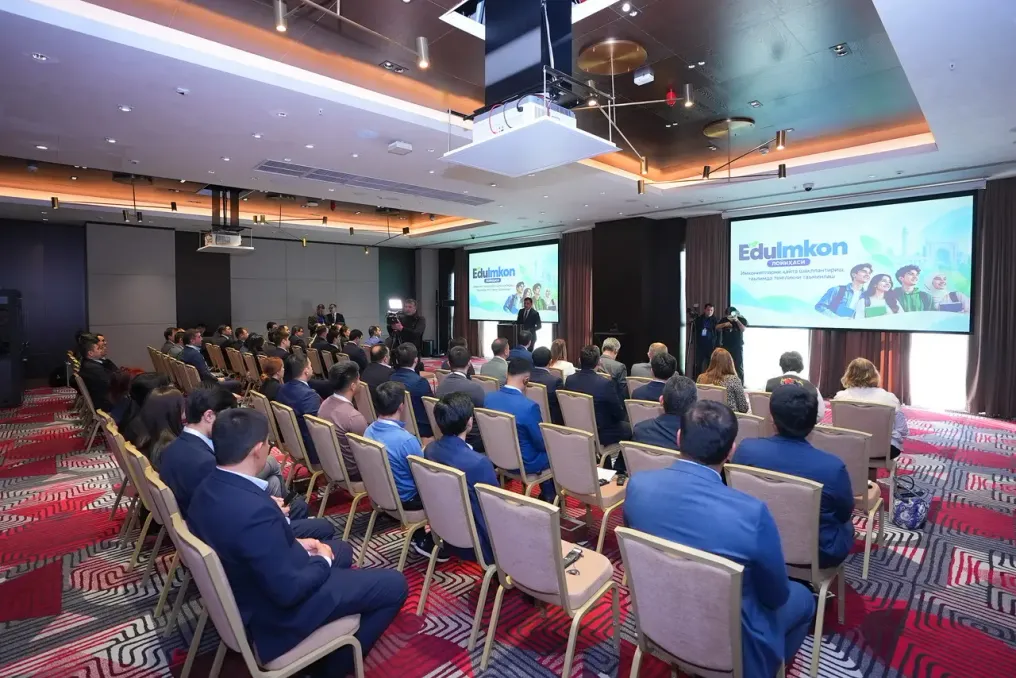
An international round table was held in Samarkand on November 20–21, 2026, dedicated to developing sustainable mechanisms for education lending in Uzbekistan. The event was organized by the Ministry of Economy and Finance of Uzbekistan in collaboration with the World Bank as part of the Eduimkon project.
The two-day meeting focused on expanding access to higher and vocational education, improving the existing student loan system, ensuring its financial sustainability, and finding solutions based on international experience and Uzbekistan's specific context.
Overview of International Financing Approaches
Participants were presented with education financing methods used in Australia, the United Kingdom, and other countries. Principles of the Australian Higher Education Contribution Scheme (HECS) and Income-Contingent Loans (ICL), where graduates' debt repayment depends on their income level, were discussed.
Experts also studied the experience of the UK, the economic foundations of these models, as well as their potential advantages and limitations. Attendees included Toby Linden, World Bank's Global Head of Education and Skills; Bruce Chapman, specialist in Australia's HECS system; Nicholas Barr, Professor at the London School of Economics; Richard Holden, representative from the University of New South Wales; Lorraine Darden, Professor at University College London; and Ismael Sans Labrador, Professor at Juan Carlos University and Senior Researcher at the London School of Economics.
Representatives from relevant organizations in Kyrgyzstan and Azerbaijan shared their regional experience in educational lending.
Practical Development of the Lending Model
The second day was devoted to the practical aspects of creating an income-contingent student loan model for Uzbekistan. Participants examined economic modeling of various scenarios, determined income thresholds and repayment rates, taking into account graduates' employment and earnings after graduation, and assessed the potential impact of the proposed model on the state budget.
Special attention was paid to creating a reliable and interconnected data system. Experts discussed the possibility of using information on students, curricula, tuition fees, program completion, graduate employment, and income. The integration of data from tax and labor systems, as well as the legal and institutional framework regulating the use of this information, was also considered.
Participants analyzed the current state of the education financing ecosystem in Uzbekistan, the potential of an educational loan platform, and potential areas for further development. The distribution of responsibilities among government bodies, financial institutions, and other stakeholders at all stages of lending—from issuance to repayment, including mechanisms for tracking borrowers' income and organizing payments—was discussed.
The practical part of the meeting included working groups that worked on developing the payment collection mechanism within the ICL model. Participants developed and compared proposals for determining graduate income, calculating their repayment obligations, data exchange, and coordinating cooperation between involved organizations.
The closing session summarized the two days of discussions and identified priority areas for improving Uzbekistan's education loan system. Factors to consider when adapting the ICL model to national conditions, as well as next steps for work and preparation of proposals by stakeholders, were also discussed. The approaches and recommendations developed at the meeting should serve as a basis for preparing a roadmap for further reforms in education financing.