A young man who achieved high results in his final exams decided not to attend university to start from scratch and create a thriving agricultural enterprise.
Sihle Fiko Wuzane, who was previously expelled from school, managed to change his life and become the top student in his class. He bypassed university and launched the Vivi-am Farm on a small plot, starting with just 400 cabbage plants. Today, he manages 27 hectares in Qumbu, supplying produce to major retail chains and creating jobs in the region.
Wuzane's journey to becoming a commercial farmer began unexpectedly. Although he grew up in Mafusini Location in Qumbu, surrounded by agriculture thanks to his grandparents, he was initially not fond of working with the land. He recalls hating farming as a child, preferring tractors.
His early school years were unstable. After starting at Qumbu Community School, he moved to Johannesburg to study at Allen Glen High School. Due to poor academic performance, he returned to the Eastern Cape and enrolled at Mhlontlo High School, but was expelled after only two weeks. He then transferred to the local village school, Skwanyi Secondary School, before finding his place at Vela High School.
During the COVID-19 quarantine in 2020, schools closed, and Wuzane returned home, which unintentionally changed the trajectory of his life. He remembers spending a lot of time in the garden with his grandparents and cousins, where they planted and watered vegetables such as beetroot, cabbage, and spinach. These moments changed his view of farming, transforming it from a simple planting process into a family gathering.
When schools resumed operations, Wuzane brought this new passion back to Vela High School, setting up a vegetable garden on the school grounds to provide food for the dormitory. By the end of 2021, he had completely corrected his academic path, graduating from school as the top student in his class.
Despite his outstanding performance in the final exams, Wuzane did not plan to attend university. Immediately after receiving his results in January 2022, he officially registered his business—Vivi-am Farm. His initial capital came from state pension payments after his grandmother's death, supplemented by financial support and agricultural resources from his grandfather.
Working on a modest home plot measuring 50 x 50 meters, Wuzane planted the first batch of 400 Conquistador cabbage varieties, gradually expanding the cultivation of cabbage and spinach across the yard. Initially, he handled the entire process himself—from planting to selling in the streets of Qumbu.
With support, his activities received institutional development. The Mhlontlo Development Agency (MDA) provided a JoJo tank and 100 meters of 20-inch pipes. Furthermore, Mhlontlo Local Economic Development (LED) supplied production materials for potatoes. The Department of Agriculture provided technical assistance, including chemical spraying, irrigation, fence installation, a greenhouse for green pepper production, and a tractor with attached equipment.
Working on family and communal land under the traditional guidance of AmaBhele, Wuzane also helped develop his peers. In 2023, he encouraged his neighbor and friend Sangu Mvundlelulu, as well as friends Sihle Mnkwa and Yolu Rakazu, to join agriculture by allocating them parts of his land for cultivation. Thus, the group pooled resources and became business partners.
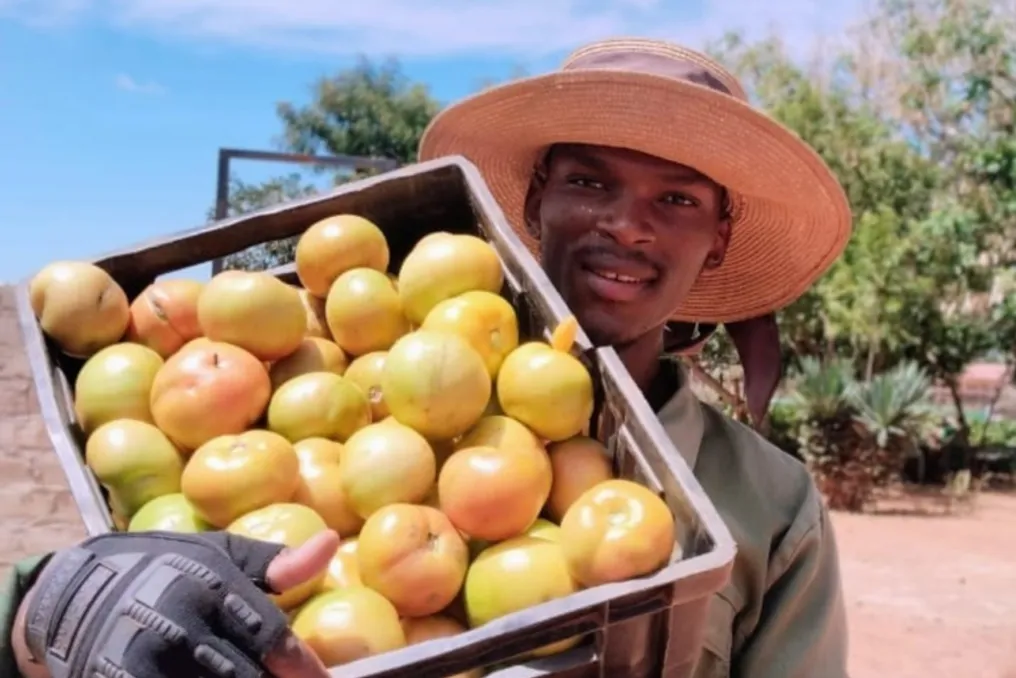
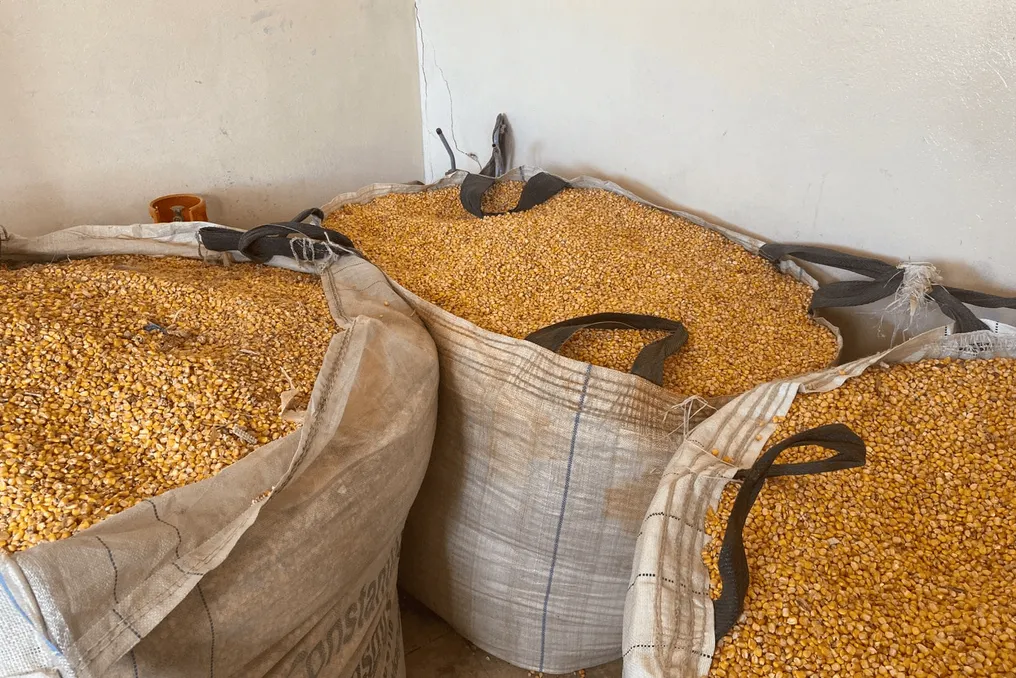
Today, Vivi-am Farm has grown from one backyard to 27 hectares, including seven hectares of maize and 11 hectares of vegetables such as spinach, cabbage, potatoes, green peppers, and sunflowers. Produce is supplied to local supermarkets, such as Spargs Superspar and Boxer in Qumbu, as well as to the Eyoluntu fresh produce market.
Running a growing agribusiness in the rural Eastern Cape comes with constant challenges, such as poor road conditions, rising fuel and raw material prices, and limited access to capital. Wuzane is actively seeking opportunities to attract mixed financing and is applying to the Eastern Cape Rural Development Agency (ECRDA) for production loans.
He also relies on the advice of experienced industry mentors, including Bhayi Holdings, Jay Jay Farming, Mzuyanda Mvelase, Mr. Phakade, Sihle Maseko, and Mama Nombevu. Wuzane plans to expand the area of Vivi-am Farm from 27 hectares to 200 hectares of grain and 20 hectares of potatoes.
However, for the young farmer, success is measured by more than just acreage. Wuzane considers his greatest achievement to be the impact he has on his community by providing jobs. Currently, his enterprise supports four permanent employees and 15 part-time workers. His advice to other young people wishing to follow this path is simple: 'Seek mentors, and you must give everything you have.'