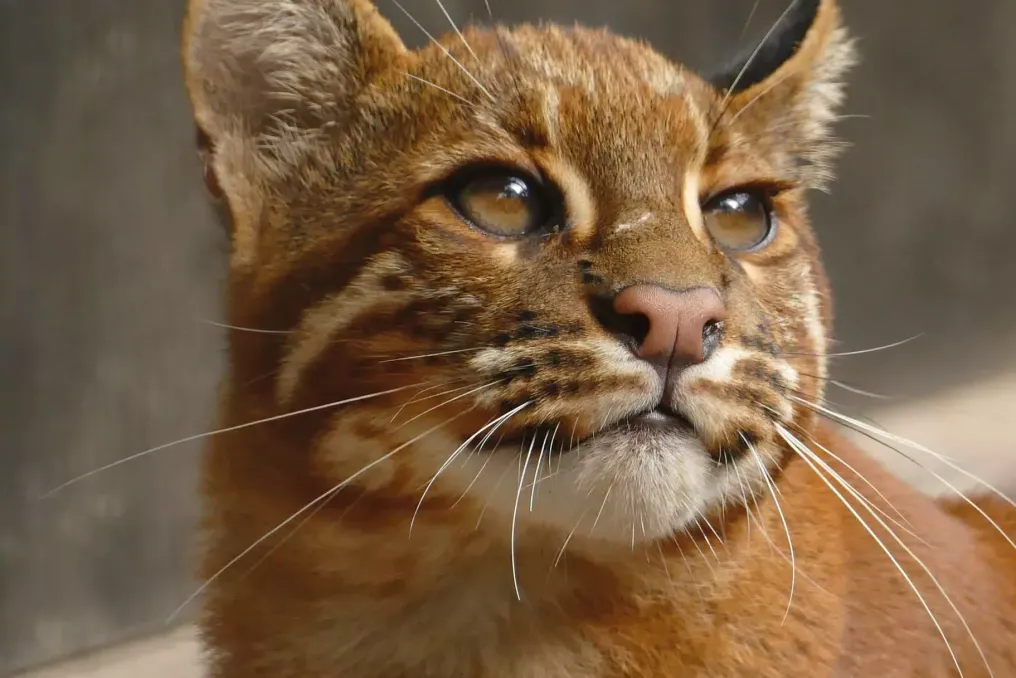
Indonesian company proposes commercially breeding Asian golden cats for sale as exotic pets
Read more
Getaway
getaway.co.za

Indonesian company proposes commercially breeding Asian golden cats for sale as exotic pets

A controversial plan to breed Asian golden cats as domestic pets has emerged. There is a possibility that the rare wild cat inhabiting the forests of Asia could be commercially bred and sold as an exotic pet. The proposal by an Indonesian company to export such captive-bred cats has raised concerns among conservation specialists regarding animal welfare, illegal wildlife trade, and the future of an already vulnerable species.

According to an investigation by Mongabay, the Indonesian firm PT Alam Nusantara Jayatama has applied to register a captive breeding facility under the Convention on International Trade in Endangered Species of Wild Fauna and Flora (CITES).

If approved, this would become the world's first facility dedicated to the commercial breeding of Asian golden cats (Catopuma temminckii) for the international pet market. However, the proposal has faced criticism from wildlife experts who question the viability of breeding these elusive wild cats for private ownership, given that wild populations are already under pressure.

The Asian golden cat is a medium-sized wild predator naturally found in parts of South and Southeast Asia. Its fur can range in shades from reddish-gold and brown to gray and black, with some individuals displaying distinctive markings. Despite its striking appearance, it is rarely seen in the wild, making it a particularly secretive forest dweller.

This species is classified as vulnerable on the IUCN Red List, with an estimated wild population of around 7,000 individuals. The main threats are habitat loss and poaching. Cats are hunted for their skins and bones, while the destruction and fragmentation of forest habitats continue to put pressure on wild populations.

It is reported that the Indonesian company's breeding program began in 2013 using four legally sourced wild Asian golden cats. Documents submitted by the Indonesian Ministry of Forestry to CITES indicate that the enterprise increased its population to 36 cats over three generations by 2025.

The company is currently seeking recognition in the CITES captive breeding registry. Under international wildlife trade regulations, wild-caught Asian golden cats are protected under Appendix I, which prohibits international commercial trade. However, animals bred in registered facilities can move between countries with the necessary export permits. This distinction is key to the proposed activity, as registration could pave the way for the commercial export of captive-bred cats.

The CITES Secretariat issued a public notice in August, giving member countries until November 10th to voice objections before the facility could be added to the registry. The reported breeding data has raised questions among specialists familiar with the species.

Mike Brocklehurst, a predator specialist who previously headed the Asian golden cat conservation and breeding program at the Melbourne Zoo in Australia, told Mongabay that breeding these animals in captivity presents unique complexities. He noted that introducing males and females can be dangerous, as males are known to kill females.

He also questioned how the Indonesian enterprise managed such rapid population growth. One possible explanation, he suggested, is that kittens are separated from their mothers at an early age and hand-fed, allowing females to return to reproductive cycles faster. This practice, sometimes called accelerated breeding, may have consequences for the animals' development and behavior.

Sandra Reichler, a mammal curator at the Heidelberg Zoo in Germany and head of the breeding program for the European Association of Zoos and Aquaria (EAZA), also expressed concerns about enclosure sizes. Photos of the facility show enclosures measuring approximately nine square meters, which is significantly smaller than the minimum 150 square meters recommended by EAZA for this species.

Reichler warned that separating kittens from their mothers too early can lead to behavioral problems. She also questioned the conservation value of a commercial breeding program whose primary goal is supplying private pet owners, rather than supporting wild populations.

Captive breeding is sometimes used as a conservation tool to protect endangered species, maintain genetic diversity, and support future reintroduction programs. However, conservationists argue that breeding animals primarily for the exotic pet trade is an entirely different issue.

Chris Shepard, a senior conservation advocate from the American Center for Biodiversity, told Mongabay that commercial captive breeding does not necessarily reduce the demand for wild-caught animals. In some cases, it can complicate conservation efforts. He also wondered if the proposed breeding program could realistically provide the necessary numbers for profitable commercial export, considering the difficulties associated with breeding Asian golden cats.

There is a fear that creating a legal market for these animals could increase the demand for exotic wild cats instead of helping to protect their populations in their natural habitat.

Neither PT Alam Nusantara Jayatama nor its owner, Danny Gunalen, responded to Mongabay's inquiries before the investigation was published. Mongabay also contacted the CITES Secretariat to find out if any countries had officially objected to the proposal but had not received a response by the time of publication.

As of Mongabay's report, the facility has not been included in the CITES registry of captive breeding facilities for Asian golden cats. For now, this proposal raises a broader question about the role of commercial captive breeding in wildlife conservation: just because a vulnerable species can be bred in captivity does not mean it should be bred for private pet trade.
Similar stories

South African Coastal Otters: A Description of These Stealthy Mammals Living Between Land and Sea
Read more
getaway.co.za

South African Coastal Otters: A Description of These Stealthy Mammals Living Between Land and Sea

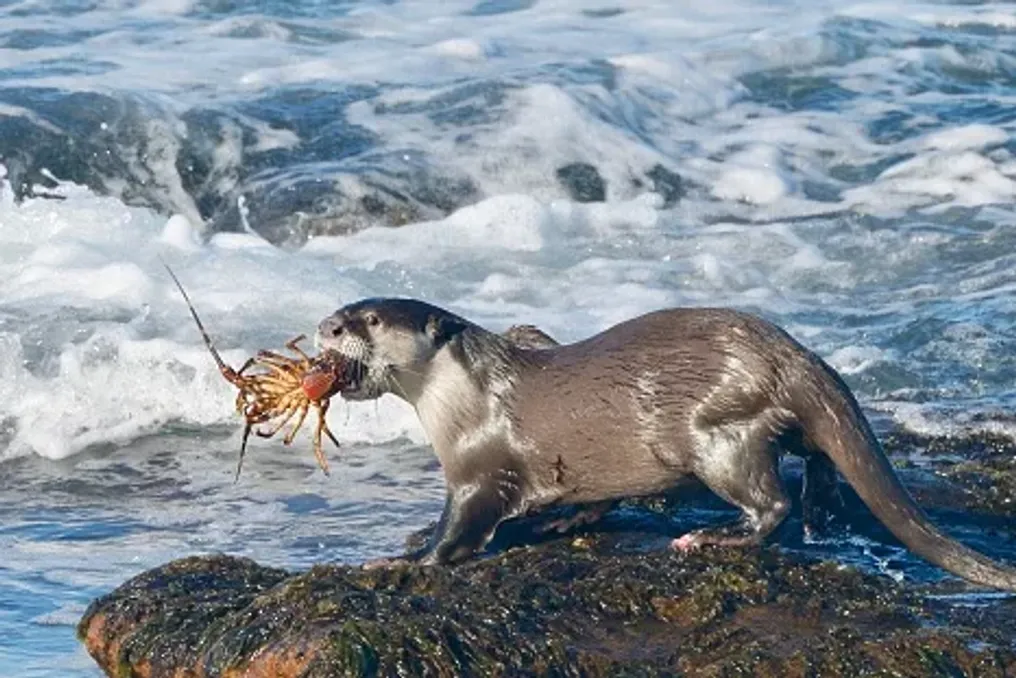
Along the rugged coastline of South Africa, where rocky shoals meet the restless ocean, a stealthy mammal moves quietly. The Cape Clawless Otter, often underestimated resident of the country's coastal ecosystems, feels equally comfortable hunting crabs among the rocks and sheltering in freshwater streams and protected riverbanks.

Thanks to sensitive whiskers, surprisingly agile paws, and dense fur adapted for aquatic life, these peculiar animals have developed unique survival methods along the coast. However, as coastal development expands and pressure on natural habitats intensifies, the spaces they depend on are becoming increasingly vulnerable.

The Cape Clawless Otter (Aonyx capensis) is one of the most widespread otter species in Africa. Despite its name, it is not confined to the Cape, being found in many parts of sub-Saharan Africa and throughout South Africa, especially along the eastern and southern coasts.

In South Africa, this species is also found in some parts of the west coast, with recorded sightings extending to Langebaan, the Berg River estuary, and Sedderberg. Its range extends beyond the coastline into rivers, wetlands, reservoirs, and other freshwater habitats.

Unlike marine mammals that spend their entire lives in the ocean, the Cape Clawless Otter depends on a combination of aquatic and terrestrial environments. It requires access to fresh water, suitable shelter, and a sufficient amount of food, making healthy connections between rivers, wetlands, and coastal ecosystems particularly important.

Consequently, their presence along the coastline is closely linked to the condition of the surrounding landscape.

Physical Adaptations of the Cape Clawless Otter

The Cape Clawless Otter possesses several physical adaptations that make it an effective predator in the aquatic environment. Its brown fur, pale chin and chest, small ears, and sensitive whiskers give it a distinctive appearance.

One of the most interesting features is its forepaws, which lack the large claws characteristic of many other otter species. These agile paws are particularly useful when searching for food under rocks, in crevices, and along muddy riverbanks.

Its whiskers, known as vibrissae, are highly sensitive to movement in water. They help the otter detect prey in low-visibility conditions, allowing it to find food through touch rather than relying solely on sight.

Although Cape Clawless Otters can move comfortably in water, they also spend significant time on land. They use sheltered spots along riverbanks and coastal vegetation for resting, grooming, and creating dens known as holts. These locations provide protection from disturbance and convenient access to nearby feeding grounds.

Cape Clawless Otters are carnivorous and opportunistic feeders, their diet changing depending on their habitat and available food. Along the coast, crabs are an important food source, especially in rocky intertidal zones. They also feed on fish, including small coastal species, as well as other aquatic animals. Their diet may include frogs, insects, worms, and sometimes waterfowl. This flexibility allows them to adapt when certain prey becomes less available.

A 2025 study examining the feeding behavior of African clawed otters in three locations in South Africa revealed evidence of seasonal changes in their diet. Researchers recorded a shift from a crab-based diet to fish and insects, depending on prey availability and environmental conditions. This dietary flexibility is one reason why the species can occupy such diverse aquatic environments.

For coastal otters, the shoreline is not just a hunting ground; it is part of a broader ecosystem that connects marine food sources with the freshwater habitats necessary for survival.

Habitat and Urban Adaptation

Cape Clawless Otters are associated with various aquatic habitats: from freshwater rivers and wetlands to estuaries, reservoirs, and coastal shores. In the Western Cape, they are found in suitable habitats around the Cape Peninsula and further north towards the Berg River estuary and Langebaan. Their presence is not limited to remote wilderness areas; they have demonstrated the ability to inhabit landscapes significantly altered by human activity, including urban areas.

However, not every stretch of coast provides suitable conditions. Access to fresh water, sufficient prey, and protected areas for resting and breeding remain crucial factors influencing where these animals settle. Studies of their habitat preferences have also highlighted the importance of natural riverbanks, especially sections with reeds, rocks, and overhanging vegetation. These elements provide both shelter and access to food.

One of the more unexpected places where Cape Clawless Otters can be found is the V&A Waterfront in Cape Town. The canals and waterways in this area have attracted otters, demonstrating how adaptable these mammals are when suitable food and fresh water sources are available in an urban setting.

The Two Oceans Aquarium Foundation, in partnership with the V&A Waterfront, established its Urban Otter Project in 2022. This initiative monitors otter activity, collects data on their behavior, and works to reduce potentially dangerous interactions between animals and humans. The project also highlights an important aspect of urban wildlife conservation: sharing space with wild animals requires understanding their behavior and needs.

Otters have been observed using freshwater pools and fountains within the Waterfront area, while vegetation around hotels and residential complexes provides additional cover. Wildlife monitors also collect observations that contribute to the research on this species.

For visitors, encountering an otter can be a memorable experience, but these animals should always be treated as wildlife. Approaching them, attempting to feed them, or allowing dogs to chase them can cause unnecessary stress and potentially dangerous situations.

Despite their adaptability, Cape Clawless Otters are not immune to pressures affecting South Africa's natural environment. Coastal construction, habitat degradation, and pollution can impact the associated ecosystems upon which they depend. The destruction of bankside vegetation, in particular, reduces the sheltered areas that otters use when moving between water and land. Water pollution is also a concern, as it can affect the biodiversity of aquatic organisms and alter food availability. Changes in rivers, wetlands, and estuaries can have consequences beyond the immediate development zone.

Other threats include accidental entanglement in fishing gear, road traffic accidents, and contact with domestic dogs. The guide to local fauna of Cape Town also lists dogs, poaching, water pollution, and habitat degradation as threats facing the species. In urban settings, feeding wild animals and encouraging close contact with humans can create additional problems by altering natural behavior.

The Cape Clawless Otter is classified as endangered in the Cape Town conservation reference information, underscoring the importance of protecting the habitats that sustain it. Conserving Cape Clawless Otters requires more than just protecting isolated stretches of coastline. Their survival depends on healthy rivers, wetlands, estuaries, and coastal habitats functioning as connected ecosystems. Protecting freshwater sources, preserving natural vegetation along riverbanks, and reducing pollution are all vital steps toward maintaining suitable habitats. Responsible tourism also plays a role, especially in areas where people, pets, and wildlife regularly coexist.

For travelers exploring the South African coast, an encounter with an otter serves as a reminder that some of the country's most fascinating wildlife encounters happen outside traditional reserves and tourist destinations. Whether it is searching for crabs on a rocky shore or quietly moving through a freshwater stream, the Cape Clawless Otter is an example of wonderful wildlife living at the junction of land and sea.

Popular