Uzsuvtaminot from Uzbekistan studies smart water meter production in China
Read more
UzDaily
uzdaily.uz

Uzsuvtaminot from Uzbekistan studies smart water meter production in China

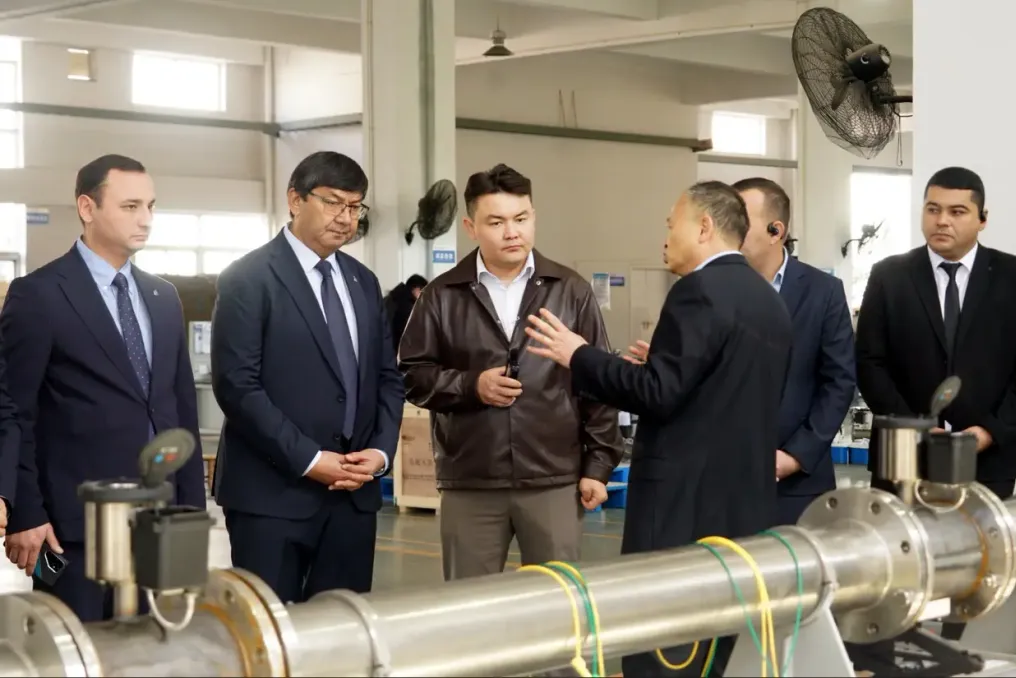
A delegation from the Uzbek company Uzsuvtaminot, led by Chairman Ahmad Suvankulov, traveled to China to study water resource management technologies and the production of smart water meters.

During the visit, the delegation toured the main production facility of Sanchuan Smart Technologies in China. Previously, a modern water meter plant was established in the Andijan region with the participation of this company.

At the factory, participants inspected the production lines for smart meters, studied the equipment used, and viewed the finished products. Guests were also shown laboratories where the technical specifications and quality of the products are tested.

Representatives of Uzsuvtaminot also visited a water supply facility owned by the Chinese company to familiarize themselves with its operating principles.

The main goal of the trip was to study advanced technologies and practical experience in the field of manufacturing smart water meters, water metering, and water resource management. The parties also discussed opportunities to strengthen mutually beneficial cooperation and defined future directions for its development.

Similar stories

Uzbekistan chooses water conservation over costly water transfer from Siberia
Read more
podrobno.uz

Uzbekistan chooses water conservation over costly water transfer from Siberia

Uzbekistan has decided that it is more expedient to invest in modern water-saving technologies rather than implement a large-scale and expensive project to transfer water from Siberian rivers. According to estimates by the Minister of Water Resources, Shavkat Khamraev, the project proposed by Russian researchers could cost around $100 billion.

The head of the department stated this position on November 19 during a press conference in Tashkent dedicated to the effective use of water resources. He reported that Russian scientists had suggested considering the possibility of transporting approximately 5 billion cubic meters of water annually from Siberia to Central Asia, with a preliminary cost estimated at $100 billion.

Khamraev presented Uzbekistan's results, which demonstrate significant water savings with much smaller financial investments. According to the Ministry of Water Resources data, from January to October 2026, thanks to the application of modern irrigation methods, as well as canal concreting and other measures, 10.69 billion cubic meters of water were saved. It is planned that this figure will reach 11 billion cubic meters by the end of the current year.

Specific achievements include saving about 4.9 billion cubic meters of water through the introduction of water-saving technologies and laser leveling of agricultural lands. Furthermore, the repair and concreting of irrigation canals helped save another 3.1 billion cubic meters.

The Minister believes that additional investments of $5–10 billion in modernizing irrigation infrastructure and developing water conservation technologies will allow for further reduction in the country's water demand. Nevertheless, he noted that by the 2050s, Uzbekistan may have to seek new water sources if climate change leads to a further decrease in available water resources.

The idea of transferring water from Siberian rivers has a long history, as a similar project was discussed during the Soviet period. At that time, the possibility of delivering about 27 billion cubic meters of water annually to Central Asia was considered, but work on this project was halted in 1986. In 2025, Russian scientists once again proposed studying the potential for partial diversion of the Ob River runoff.

It was also mentioned that Afghanistan will not begin full-scale water withdrawal from the Amu Darya via the Koshtepa canal until 2030. Shavkat Khamraev added that Uzbekistan continues to negotiate with the Afghan side regarding the future distribution of water resources.

Uzbek Farmers Study Chinese Dairy Farming Technologies
Read more
uzdaily.uz

Uzbek Farmers Study Chinese Dairy Farming Technologies

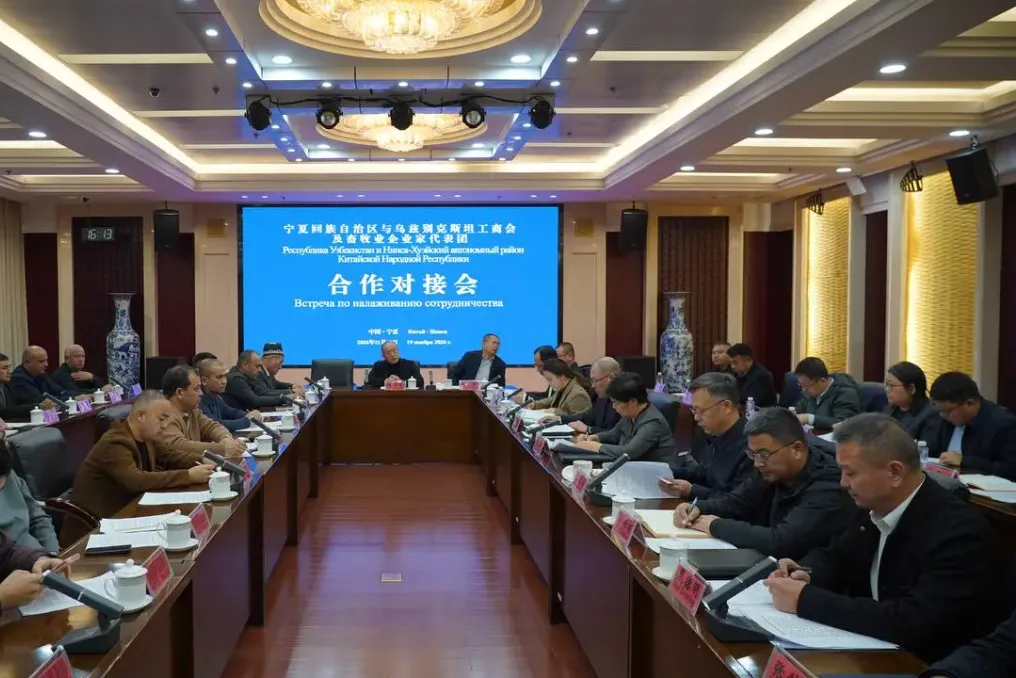
A delegation of livestock breeders from Uzbekistan is studying dairy farming methods used in China, as well as the possibilities of importing breeding stock. This mission is supported by the Embassy of Uzbekistan in China and the Chamber of Commerce and Industry.

The delegation is headed by Davron Vakhabov, Chairman of the Chamber. During their visit to Uzhun, located in the Ningxia Hui Autonomous Region of China, the farmers visited Wuzhong Dairy Industry Co., Ltd.

At the enterprise, they familiarized themselves with the use of artificial intelligence systems and robotic complexes in animal husbandry. According to the company, its production system serves 160,000 head of livestock and produces about 3,000 tons of milk daily, together with affiliated farms. The average productivity of one dairy cow is 40 liters per day.

The farm uses individual calculations to determine feed requirements. Each animal consumes an average of 50–55 kg of feed daily, and the diet is adjusted depending on the animal's condition and productivity. Artificial intelligence systems monitor the health, nutrition, and productivity of each animal. Robots are responsible for feed distribution, while processes such as temperature control, milking, cooling, and milk storage are automated.

The Chamber of Commerce and Industry noted that this enterprise receives full state support, which has allowed it to implement modern infrastructure solutions and technological developments.

During the visit, Uzbek farmers discussed the possibility of adapting similar technologies to local conditions, establishing modern dairy complexes, and implementing digital management systems. The delegation also visited Ningxia Xingniu Rui International Trade Co., Ltd., based in Uzhun. Representatives of this company spoke about their activities in livestock breeding, raising high-yield breeds, and exporting livestock products to foreign markets.

Entrepreneurs from Uzbekistan expressed interest in the company's breeding stock, its export experience, and potential supplies to Uzbekistan. Participants discussed establishing trade relations, supplying breeding animals, and prospects for further cooperation. According to the Chamber, the delegation's visit to China is scheduled until November 21.

Popular