According to the National Statistical Committee, industrial output in Uzbekistan's special economic zones (SEZs) reached 53.6 trillion soums for the period from January to September 2026. This represents an increase of 18.7% compared to the same period in 2025.
Enterprises in the SEZs produced goods worth 53,598.5 billion soums, whereas in the same period in 2025, this figure was 45,151.8 billion soums. The data is calculated at current prices and excludes VAT and excise taxes.
SEZs remain the largest participants in industrial production among various types of economic zones in the country.
As of October 1, 2026, there were 32 SEZs and 401 small industrial zones (SIZ) operating in Uzbekistan. Additionally, the country had 29 technology parks, 352 clusters, and 165 youth industrial and entrepreneurial zones (YIEZ).
These figures only account for zones where participating enterprises have already started their activities. Technology parks attracted the largest number of participants—4,957 enterprises. Small industrial zones had 3,271 participants, and youth industrial and entrepreneurial zones had 1,334.
1,186 enterprises were involved in the SEZs, while clusters included 386 enterprises.
After SEZs, clusters demonstrated the highest volume of industrial output, producing goods worth 27,900.6 billion soums, which is higher than the previous year's figure of 23,918.4 billion soums.
Enterprises in small industrial zones produced goods worth 15,282.3 billion soums in the first nine months, an increase compared to 13,402.5 billion soums in January-September 2025. Output from technology parks reached 2,552.6 billion soums, exceeding 1,695.9 billion soums the previous year. Enterprises in youth industrial and entrepreneurial zones produced goods worth 728 billion soums.
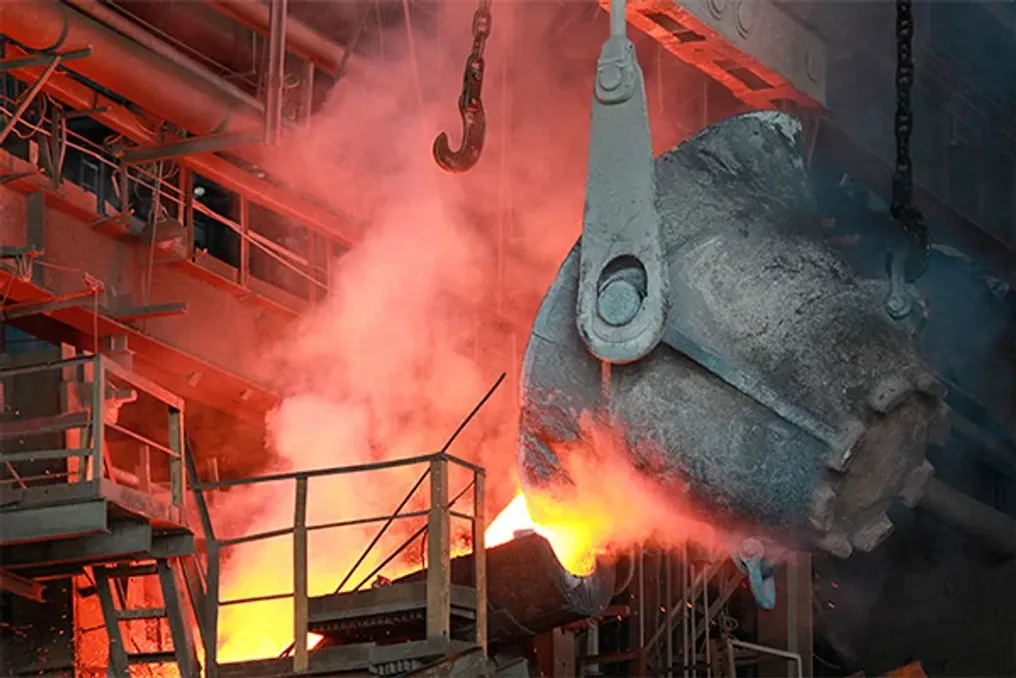
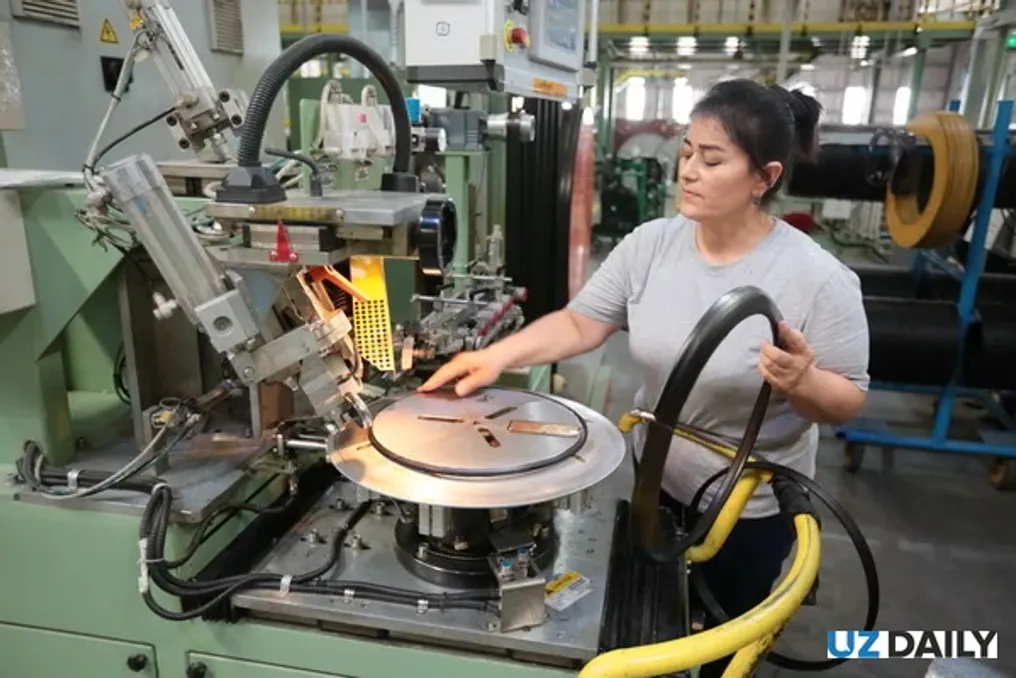
In the SEZs, the automotive industry, including the production of semi-trailers and trailers, accounted for 24.4% of the total output. Metallurgy accounted for 23.1% of the share, and the food industry accounted for 8.6%. Other products from non-metallic mineral resources accounted for 7.5% of the SEZ output. Rubber and plastic products accounted for 5.7%, and other products accounted for 4%.
The production structure in small industrial zones differed. Textiles accounted for the largest share here at 18.3%, followed by metallurgy at 16.9%. Coke and refined petroleum products accounted for 9.9% of the output of these zones. Food products accounted for 8.6%, clothing for 8.5%, and rubber and plastic products for 7.6%.
SEZs attracted the largest volume of capital investment from all funding sources, amounting to 7,030 billion soums. Clusters invested 2,470.5 billion soums, and technology parks received 1,562 billion soums. Investments in small industrial zones reached 680.9 billion soums, while only 21 billion soums were directed to youth industrial and entrepreneurial zones.
Small industrial zones led in the volume of construction work performed by their own employees, with a total value of 982 billion soums. Corresponding figures were 212.6 billion soums for technology parks and 141.5 billion soums for SEZs. Youth industrial and entrepreneurial zones carried out construction work worth 136.4 billion soums, and clusters—37 billion soums.
Technology parks provided the largest volume of market services, amounting to 29,213.6 billion soums, excluding VAT and excise taxes. SEZs provided 1,841.4 billion soums in market services, and small industrial zones provided 1,390.1 billion soums. Clusters contributed 1,231.6 billion soums, and youth industrial and entrepreneurial zones contributed 202.3 billion soums.
Technology parks exported services worth 624.0 million US dollars. Small industrial zones exported $7.4 million in services, while SEZs registered service exports of $4.5 million. Exports from youth industrial and entrepreneurial zones amounted to $1.3 million.
The statistical release did not provide export data for clusters. Export figures were calculated based on data re-submitted by enterprises. Technology parks imported services worth 294.5 million US dollars. Imports amounted to $34.3 million for small industrial zones and $24.3 million for SEZs. Clusters imported services worth $3.5 million, and youth industrial and entrepreneurial zones imported $214,500.
Technology parks had the largest staff, numbering 67,958 people as of the end of September, with 71,841 vacancies. SEZs employed 61,496 people and had 63,129 jobs. Clusters had 56,267 employees and 56,721 jobs. Small industrial zones hired 45,053 people, with 45,860 vacancies. Youth industrial and entrepreneurial zones had 7,092 employees and 7,119 vacancies.
Residents of the Uzbekistan IT Park exported services worth $623.2 million in the first nine months of 2026, which is $142.3 million more than the previous year when the amount was $480.9 million. Their service imports increased to $288.1 million compared to $166.4 million in January-September 2025.
Residents of the IT Park provided market services worth 27,139 billion soums, which is 5,268.9 billion soums more than the previous year's figure of 21,870.1 billion soums. Their capital investments reached 1,252.6 billion soums, an increase of 882.8 billion soums compared to 369.8 billion soums in the same period in 2025. The number of jobs in companies of IT Park residents grew to 59,714 by the end of September compared to 46,503 the previous year.
The National Statistical Committee defines SEZs as geographically limited territories operating under a special legal regime. Such zones are created to attract domestic and foreign investments, technologies, and management experience, as well as to accelerate regional development.
A small industrial zone is a land plot equipped with engineering infrastructure and, in some cases, ready production facilities. A technology park combines research and educational institutions, financial organizations, and businesses that cooperate with each other and with state bodies on matters of business, investment, and research.
A cluster is a form of production organization covering stages from agricultural cultivation and raw material processing to the production of export-oriented textiles, food products, and other goods. This category also includes animal husbandry, aquaculture, and other production complexes. Youth industrial and entrepreneurial zones are established to support regional development and youth employment, especially young people included in 'Youth Registration', as well as to support investment projects launched by young entrepreneurs.