Tashkent plans to build an energy equipment manufacturing plant worth $42 million
Read more
UzDaily
uzdaily.uz

Tashkent plans to build an energy equipment manufacturing plant worth $42 million

The construction of a plant that will produce electrical and energy equipment for a total cost of 42 million US dollars is planned in Tashkent. This project, named INNOVATION TECHNOLOGIES, will be implemented in the Yangi Avlod Special Industrial Zone.

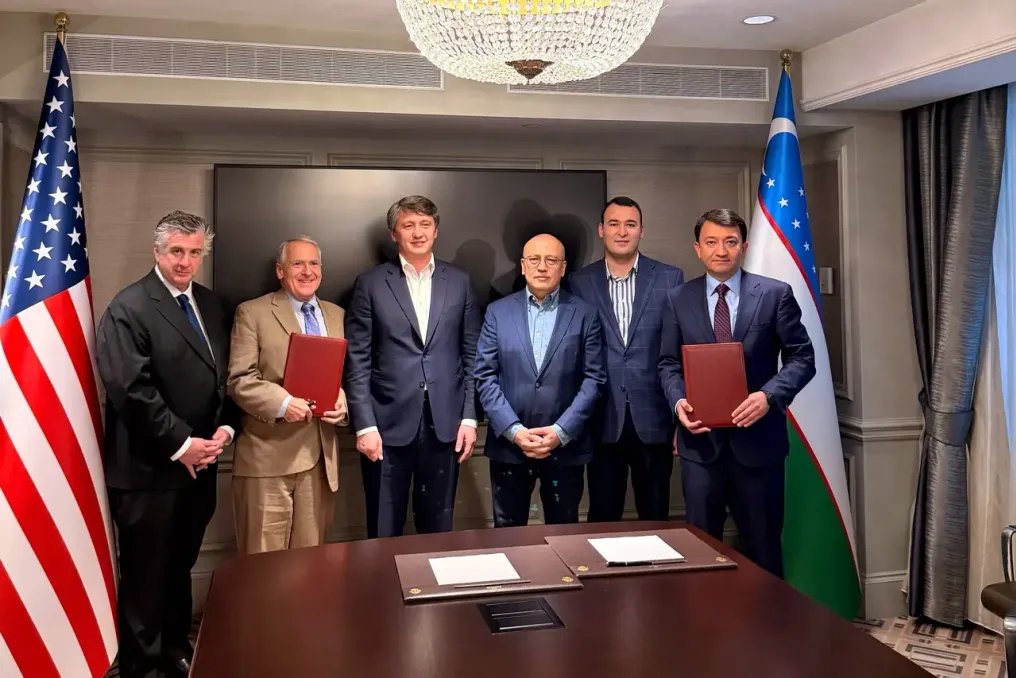
Discussions on the project took place during a meeting between Tashkent Mayor Shavkat Umurzakov and Frederik Falkenberg, Director of RS Capital Engineering for Russia and Central Asia. The first phase of the project is valued at 42 million US dollars, including 29.4 million US dollars in foreign direct investment, with potential for further production expansion exceeding 200 million dollars.

The planned plant will occupy an area of 29.2 hectares and is expected to produce over 180 types of products. These products include transformers, generators, electric motors, pumps, substations, and switching equipment. In the initial stage, local content is expected to reach 45%, and the project will create 650 jobs and train specialists according to American standards. Annual tax revenues are projected to be around 165 billion soums.

The production complex will be equipped with modern machinery, including laser cutting machines, robotic welding systems, and CNC machines for part processing. Furthermore, the creation of a testing laboratory and the development of capabilities for producing large wrought products and complex metal structures are planned.

Another production area will focus on high-tech copper products and equipment for data centers. This includes transformers, digital substations, generators, and cooling system pumps. During the negotiations, prospects for building solar and wind power plants using American engineering solutions and equipment manufactured in Tashkent were also discussed.

The company presented California's experience in installing solar panels over irrigation canals. The parties proposed considering the possibility of implementing a pilot project in Tashkent or the Tashkent region. This technology allows for electricity generation without the need for additional land allocation while reducing water evaporation.

Initially, the new plant's products are intended for supply to Central Asian countries and CIS markets, although entry into the US market is considered at a later stage. The product assortment and production volumes will be determined according to specific orders, and the company will handle the organization of deliveries to clients.

Work on the project began in June at the Tashkent International Investment Forum. Currently, over 10 million dollars has been allocated for implementation, and equipment has already been delivered to Tashkent. The launch of the first production line is scheduled for the end of 2027. The project aims to deepen copper processing, launch the production of higher value-added goods, and reduce dependence on imported energy equipment.
Similar stories

Turkish company Betek plans to build a coating production plant worth $30 million near Tashkent
Read more
uzdaily.uz

Turkish company Betek plans to build a coating production plant worth $30 million near Tashkent

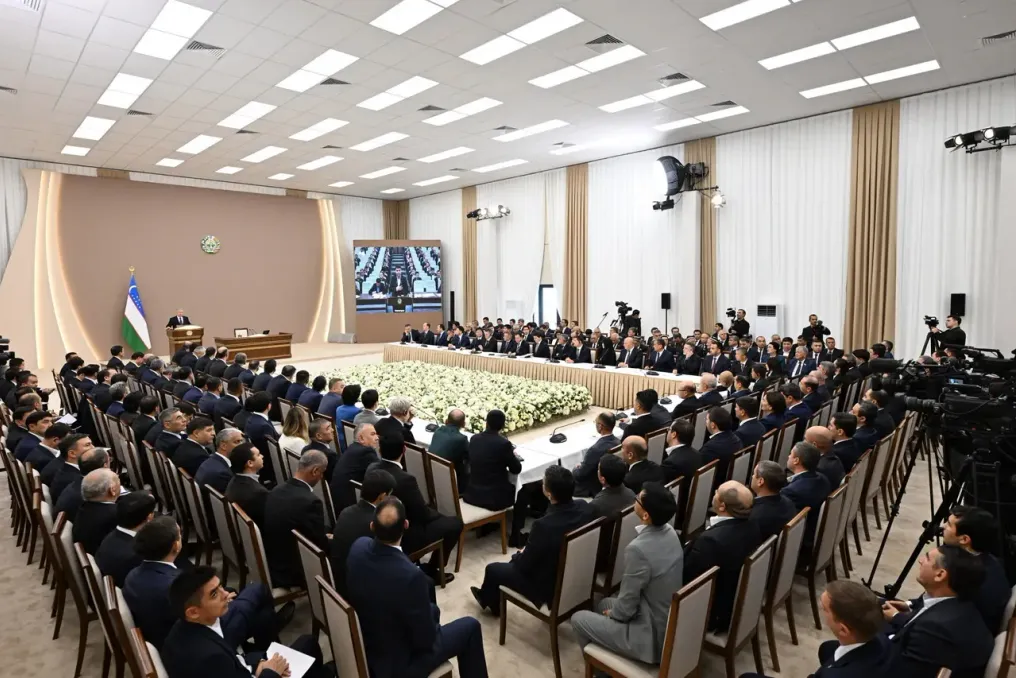
The Turkish company Betek intends to construct a paint and coating production plant worth 30 million US dollars in the Zangiatesky district of Tashkent region. This was reported by President Shavkat Mirziyoyev during a meeting with entrepreneurs and investors in the Parkent district, according to the presidential press service.

Mirziyoyev instructed regional governors to assess consumer demand and the potential of international brands, as well as to prepare new projects aimed at reducing the import of finished products.

According to the president, Uzbekistan imports construction materials worth 780 million US dollars annually. Purchases of eight types of finished products, including coatings and wallpaper, amount to 280 million dollars.

The country possesses production capacities to meet domestic demand for 161 types of products, including ceramic tiles, basalt coatings, construction glass, and aerogel blocks.

Local enterprises are capable of producing ceramic tiles three times more than required by the domestic market. Nevertheless, Uzbekistan continues to import large-format tiles worth 25 million dollars annually.

Mirziyoyev linked the need for imports to deficiencies in the quality and branding of domestic products, emphasizing that increasing the competitiveness of local production is one of the key tasks of the industry.

Over the past ten years, 12 billion US dollars have been invested in the production of building materials, and the number of operating enterprises has exceeded 5000. It is projected that by the end of 2026, the production of building materials will reach 65 trillion soms, and exports will amount to 1.5 billion dollars.

Ten years ago, the corresponding figures were 7 trillion soms and 75 million dollars. The President noted that major construction and investment projects create a significant market for local goods, and local products are also in demand in neighboring countries.

Uzbekistan aims to increase the export of construction materials more than threefold, reaching 5 billion dollars in the coming years. To achieve this goal, the country plans to expand the production of high value-added goods, support the participation of local developers in international tenders, and develop accessible and uninterrupted logistics chains.

Tashkent planted 55.21 million shrub seedlings, reaching 65.7% of the plan
Read more
uzdaily.uz

Tashkent planted 55.21 million shrub seedlings, reaching 65.7% of the plan

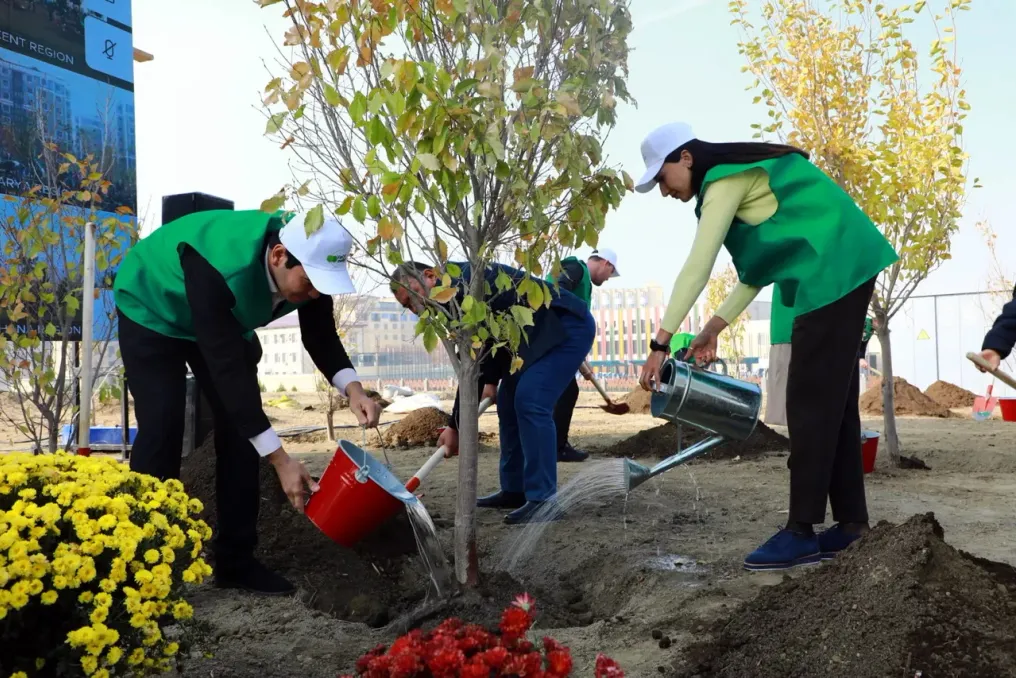
The Tashkent administration reported that 55.21 million shrub seedlings were planted in the city. This figure corresponds to 65.7% of the total target of 84 million seedlings.

According to data from the Tashkent administration, 1,573 employees participated in the planting campaign. The figures provided reflect the progress as of 18:00 on November 16.

Only 2.74 million seedlings were planted on November 16, which accounted for 65.2% of the daily norm. Furthermore, on the following day, November 17, a reserve of 4.6 million seedlings was prepared, exceeding the planned daily requirement by 128%.

Work on protecting the plantings is also ongoing. An area of 15.64 hectares was covered with arches and plastic material, which accounts for 43.4% of the planned coverage. Of this area, 0.49 hectares were covered with plastic on November 16.

Tashkent Region proposes to Japanese company the creation of a cable plant
Read more
uzdaily.uz

Tashkent Region proposes to Japanese company the creation of a cable plant

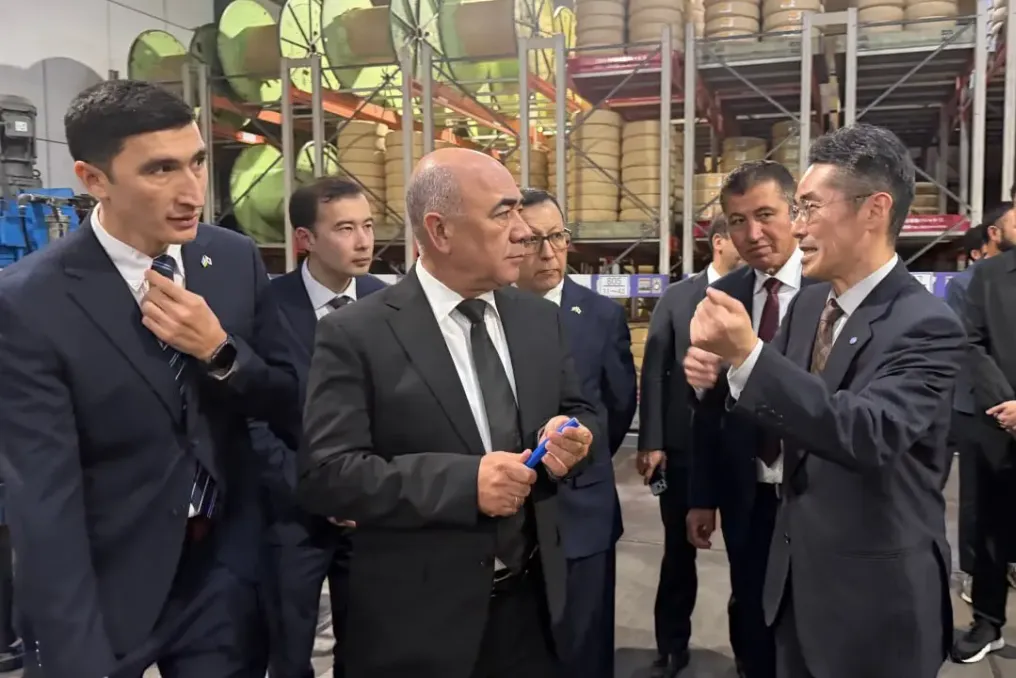
The regional administration reported that the Tashkent region has put forward a proposal to establish a joint venture with the Japanese company Aichi Densen Co., Ltd. for the production of electrical cables in the Angren Free Economic Zone.

This proposal was discussed during the visit of a regional delegation to Japan, led by Governor Zoyir Mirzaev. Members of the delegation visited the company's production facilities in Nagoya, which specializes in manufacturing electrical wiring and cables.

Aichi Densen has nearly a century of experience in this industry, and its products are supplied to construction companies and energy sector enterprises in Japan. During the negotiations, both sides discussed opportunities for mutually beneficial cooperation in the field of electrical engineering.

Specifically, the Uzbek side proposed organizing joint cable production in the Angren Free Economic Zone using Japanese technologies. Potential supplies of cable products for the Yangi Tashkent project and subsequent establishment of localized production were also discussed.

Special attention was paid to the professional training of specialists from Uzbekistan at the company's factory in Nagoya. The regional administration believes that the implementation of these initiatives can contribute to the development of the cable industry in the Tashkent region, the creation of new production capacities, increased use of local raw materials, and the training of qualified personnel.

Popular