
Chinese authorities announced a reduction in the collateral required from investors when purchasing stocks on margin in the Shanghai and Shenzhen stock exchanges. This measure was implemented with the goal of curbing the decline in financial markets, which had been pressured by the devaluation observed in technology sector companies.
Similar stories
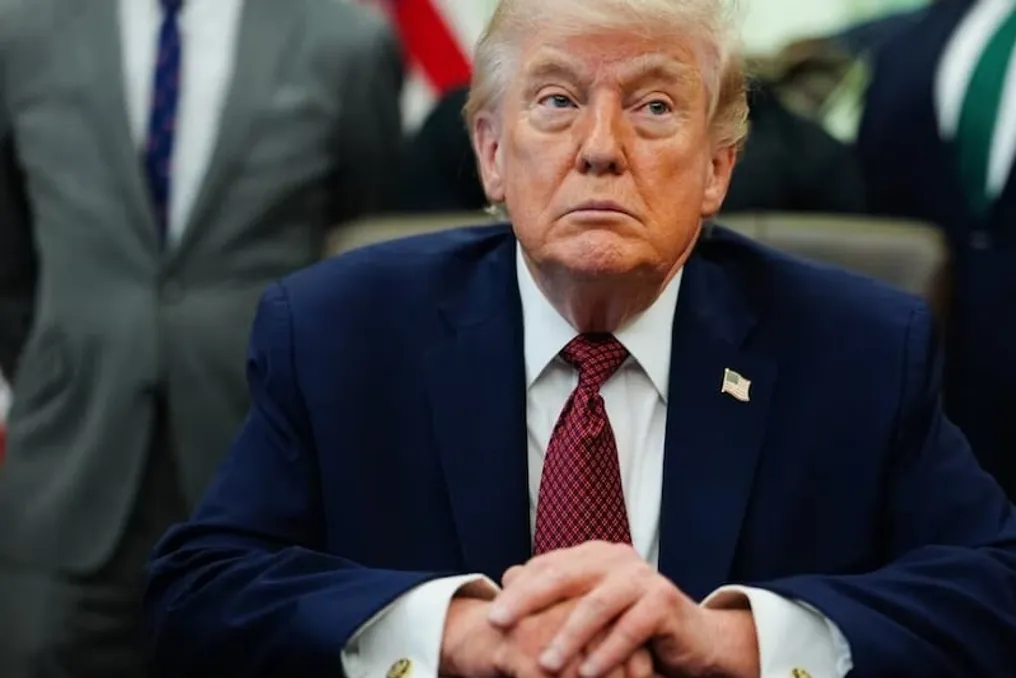
China sharply criticizes new US restrictions on semiconductor chip exports ahead of Trump's visit to Shenzhen
Ahead of Donald Trump's visit to Shenzhen, China sharply criticized the new sanctions imposed by the US on the export of semiconductor chips to five countries. These restrictions were established by the US to prevent advanced semiconductor chips from reaching China.
The US Department of Commerce published a temporary final rule titled 'Addressing Remote Access to Advanced Semiconductors' on Monday. According to this rule, obtaining a license is now required for the export of advanced semiconductor chips to Singapore, Thailand, Malaysia, Indonesia, and Brazil. The American side stated that there is an increased risk of chips being delivered from these countries to China.
China's Foreign Ministry spokesperson, Guo Jiakun, reacted to this measure during a press briefing on Tuesday. He stated that this is another example of Washington's excessive use of the national security concept and improper application of export controls. Guo Jiakun accused the US of interfering in normal trade and technological cooperation between China and other states, as well as targeting China's high-tech industry.
He emphasized that such economic pressure and the use of jurisdiction in the affairs of other countries contradict the general consensus between the two nations. According to him, this harms the legitimate rights and interests of Chinese companies and negatively affects global supply chains. China, in turn, stated its intention to take necessary steps to protect its legitimate rights and interests.
This strong reaction from China came just hours before Trump's arrival. Trump plans to visit Shenzhen to participate in the 33rd meeting of the Asia-Pacific Economic Cooperation (APEC) leaders, which begins on Wednesday and lasts for two days. Before this, Trump arrived in Shenzhen from Manila, where he had previously participated in the ASEAN summit and Quad leaders' meetings.
The significance of this 21-country summit is heightened by the fact that trilateral talks involving the presidents of China, the US, and Russia will take place on Thursday. According to the Chinese Ministry of Foreign Affairs, this meeting will discuss in detail maintaining world peace and strengthening strategic stability among key powers.
Prime Ministers Narendra Modi of India, Anthony Albanese of Australia, and Sanae Takeda of Japan also participated in the Quad meeting. No comments have been received from Beijing regarding the meeting in Manila, but China consistently opposes the Quad. China views this alliance as a strategic group created to contain influence in the Indo-Pacific region. The Chinese Ministry of Foreign Affairs has previously stated its disapproval of any special groups or confrontation in the form of blocs.
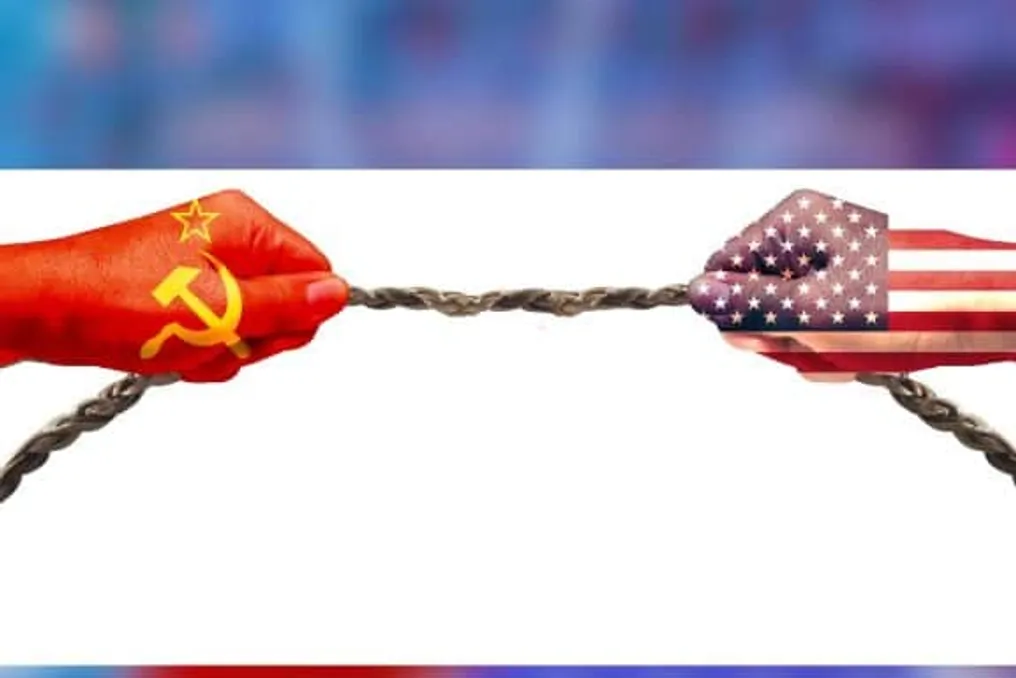
China accuses US of economic coercion over advanced AI chip export restrictions
China declared on Tuesday, the 17th, that it will implement measures to protect its interests after the United States expanded restrictions on the export of advanced chips intended for Artificial Intelligence (AI).
The new guidelines also affect Brazil and four other countries, requiring them to obtain permission from the American government to receive certain processors. Beijing characterized this determination as an abuse of the concept of national security.
During a press conference, Guo Jiakun, spokesperson for the Chinese Ministry of Foreign Affairs, expressed his criticism of the American action. He stated that it is a classic example of economic coercion and extraterritorial application of laws. The diplomat also accused Washington of exaggerating the concept of national security and using export control measures inappropriately.
Guo Jiakun promised that Beijing would defend its legitimate rights and interests, reiterating that the United States continues to abusively expand the concept of national security and misuse export control rules.
In addition to Brazil, Singapore, Thailand, Malaysia, and Indonesia were added to the list of nations subject to these new obligations. Manufacturers will require American government approval to ship advanced processors to these markets, with each request being analyzed separately.
This regulatory tightening is linked to suspicions that Nvidia processors are being diverted to Chinese companies, even in the face of trade restrictions imposed on Beijing.
The intensification of pressure for stricter controls occurred the week before the disclosure of information about Alice Huang, an executive at Megaspeed, a company based in Singapore that became a major buyer of Nvidia chips. According to the US government, Megaspeed allegedly supplied semiconductors to Chinese companies, including Alibaba, for AI model training.
Alice Huang was pointed out as a possible Chinese spy and maintained a romantic relationship with Jensen Huang, who was co-founder and CEO of Nvidia at the time. This incident came to light last week, forcing the executive to resign, although the two are not related despite the similar surname.
The regulation imposed by the US Department of Commerce aims to prevent Chinese corporations from using infrastructure located in other countries to train AI models using processors whose export to China is prohibited. According to the rule, countries classified as high risk have a higher than average probability of illegal diversion of these components to China or Macau. These two territories are under US embargo, as are Russia, Iran, North Korea, Syria, and Cuba.
The markets impacted by these requirements also host large data processing centers associated with Chinese tech giants such as ByteDance, owner of TikTok; Tencent, responsible for WeChat; Alibaba; and Huawei.
On Monday, the 16th, the United States confirmed that it is investigating Megaspeed, a Singaporean cloud computing company where Alice Huang worked. The company is suspected of helping Chinese companies circumvent US restrictions on the export of advanced chips. The investigation began in 2024, according to the Department of Commerce, which is investigating possible violations of export controls. In June 2025, during an on-site inspection of the company's facilities, Alice Huang had already been interrogated by US authorities.
In a joint statement, the Departments of Commerce and Justice announced their intention to apply 'the full weight of the law' against Megaspeed for any criminal activity that may have occurred.