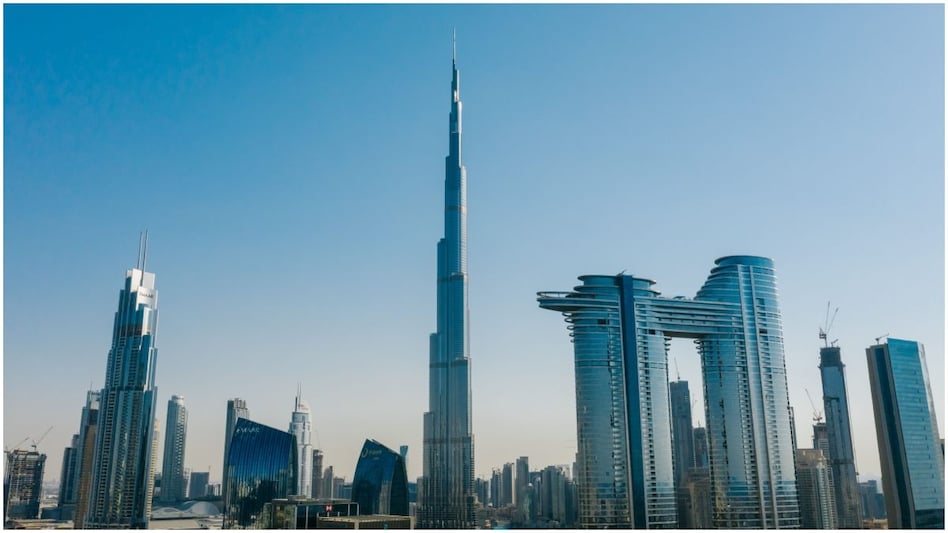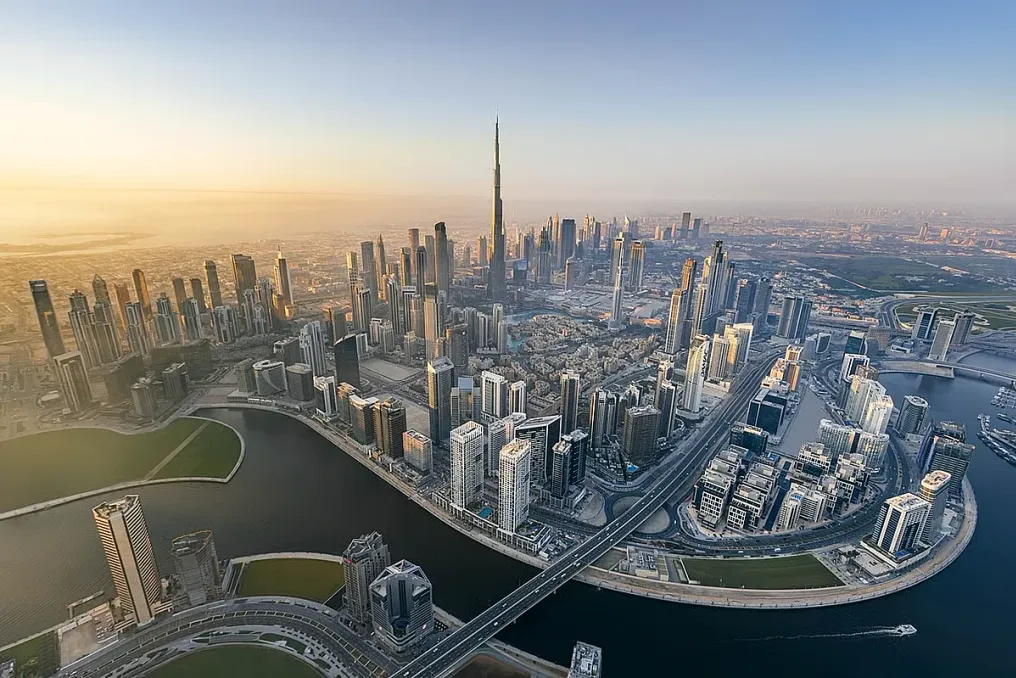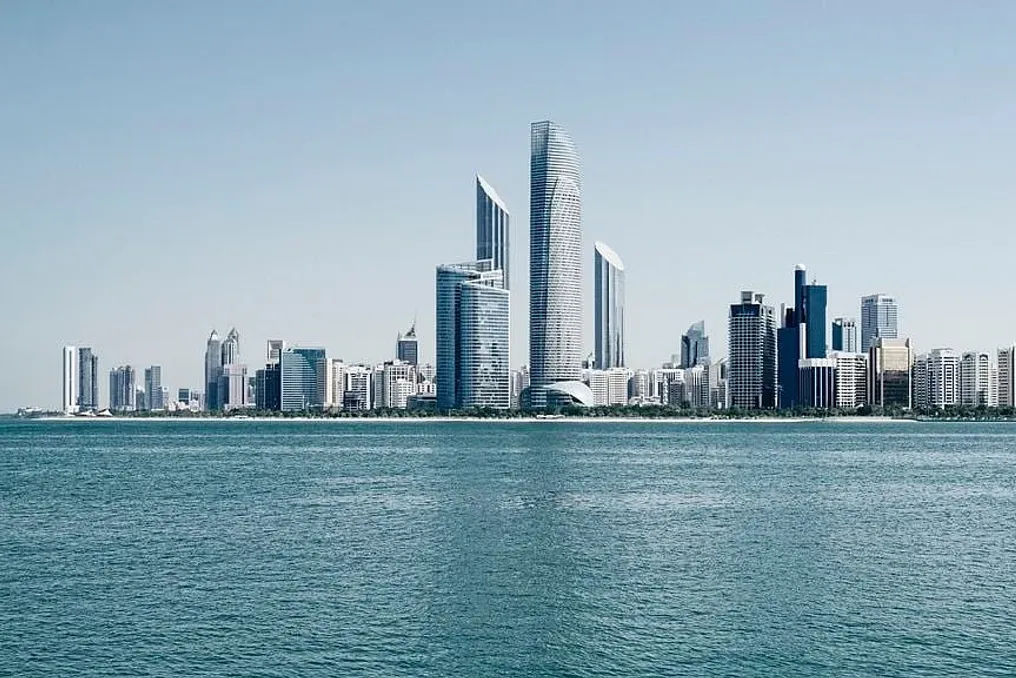
Residential rental markets in Dubai and Abu Dhabi are becoming more favorable for tenants due to slowing rent growth rates and an increase in available housing stock.
In the UAE capital, the rent freeze policy is influencing rates and intensifying competition between existing properties and newly completed projects. Over the past five years, Dubai and Abu Dhabi have shown high rental demand, driven by population growth, expatriate influx, and stable economic activity. However, last year, rent growth began to slow down, and this deceleration became more apparent after the start of the regional crisis in March 2026.
According to S&P Global Ratings data, residential rents in Dubai have started to decline, while rents in the luxury retail and commercial real estate segment remain stable.
Fares Shweiki, Director of Corporate Ratings at S&P Global Ratings, noted that residential leases are typically signed for less than 12 months, allowing conditions to be reviewed relatively quickly upon expiration. This has contributed to rental rates reacting swiftly to increased supply.
Shweiki also pointed to the surplus of residential properties. S&P forecasts a significant influx of new apartments in 2027 and 2028, which will increase Dubai's housing stock by 20 percent. Apartments owned by investors and those under pre-sale contracts are experiencing the most pressure, whereas villas, where less new construction is expected, are holding up better.
According to the consulting firm Cushman & Wakefield Core, active housing construction continued in the second quarter of 2026, with over 13,200 homes completed. These included projects in Sobha Hartland, Damac Lagoons, Jebel Ali Village, Dubai Science Park, and The Valley.
Around 32,000 additional units are expected to be delivered in the second half of 2026, with a substantial development plan extending until 2030.
Shweiki explained the stability of retail and commercial rents due to two reasons: contracts are usually signed for multi-year terms, and the supply of prime retail spaces is limited. Commercial leases show a similar trend, with premium properties maintaining high values. He cited Emaar and Majid Al Futtaim as examples.
Emaar reported that 90 percent of its rental income is secured through contracts, which S&P believes provides structural protection against downturns. In addition to shopping malls, the group generates revenue from hospitality, media, entertainment, and commercial leasing. S&P expects this segment to remain resilient over the next 12–24 months.
The consulting firm Cavendish Maxwell noted that rent growth in Abu Dhabi was moderate: 3.5 percent for apartments and 1.8 percent for villas, as the rent freeze policy began to affect market conditions. The firm added that the expected supply volume will put additional pressure on the market, forecasting approximately 14,600 units delivered in 2027 and 24,200 in 2028.
Abu Dhabi Real Estate Centre (ADREC) announced a temporary rent freeze in June 2026, setting a cap on annual rent increases at 0% instead of the previous 5% until further notice.
The Centre also emphasized that in the foreseeable future, the Abu Dhabi residential market is likely to enter a more cautious phase, with sales activity being sensitive to buyer confidence and new project launch rates. The combination of increased supply and rent freeze policies may limit rent growth and intensify competition between older and newer properties.