Imran Anati, a researcher for the Physicians for Human Rights in Israel (PHRI), told EFE that medical workers are facing problems because they are identified as paramedics, leading to direct attacks.
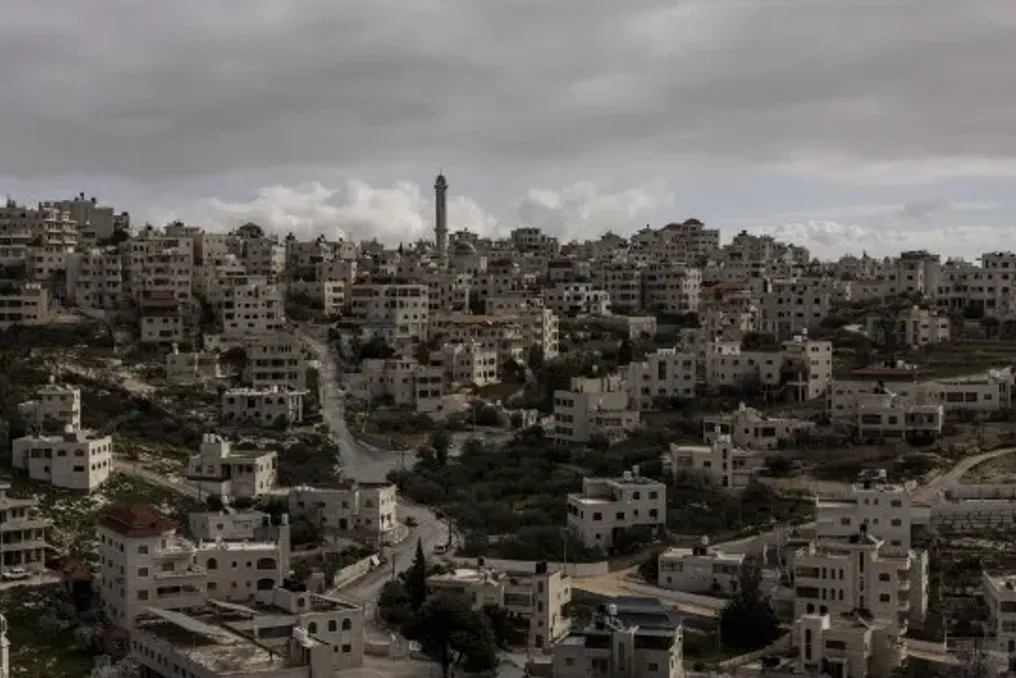
Anati presented a report that was shown to the local Palestinian community of Aqrab, in the northern West Bank, shortly before its official publication. He gave a presentation along with other PHRI members and Palestinian paramedics in the municipal council hall.
Anati emphasized that this report differs from the usual Israeli aggressions against Palestinians in the West Bank that have been happening for decades. He noted that 'Israeli soldiers and settlers operate on the same level, preventing the Palestinian community from existing.'
World Health Organization (WHO) data indicates a sharp rise in attacks on the healthcare system in the West Bank and East Jerusalem: the number of aggressions increased from 93 in 2022 to 233 in 2025. WHO also notes that each registered incident can include several different types of attacks.
According to the PHRI report, this situation has undermined the principle of medical neutrality through three types of aggression: increased blockades and movement restrictions on roads, direct attacks on medical teams, and the normalization of humiliation and intimidation of medical workers.
Paramedic Bashar Karioti told EFE how his ambulance was destroyed: 'All the glass: windows and rear window turned into shards. The body also sustained numerous damages; stones were thrown at the vehicle in different places.' He added that settlers tried to set the vehicle on fire, stating: 'While I was heading to Aqrab, they threw incendiary devices at the ambulance with the intention of burning it.'
Karioti recalled that his life was endangered five times due to direct attacks while working, but he stressed that one of his paramedic colleagues died. This was Mohammed Awad from the Palestinian Red Crescent, who was killed by Israeli settlers' gunfire in April 2024.
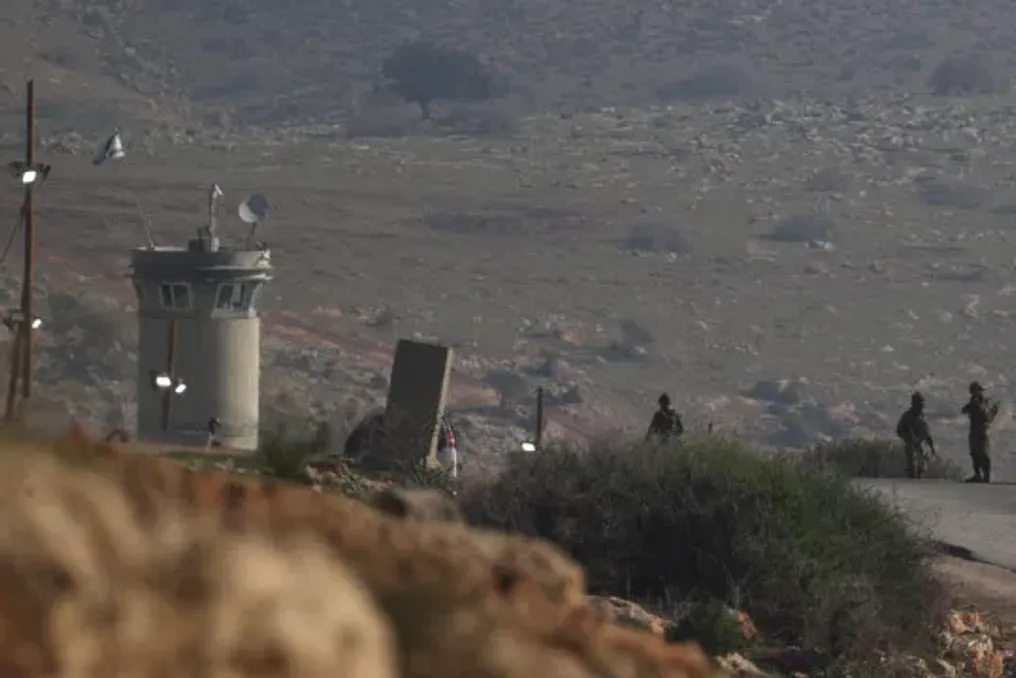
Direct attacks are compounded by a complex system of military checkpoints and gates arbitrarily managed by the Israeli Army, and sometimes by settlers in the West Bank. These obstacles hinder the movement of the local Palestinian population, and for ambulances, lead to the loss of critical time for emergency response.
UN data shows that movement obstacles in this territory increased from 642 in June 2023 to 925 in December 2025.
Nurse Rana described her experience in the report: 'We approached a checkpoint with an injured patient who was bleeding heavily. An Israeli soldier started calling senior officers to ask what to do. They made us wait ten minutes... those were the longest ten minutes of my life.'
The document also describes the psychological burden of working under such levels of violence. Karioti summarizes: 'We have experienced so many aggressions, so many traumatic events... things capable of crushing mountains, and yet we keep moving forward.'
Paramedics surveyed by PHRI report constant anxiety, exhaustion, loss of control, and insomnia. Furthermore, their personal relationships suffer, as many prefer not to tell their families about what they have experienced so as not to worry them. The report warns: 'There is no clear distinction between work and home, because they are volunteers in the same places where they live: places marked by checkpoints, restrictions, and violence.'