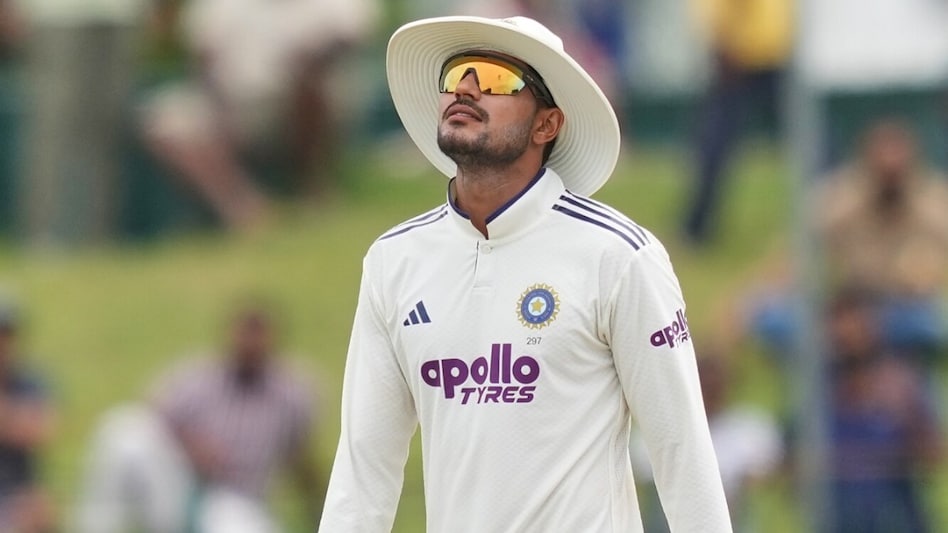
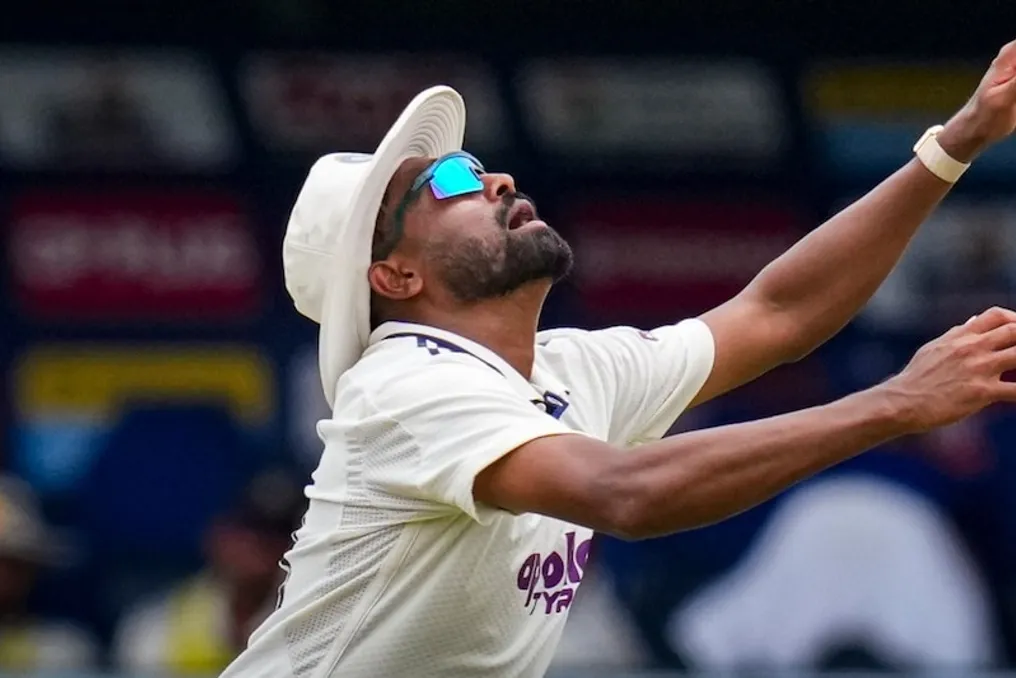
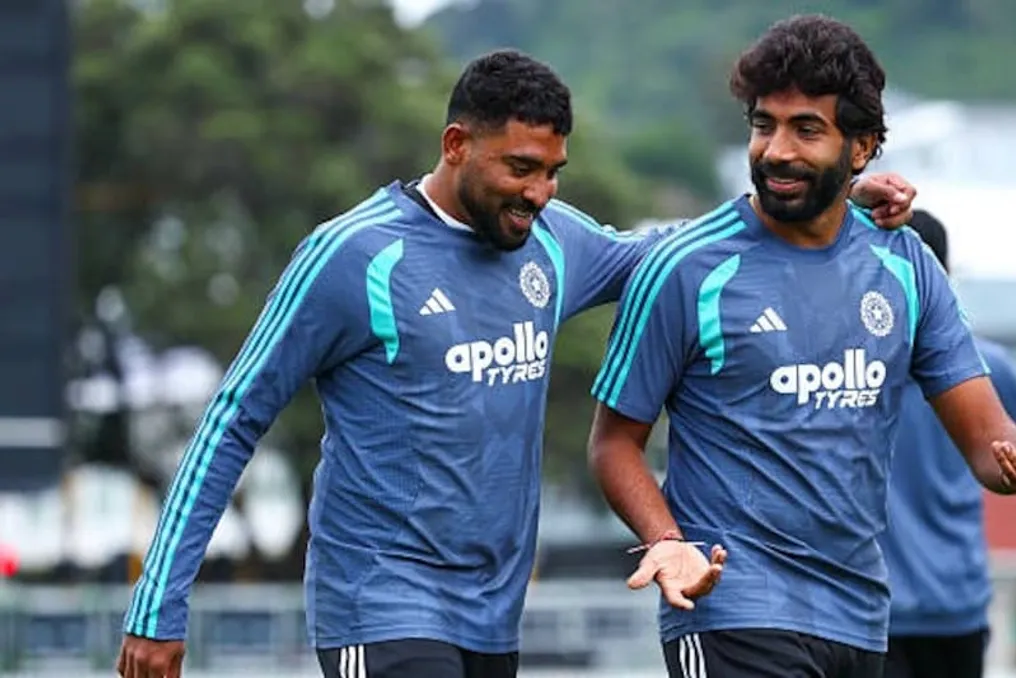
Uncertainty remains regarding Mohammad Siraj's place in the squad ahead of the first Test match against New Zealand. Although bowling coach Monty Morle called Siraj a world-class player, he did not give final clearance for his participation, leaving the decision to captain Shubman Gill.
Morle defended Siraj's preparation and advised Indian bowlers to focus on early removal of lower-order batsmen. When asked if there were questions about Siraj's spot in the team due to recent dip in performance, he declined to give a direct answer.
Morle stated: 'Siraj is a world-class player. Every time he wore the Indian jersey and took the field, he showed good play. I provided feedback to head coach Gautam Gambhir that our attack line is capable of 20 wickets. However, the final decision will be taken by Shubman Gill.'
The bowling coach also dispelled concerns about Siraj's preparation, reporting that he trained on the field for two consecutive days, bowling long spells at the batsmen. He noted that bowlers are usually given a day off before a match for psychological readiness.
He added: 'It seemed to me that Siraj bowled a lot in training. He prepared very diligently for this Test match. We also need to believe in the player's preparation.'
It should be noted that Siraj performed well in the series against England, but his performance in the series against Sri Lanka did not meet expectations, which intensified discussions about his inclusion in the first match against New Zealand.
Morle advised Indian bowlers to ignore external chatter and concentrate on their tactics. He emphasized that India cannot afford to lose points in the race for the World Test Championship (WTC) final, as the team currently ranks fourth in the race for next year.
He said: 'We must ignore the external noise and bowl at the right length. We cannot risk losing points. The team must take responsibility and quickly regain its rhythm. This responsibility lies with both the bowlers and the captain.'
With strong winds in Wellington, bowling may be difficult for Indian pacers. Morle explained that wind direction can affect bowlers' performance. Bowling into the wind can help the ball change trajectory, but this requires bowlers to alter their strategy and length.
He noted: 'When you bowl into the wind, the ball gets some movement. In that case, your approach becomes important. You can hold your bowling action slightly longer.'
According to Morle, the wind is not as strong as in recent weeks. Therefore, bowlers need to constantly assess conditions during the match and adjust their length accordingly. He also advised bowlers to avoid overthinking the pitch and weather.
Morle stressed that dominating the first session is important for winning a Test, but a match cannot be won solely based on the initial period. Bowlers need to continue bowling spells in the fourth and fifth days that change the course of the game.
Morle also emphasized the importance of contributions from the lower-order batsmen. He believes that players from the lower order must also score runs to win a Test match. The Indian team is constantly working on this aspect.
He concluded: 'To win a Test match, you need the contribution of the entire team. We always place great importance on the lower-order players and work extensively with them.'