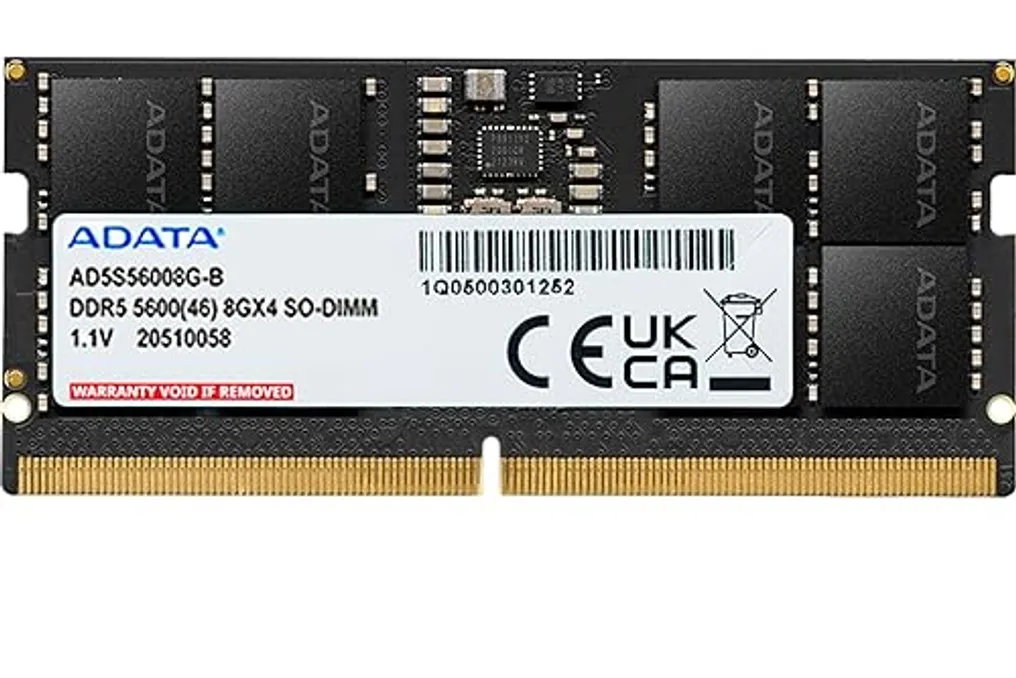
Despite declining sales volumes, Mustek is realizing higher profits on each unit sold because the global chip memory shortage is increasing computer prices.
The technology distributor, whose shares are listed on the JSE, reported on Monday that revenue for the three months ending September 30 increased by 7.6% to R1.83 billion. This growth occurred despite a drop in sales volume. Higher average selling prices, driven by increases in memory and storage prices in US dollars, fully offset the decrease in volume.
Gross margin improved to 13.7% from 12.9% previously, although the comparative quarter was marred by higher inventory provisions. Earnings per share nearly tripled, rising by 195% to 100.23 cents, compared to a low base of 33.99 cents. Net financial expenses decreased by 30% to R16.5 million, and the group's profit share from affiliates more than doubled to R16 million, supported by YOA Cable and Khauleza.
Mustek warned that the quarterly results cannot be extrapolated to the entire year. A significant part of the shortage is linked to the artificial intelligence boom, as demand from AI data centers continues to absorb memory manufacturing capacity. Market researcher TrendForce forecasts sustained supply tightness until 2027.
This memory shortage is negatively impacting PC sales: according to Gartner data cited by Mustek, global shipments fell by 22.4% in the September quarter. Manufacturers are forced to reduce the technical specifications of memory and storage in mainstream models to control costs. Companies are also shifting from mass equipment upgrades to targeted purchases, such as workstations and AI-enabled devices, and customers delaying equipment replacement are likely to use their machines longer.
Mustek's customer structure has undergone sharp changes. Equipment sales to dealers rose by 21.5% to R1.26 billion, and sales to the public sector increased by 27.9% to R350 million. However, sales to retailers dropped by 63%, amounting to R89.6 million compared to R243.9 million.
Cash generated from operating activities decreased from R84.9 million to R6.6 million after Mustek repaid R300.7 million in trade finance loans. Furthermore, the group reported that congestion at the Port of Durban also extended import lead times since mid-August.
The unusual three-month reporting period is due to Mustek's decision in July to change the fiscal year-end date from June 30 to March 31, following the example of its main shareholder, Novus Holdings. The issue of settling Novus's mandatory offer to Mustek minority shareholders is still awaiting confirmation from the Special Takeover Committee. The current financial period is set for nine months until March 31, 2027, and interim results for the six months leading up to December will not be published.