Attero plans to invest 300 billion rupees over the next five years to increase its capacity for extracting critical minerals. This was reported by a senior company official.
Nitin Gupta, Co-founder and CEO of Attero, told PTI that the company intends to increase its total electronic waste processing capacity by more than fourfold, reaching 1 million tons within four years.
Gupta specified that about 40 percent of the planned 300 billion rupee investment in critical mineral facility expansion will be directed towards lithium and nickel, with cobalt also being considered.
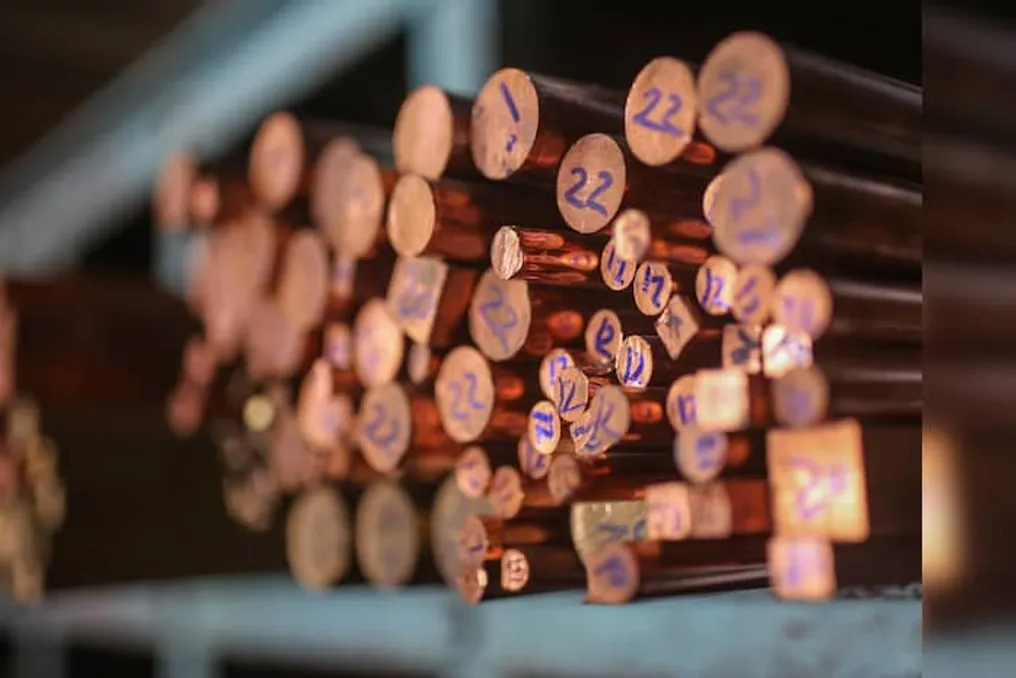
Attero claims to extract over 22 types of critical minerals, including gold, silver, copper, aluminum, nickel, lithium, cobalt, and rare earth elements such as neodymium and dysprosium.
The company's current annual electronic waste processing capacity is about 225,000 tons. The plan is to expand this capacity to one million tons within four years, and also increase lithium and battery recycling capacities by approximately five times over the same period.
Gupta emphasized that India must challenge China's hegemony in critical minerals and start acting as an exporter of these resources. He noted that in addition to secondary raw materials, the country will require primary raw materials that can come from mining in India.
He cited tests on lithium carbonate samples obtained from a mine in Jammu and Kashmir, where about 205 ppm of lithium carbonate was recovered. Furthermore, there are accessible overseas mines and scrap metal. Gupta expressed confidence that the country can transition from an importer to an exporter of critical minerals.
According to Gupta, domestic metal mining and recycling can meet 30 to 80 percent of India's critical mineral needs, with this figure reaching 75-80 percent for rare earth elements.
Currently, the company processes electronic waste at plants located in Rurki, Riengus near Jaipur, and Pune. The company is actively working on opening a new recycling plant in Bangalore and another in Andhra Pradesh. The Bangalore plant is expected to handle about 60,000 tons of electronic waste and should become operational within six months of starting work. Gupta forecasts that all this capacity will be commissioned within five years.
The financing for these facilities will be carried out through a combination of attracting equity capital and debt financing.