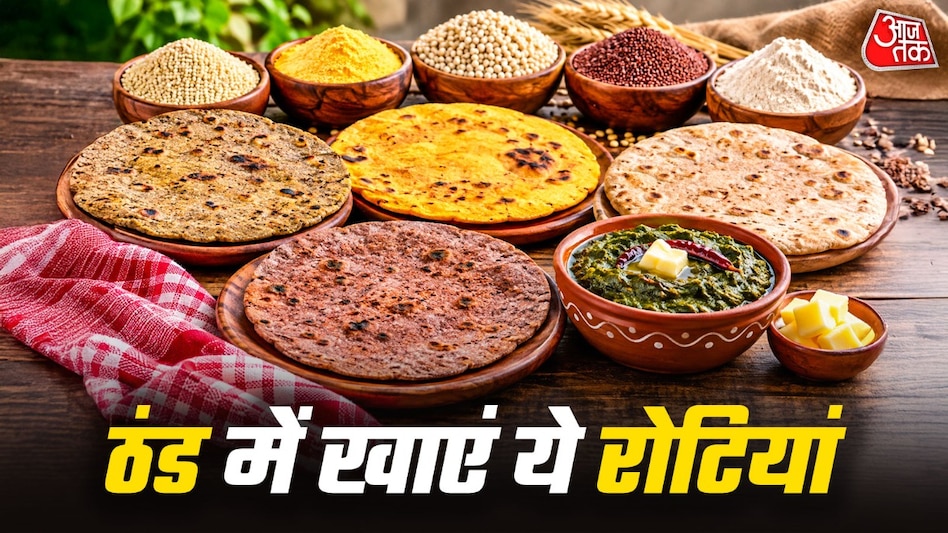
Alternatives to wheat flatbread: the benefits of millet, sorghum, or amaranth rotis
Read more
Aaj Tak
www.aajtak.in

Alternatives to wheat flatbread: the benefits of millet, sorghum, or amaranth rotis

In most Indian households, flatbreads made from wheat flour are prepared daily. A meal consisting of flatbreads with dal, vegetables, or yogurt is part of the daily diet. However, there are other types of flour from which healthy flatbreads can be made besides wheat. Flatbreads made from grains such as millet, sorghum, amaranth, and corn are not only tasty but also contain many essential nutrients.

If you want to add something new to your daily diet, you can consume flatbreads made from other types of flour. Some flours are rich in fiber, while others contain high amounts of calcium, iron, and protein. Below is an overview of seven types of flatbreads that can be included in the diet and their benefits.

Millet flatbreads are especially popular in winter. They contain elements such as iron and magnesium. Millet is also an excellent source of fiber, which helps improve digestion. In winter, millet flatbreads can be combined with stewed cabbage with saffron, honey, or yogurt.

Sorghum flatbreads contain fiber, calcium, and potassium. The fiber in them helps maintain good digestion and prevents constipation. Since sorghum is gluten-free, people avoiding wheat can include it in their diet. Furthermore, it can promote a feeling of prolonged fullness.

Amaranth is considered an excellent source of calcium and also contains iron and fiber. Calcium is necessary for strengthening bones, and fiber is beneficial for digestion. The glycemic index (GI) of amaranth is relatively low, although its effect on blood sugar levels depends on the quantity and overall diet.

Corn flour flatbreads and stewed cabbage with saffron are particularly popular in winter. Corn flour contains fiber and some important vitamins and minerals, providing energy. However, some people may find corn flatbreads heavy, so they should be consumed according to their appetite and digestive condition. They can be served with yogurt or stewed cabbage with saffron.

Lentil flatbread, made from chickpea flour, is an excellent source of protein and fiber. Consuming this flatbread allows you to stay full longer and reduces the problem of frequent hunger pangs. Lentil flatbreads can be combined with green vegetables, yogurt, or chutney. If you want to diversify your daily diet, you can include this flatbread.

Oats contain soluble fiber called beta-glucan, which can be beneficial for controlling cholesterol levels and heart health. Oat flatbreads help maintain a feeling of satiety for longer. For preparation, oat flour can be mixed with wheat flour or other flour.

Rice flour flatbreads are light and gluten-free. People who have problems with wheat products can include them in their diet after consulting a doctor or nutritionist. However, the fiber content in rice flour may be lower than in whole grain flours, so it is best consumed with dal, vegetables, and salads.

It is important to understand that giving up wheat flatbreads is not mandatory, as they contain fiber and B vitamins that contribute to energy intake and improved digestion. Therefore, wheat flour can be combined with flours of other grains depending on preferences and needs. Two or three types of flour can be mixed to achieve a change in taste and absorb nutrients from different grains.

It is important to remember that a flatbread of any single type cannot replace treatment for all diseases or become a weight loss method. The amount of flatbreads, the foods they are eaten with, and the overall diet affect health. If you have problems with diabetes, celiac disease, or digestion, you should consult a specialist before making changes to your diet.
Similar stories

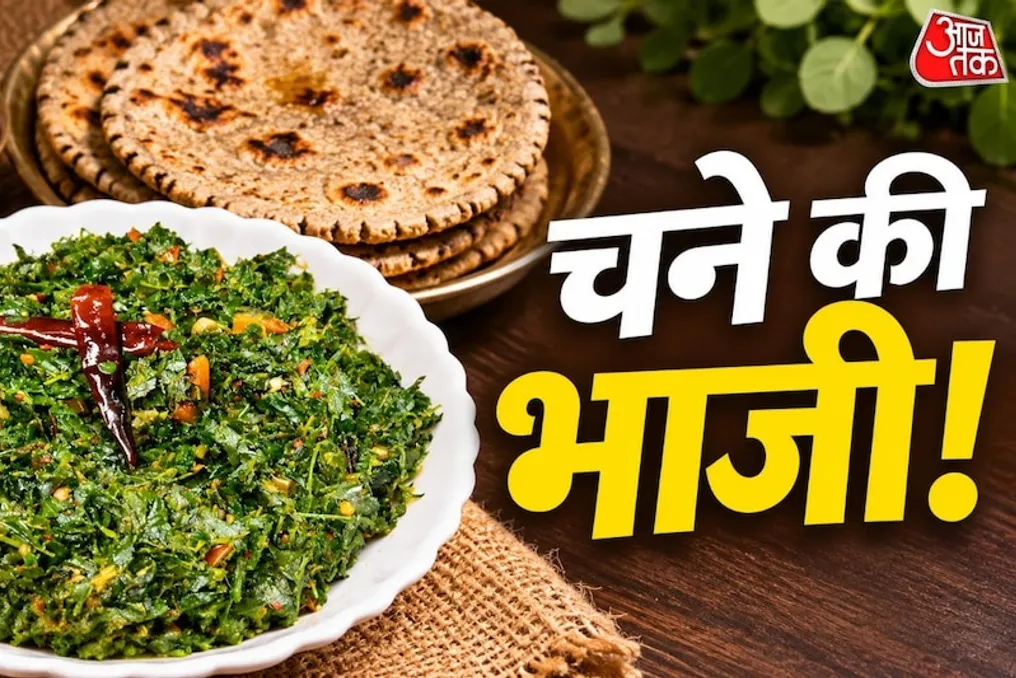
Chana Bhaji Recipe: Prepare Lentil Stew with Besan for Winter Season
Read more
www.aajtak.in

Chana Bhaji Recipe: Prepare Lentil Stew with Besan for Winter Season

As the winter season begins, fresh leafy vegetables appear in the markets, and during this time, people often prepare and eat various types of saag. At the market, you can find vegetables such as spinach, sarso, bathwa, mint, and chana bhaji. Although you have probably tried spinach and mint, it is worth trying chana bhaji in winter because it has a good taste and does not require much effort to prepare.

Chana bhaji pairs very well with millet flatbreads, and it can be made if you want something tasty for lunch or dinner. Although lentil stew is usually cooked at home, chana bhaji turns out to be no less appetizing. A simple recipe for preparing chana bhaji at home is presented below.

Certain ingredients are needed to prepare chana bhaji. The process of making chana bhaji includes the following steps. The text also mentions how to make millet flatbread.

To make millet flatbread, mix two cups of millet flour with half a teaspoon of salt. Then knead the dough with slightly warm water. Form small balls from the dough and roll them into flatbread shapes. After the flatbread is well baked on both sides, brush it with a little ghee and serve hot with chana bhaji. The taste of chana bhaji doubles when eaten with millet flatbread, but it can also be served with rice and dal for lunch.

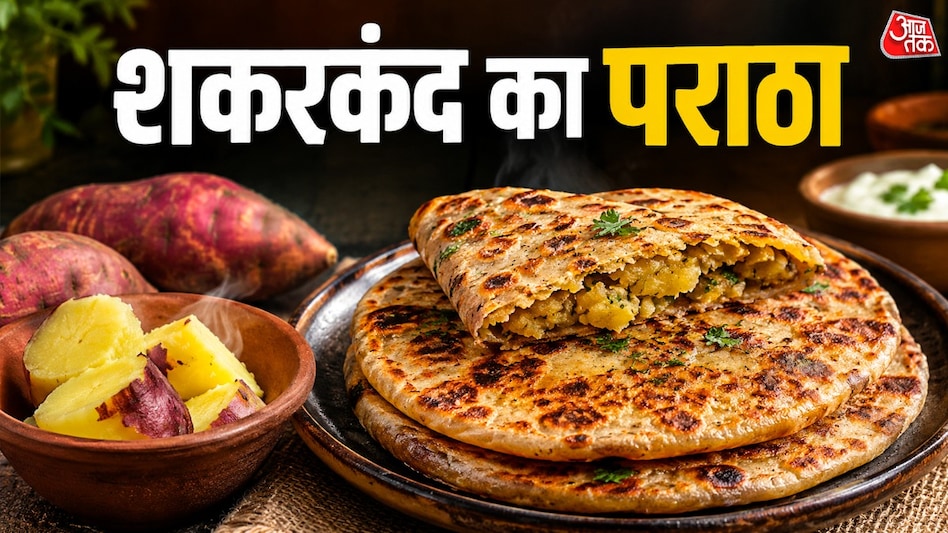
How to Make Delicious and Nutritious Parathas from Flour and Sweet Potato
Read more
www.aajtak.in

How to Make Delicious and Nutritious Parathas from Flour and Sweet Potato

During the winter season, sweet and healthy sweet potatoes are widely available and are very beneficial for health. They are usually boiled or fried, but if you are tired of monotonous eating, try something new for breakfast in cold weather.

Paratha, made from wheat flour and cooked sweet potato, is distinguished by its exceptional taste and soft texture inside. They are liked by everyone, from children to adults, and they are very quick to prepare. Below is the simplest recipe and secret tips.

To prepare, you will need: 2 medium cooked sweet potatoes (peeled and well mashed), 2 cups of wheat flour, half a teaspoon of fennel seeds or cumin, 1 hot pepper (finely chopped, optional), 2 tablespoons of fresh cilantro (finely chopped), salt, and a little red pepper to taste. For frying, it is recommended to use pure ghee or butter.

It is important to use little water when kneading the dough, as sweet potato has natural moisture. First, thoroughly mix the sweet potato with the flour. Regarding spices, if you prefer sweet parathas, you can add a little cardamom powder and maple syrup instead of salt and pepper. For a savory option, the combination of fennel and cumin will provide an excellent flavor.

First, mix the wheat flour with the well-mashed cooked sweet potato in a large bowl. Add the fennel, hot pepper, cilantro, salt, and red pepper, then mix thoroughly by hand. After that, knead a soft and smooth dough, gradually adding a little water, like for a flatbread. Let the dough rest for 10 minutes.

Take a medium portion from the dough, wrap it in dry flour, and roll it into a circle. You can make them plain or stuffed. Heat a skillet over medium heat and place the rolled paratha on it. Fry on both sides, brushing with pure ghee, until they are golden and crispy.

The finished, very nutritious, soft, and delicious sweet potato parathas are ready. They should be served hot with tea, fresh butter, and pickled vegetables.

Comparison of flour mixes: which grains are best suited for winter flatbreads (bajra, makka, ragi)
Read more
www.aajtak.in

Comparison of flour mixes: which grains are best suited for winter flatbreads (bajra, makka, ragi)

As the cold season arrives, dietary habits change. During this time of year, the pleasure of hot flatbread, homemade vegetable ragout, and a small amount of butter becomes twice as pleasant. Flatbreads made from bajra and makka are especially popular in winter. Some people eat wheat flour bread daily, while others include ragi and jowar in their diet.

However, the question arises: which of these grains—bajra, makka, ragi, jowar, or wheat—is the most nutritious to consume during the winter period? The fact is that each of these cereals has its unique properties and nutrients. Next, we will tell you which type of flour is best suited for winter flatbreads and why.

Bajra flour is very popular in winter. It has a distinctive, traditional taste. The pleasure of a hot bajra flatbread eaten with a small amount of ghee, mutton fat, or stewed cabbage is absolutely unique. Bajra contains nutrients such as fiber and iron. Usually, a bajra flatbread turns out thicker and coarser. If you prefer traditional country cuisine in winter, a bajra flatbread can be the best choice for you.

When mentioning makka flatbreads, stewed cabbage comes to mind. This dish is very popular in many regions of Punjab and North India during winter. Makka flour does not have the same elasticity as wheat flour, so rolling it into a flatbread can be a bit more difficult. It is prepared by pressing with hands. Makka flatbreads are not only tasty but also very filling. They can be eaten with stewed cabbage, butter, or honey.

If you want to try a grain other than bajra and makka, you can make a jowar flatbread. Its taste is milder than bajra's. Jowar contains fiber and is naturally gluten-free. Nevertheless, this flour lacks the elasticity of wheat. Therefore, when making a jowar flatbread, it is easier to use slightly warm water and carefully shape the flatbread by hand.

In winter, you can also include ragi flour in your diet. Ragi is also known as nachni. It is rich in nutrients such as calcium, iron, and fiber. Its taste is distinct, and flatbreads made from it are very delicious. Ragi flour is gluten-free, so there may be some difficulties when kneading and rolling the flatbread. For this, slightly warm water can be used. Ragi flatbreads can be served with yogurt, vegetables, or your favorite vegetable ragout.

Wheat flour is used in most Indian homes daily. Its main advantage is that it produces soft and easily rollable flatbreads. Wheat contains gluten, which allows the dough to be kneaded well and the flatbread not to tear. From it, it is easy to make fulkas, chapatis, and parathas. If you like soft flatbreads for daily consumption, wheat flour is a good option.

It cannot be said that one of these five types of flour is absolutely the best for winter. If you prefer a traditional country taste, a bajra flatbread is suitable. Makka flatbreads pair perfectly with stewed cabbage. At the same time, jowar and ragi are the best choice for those who want to consume gluten-free grains. Wheat flour is convenient for daily use. You can also mix a little bajra, jowar, or ragi into wheat flour to get flatbreads that combine the taste and diversity of various grains.

Popular