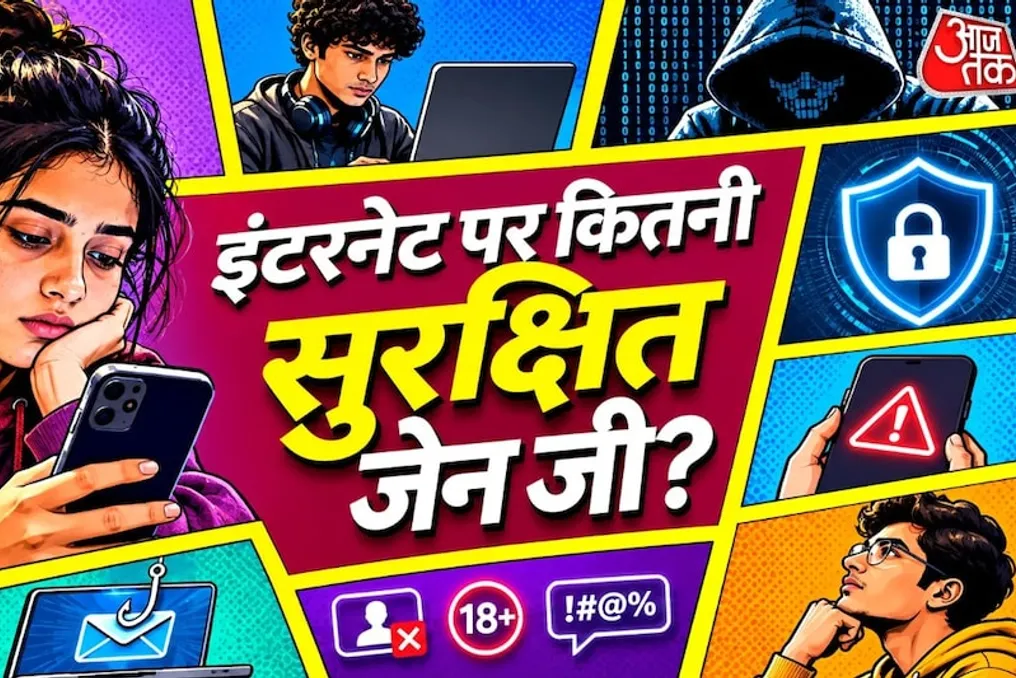
The internet has become an integral part of Generation Z's life, covering education, work, entertainment, and socializing with friends. However, the growing use of the internet raises questions about cybersecurity and various online issues. Sometimes young people face difficulties due to acquaintances.
According to a study conducted by British Asian Trust and BT Group, 3907 young people from 20 Indian states participated. The goal of this research was to understand the online habits, safety concerns, and negative experiences that youth encounter on the internet among participants aged 11 to 30.
Firstly, threats come not only from strangers but also from acquaintances. The report states that 37.9% of young people have experienced unwanted online contact with people they already knew, including friends, classmates, and acquaintances. Furthermore, 23.4% reported similar contacts from unknown individuals. This figure highlights that online safety requires vigilance not only against outsiders but also against people within one's social circle.
Secondly, awareness of blocking and reporting methods remains low. The study found that only 37.1% of young people know how to properly use moderation, blocking, and reporting tools. Moreover, 21% of respondents had no knowledge of these tools.
Thirdly, there is a trend towards prolonged phone usage. According to the study data, daily phone use for three to six hours is a common phenomenon among youth. Additionally, 26% of young people start their day by checking their phones.
Fourthly, extended time spent on the phone affects mental health. The report notes that some young people who use their phones extensively are more likely to complain of fatigue, irritability, and mental exhaustion.
Finally, the fifth point concerns caution when publishing information online. Over 90% of young people refrain from posting anything on the internet. This indicates that young people are cautious about their personal information and online identity.
These statistics clearly show that the internet is as beneficial to youth as it requires responsible use. Online safety for Generation Z involves not only strong passwords but also understanding whom to communicate with, what can be posted, and where to seek help if problems arise.