Bilateral cricket series are not held between India and Pakistan because the distance in relations between the two countries is maintained due to the political situation. Nevertheless, teams from both countries constantly face each other within multinational competitions, whether it is the Asia Cup for senior teams, the U-19 Asia Cup, or tournaments for rising stars.
Since September 2025, 14 matches have taken place between India and Pakistan. Notably, the number of games per year was higher than when bilateral matches were held. This raises a question about the nature of this rivalry: why is there a refusal of bilateral series, yet a constant number of encounters in tournaments?
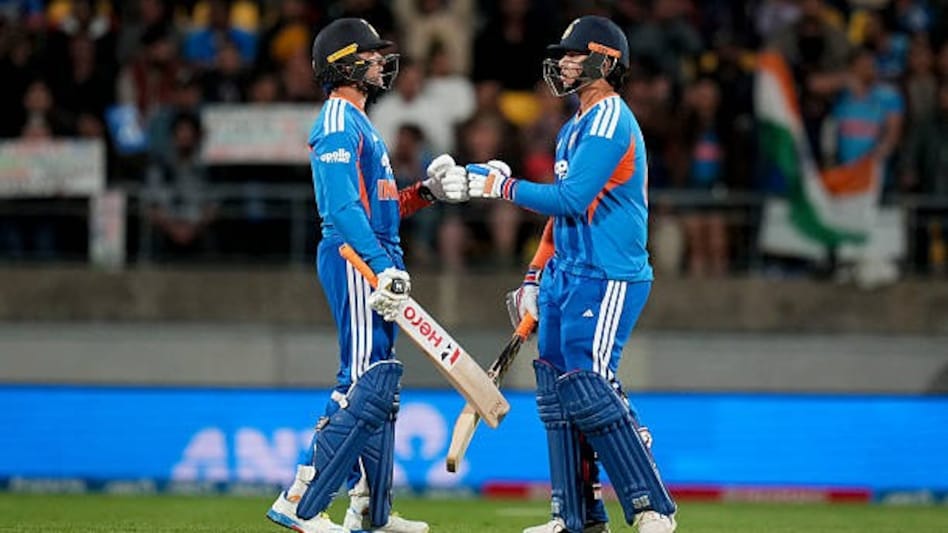
Another match between India and Pakistan took place in Doha on Sunday. Virat Kohli and Rohit Sharma did not participate, and it was neither a U-19 nor a women's cricket match. It was a group game in the Rising Stars Asia Cup between India A and Pakistan A. The Indian team, led by Tilak Verma, included players such as Abhishek Sharma and Vaibhav Suryavanshi, and lost to India by 48 runs.
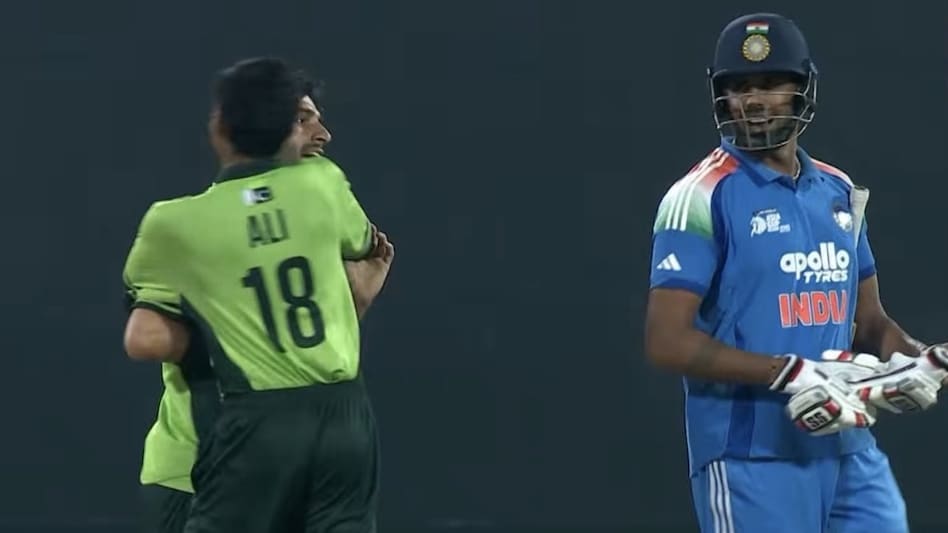
During the match, not only sporting moments but also verbal altercations and tension between players were observed. The match started on Sunday at 15:30 Indian time and finished on Monday at 00:20, taking about nine hours to complete 100 overs. The game was repeatedly interrupted due to disputes between players, requiring significant effort from the umpires.
On the same day, the first Test between India and New Zealand was taking place in Wellington, starting at 03:30 Indian time. Thus, cricket fans had the opportunity to watch cricket for about 21 hours in one day, which could rather be called 'cricket overdose' than a 'super Sunday.'
The match in Doha was the second meeting between India and Pakistan within eight days. Previously, on November 14, both teams met in the Asia Cup U-19 final, where India defeated Pakistan to win the title, scoring 338 runs with one wicket remaining.
However, this trend is not limited to these two matches. Since the men's senior Asia Cup in September 2025, the teams of India and Pakistan have played 14 times, including competitions for senior, A-teams, and youth categories. This figure is important given the ban on bilateral cricket relations between the two countries.
One can recall the example of 2007, when the last bilateral Test series between India and Pakistan was held. That year, there were only 10 international matches between the two countries: five ODIs, three Tests, and two T20 World Cup matches. That is, during the period when bilateral matches were held, the annual volume of games was 10, whereas today the teams meet 14 times without bilateral series.
The question arises: what is this restriction? If the teams of India and Pakistan are willing to play in multinational tournaments, why is there such an avoidance of bilateral series? Is the principle of playing cricket changing depending on the tournament format and potential commercial gain?
The contests between India and Pakistan are among the most watched cricket matches in the world. As broadcasters and cricket boards know, the commercial significance of these encounters is high. This is why the probability of the teams facing each other in the same group in multinational tournaments is almost guaranteed, and the knockout format opens the way for additional matches.
Active advertising begins before the match, which is called the 'Mother of all Battles'. Promotional videos are shown on television, and an atmosphere is created on social media, trying to leverage the interest of millions of viewers. There is nothing wrong with the cricket business developing according to audience preferences. However, the question arises when these matches are repeated again and again for commercial gain, even though they could be held in the format of a bilateral series.
The Asian Cricket Council (ACC), both cricket boards, and broadcasters must answer this paradox. Is the number of India-Pakistan matches determined by the needs of the tournament or by how much profit can be made from another match?
It is also necessary to understand that tournaments at the A-team and U-19 levels are important. Young athletes gain international experience and the opportunity to play under pressure. But it is natural to ask about the motivation behind organizing such a number of tournaments and turning India-Pakistan matches into the main attraction. Has the market value of India-Pakistan matches become more important than the development of young cricket?
Another worrying aspect of this story is the behavior of players on the field. India-Pakistan matches have always been known for tension and excitement. However, recently, more attention has been paid to players' gestures than to the game itself.