Air quality worsens in Delhi and Mumbai: AQI exceeds thresholds in both cities
Read more
Aaj Tak
www.aajtak.in

Air quality worsens in Delhi and Mumbai: AQI exceeds thresholds in both cities

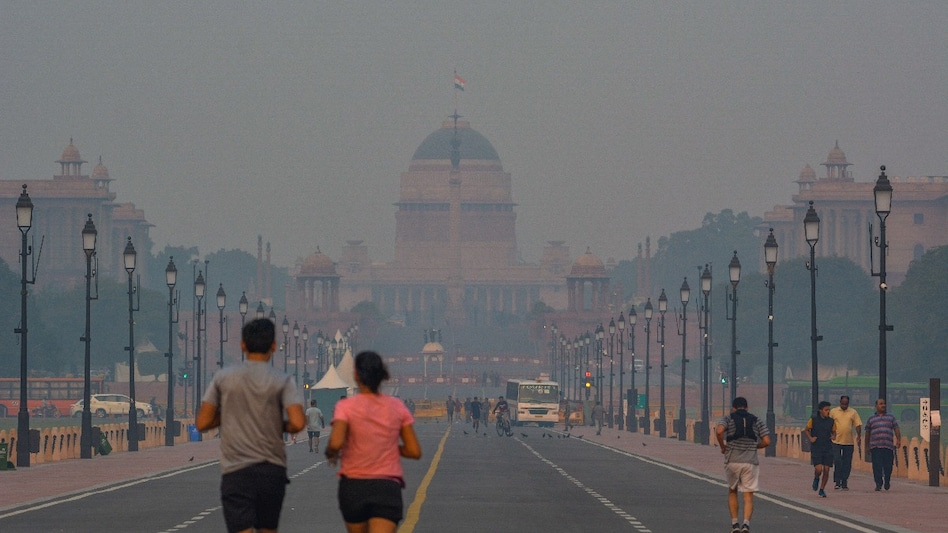
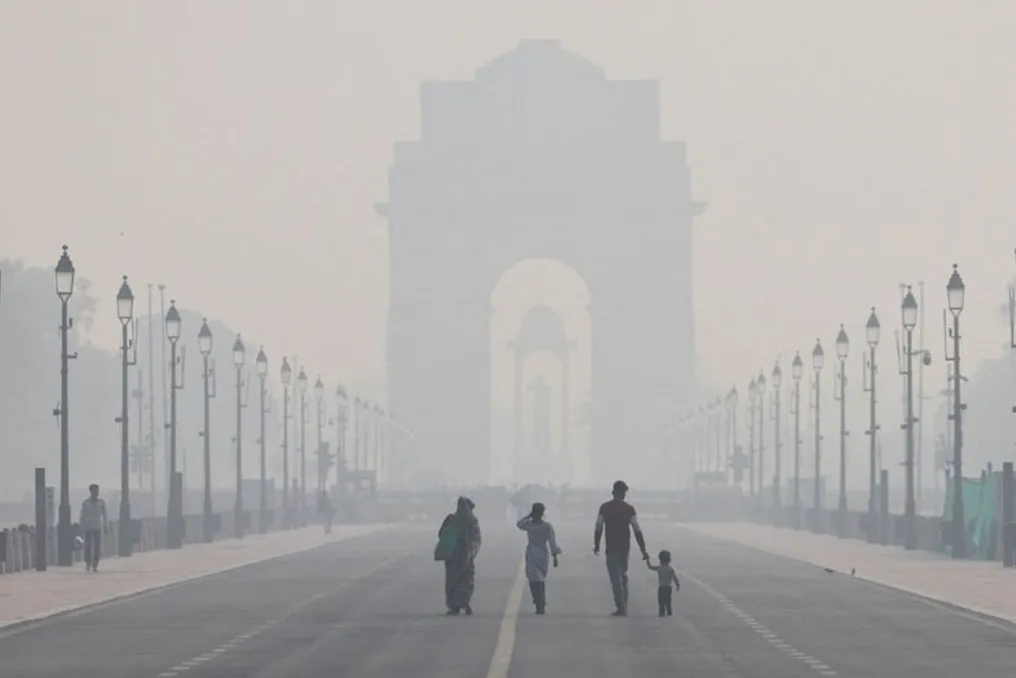
In the capital region of Delhi, air quality has begun to deteriorate again after a slight improvement. Although the Air Quality Index (AQI) was below 200 in most areas of Delhi on Sunday, the air became unfavorable again on Monday. A dense smog layer was observed near the Yamuna River, where an AQI of 297 was recorded.

The air pollution problem is not only present in Delhi but also in the state of Maharashtra. In Delhi, light morning fog has started with the onset of winter. Similarly, in Mumbai, the AQI remains in the poor quality category.

On Monday, the Dadar, Bandra, and Bandra-Versova bridge areas in Mumbai were covered in haze. Mumbai registered an AQI of 321, corresponding to the very poor air quality category. Meanwhile, the atmosphere quality in Delhi is classified as poor.

According to CPCB data, the average AQI in Delhi on Monday was 243. An index of 237 was recorded in the areas around Akshardham Temple and Anand Vihar, which falls into the poor quality category. In Connaught Place, the AQI remained at 225. Other recorded values include 337 in Sirfort, 323 in the Maydanagarh and NSUT Jafarpur areas, 315 in Taltora Garden, and 274 in the Pusa area.

Air quality deterioration was also noted in the NCR region. The AQI was 236 in Ghaziabad and 228 in Greater Noida.

According to CPCB standards, an AQI from 0 to 50 is considered good, 51 to 100 is satisfactory, 101 to 200 is moderate, 201 to 300 is poor, 301 to 400 is very poor, and 401 to 500 is hazardous. Currently, pollution in Delhi NCR poses a serious health risk to the population. Rising pollution levels can increase risks for people suffering from heart and respiratory diseases.
Similar stories

Air Pollution and Cold Intensify in Delhi; AQI Remains High
Read more
www.aajtak.in

Air Pollution and Cold Intensify in Delhi; AQI Remains High

Delhi is experiencing deteriorating air quality amid intensifying cold weather. The Air Quality Index (AQI) in many areas is classified as 'poor,' and the temperature has dropped to 10.6 degrees Celsius. The share of biomass burning reached 33.3 percent.

Forecasts indicate that the air will remain 'very poor' from Friday until November 22nd and for six more days after that date, although experts believe the peak pollution has already passed. Previously, on Thursday, the AQI was 280, on Wednesday it was 232, and on Tuesday it was 204.

On Friday morning at 7:30 AM, an AQI of 267 was recorded in the Anand Vihar area, which, according to data from the Central Pollution Control Board (CPCB), falls under the 'poor' category. Similarly, at 7:30 AM in the Akshardham area, an AQI of 267 was registered.

At 7:00 AM in the ITO area, a higher AQI reading of 322 was recorded, which CPCB classifies as 'very poor.'

Satellite monitoring showed field fires in Delhi on Tuesday and Wednesday. On Wednesday, 772 incidents were registered across seven states: 370 in Madhya Pradesh, 202 in Punjab, 109 in Uttar Pradesh, 59 in Rajasthan, 30 in Haryana, and one incident each in Delhi and Uttarakhand.

Biomass burning, including agricultural residue (parali), wood, and fuel briquettes, contributed the most to the pollution, increasing by 24% compared to Wednesday and by 18% compared to Tuesday. Other pollution sources included waste burning with plastic and rubber (19.7%), vehicles (18%), secondary organic aerosols (14.1%), secondary inorganic aerosols (9.5%), coal (1.8%), industry and fireworks (1.5%), and road dust and soil (0.7%).

Meteorologist Navdeep Dahiya noted on social media that the peak pollution in Delhi and NCR, as well as in the northern plains, is beginning to subside. He predicts that the AQI will rise during the night and early morning, but it will remain within the range of 90–200 over the month. Relief is possible towards the end of the week due to easterly winds, while next week is expected to see the return of northwesterly winds with strong daytime gusts. The probability of the pollution becoming more hazardous is decreasing.

Air quality in Delhi and NCR worsens: AQI exceeds 400 in Noida and Gurugram
Read more
www.aajtak.in

Air quality in Delhi and NCR worsens: AQI exceeds 400 in Noida and Gurugram

The air pollution problem has once again caused concern among residents of Delhi-NCR. On Friday morning, the overall Air Quality Index (AQI) in the capital exceeded the 400 mark. In the Anand Vihar area, this figure reached 414. The air situation remains severe in Noida, Ghaziabad, and Gurugram, indicating that the impact of pollution is felt across the entire NCR region.

According to data collected at 5:05 AM, all major cities in Delhi-NCR recorded poor air quality. In Anand Vihar, the AQI reached 414; in Ghaziabad, it was 377; in Noida, 369; and in Gurugram, 349. This shows that the problem is not limited to Delhi, and the air in neighboring cities has also become unfit for breathing.

In the Anand Vihar area of Delhi, an AQI of 414 was recorded, indicating an extremely unfavorable air condition. The AQI reflects the level of atmospheric pollution; the higher this index, the worse the air quality. Exceeding the 400 mark raises serious concerns regarding public health.

The AQI serves as an indicator of air purity or pollution. An increase in this index signifies a deterioration in atmospheric quality. Therefore, reaching an overall AQI above 400 in Delhi is a cause for concern.

The pollution problem in Delhi-NCR has persisted for several days. On November 11th at 6 AM, the AQI in Delhi was 299, while in Noida it was 276, and in Gurugram it was 295. However, on Friday morning, the air situation in Delhi looked even worse. Previously, on October 12th, regulations in Delhi-NCR had already been tightened. On Thursday morning, the AQI in Delhi was registered at 319, while dense smog was observed in the Akshardham area. Pollution was also recorded near MIS, JLN stadium, and Sarai Kale Khan.

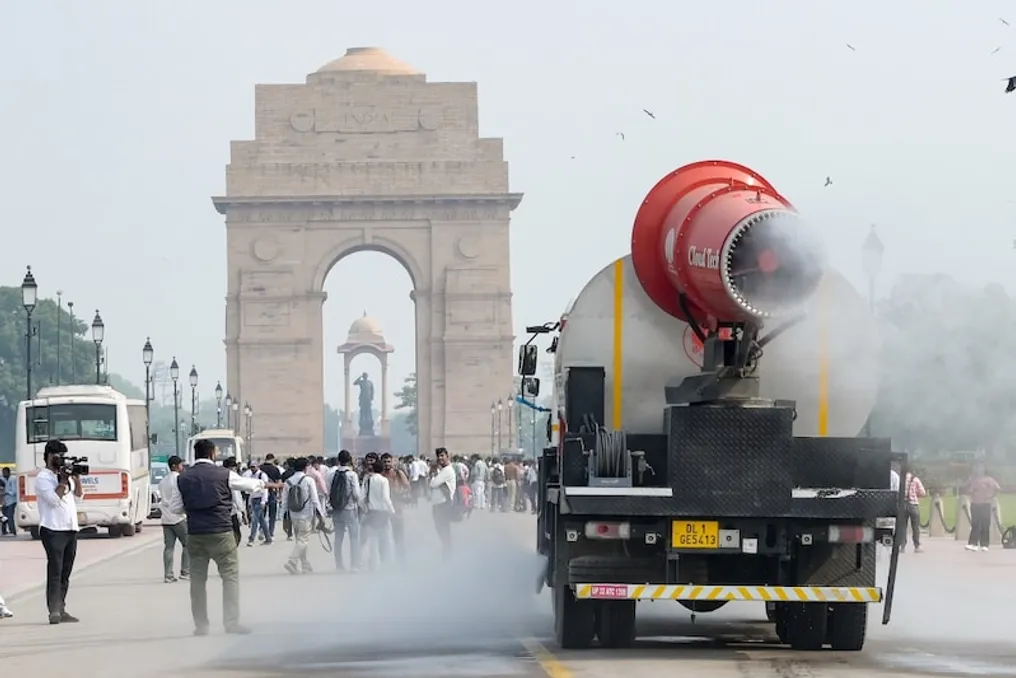
Due to pollution in Ghaziabad, directives were issued to suspend public and private construction work until November 20th. Work related to building demolition was also prohibited. Orders were given to double the street cleaning using machinery and water spraying. Furthermore, in Noida, Greater Noida, and Ghaziabad, instructions were issued to conduct training for children up to the fifth grade in a hybrid format, allowing children to study online or attend school.

Current data shows that the overall AQI in Delhi exceeds 400. The reading in Anand Vihar is 414. Data from Noida, Ghaziabad, and Gurugram confirms that there are no signs of improvement in the pollution situation in Delhi-NCR.

Air pollution levels in Delhi improved after Diwali due to strong winds, but AQI remains in the poor category
Read more
www.aajtak.in

Air pollution levels in Delhi improved after Diwali due to strong winds, but AQI remains in the poor category

Despite the heavy use of fireworks after the Diwali festival, air pollution levels in the Delhi-NCR region were lower than expected thanks to strong winds. Nevertheless, the Air Quality Index (AQI) remains in the extremely poor category.

In areas such as Burari, Jahangirpuri, and Sonia Vihar, the AQI exceeded the mark of 400. Visibility is also deteriorating due to smog and fog.

Furthermore, political statements regarding stubble burning have intensified, along with data obtained from air monitoring weather stations.

Popular