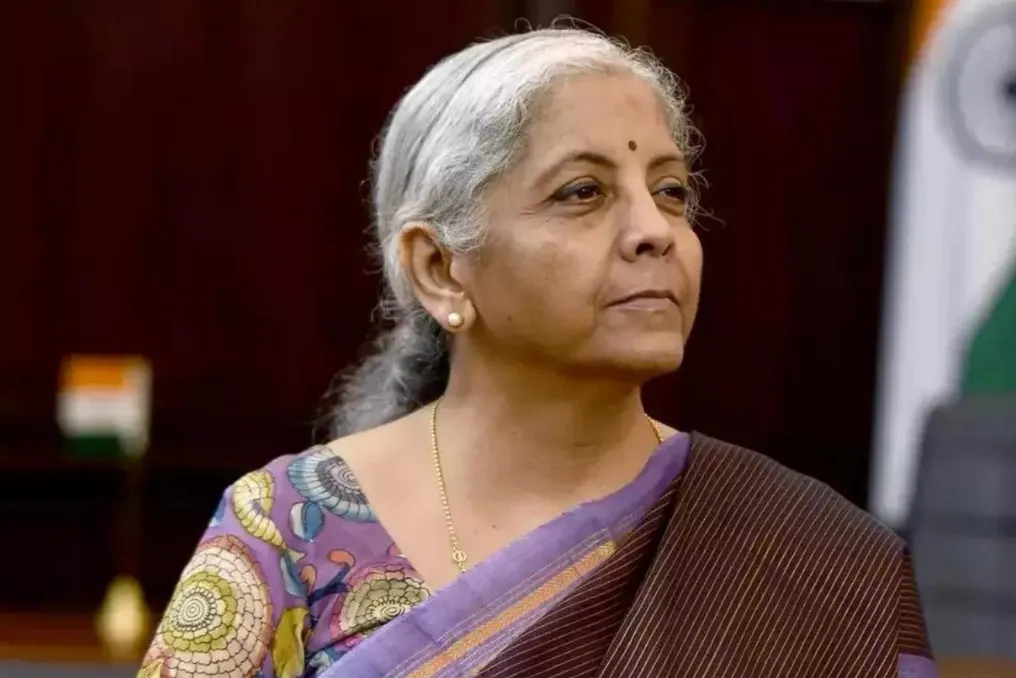
During a visit to Kiphire, an area with high ambitions in the remote hills of Nagaland, the article's author spoke with tribal women from local self-help groups. Among them was Esther, who received the title Lakhpati Didi, proudly recounting how her rice-based products reach online buyers far beyond Nagaland.
Previously, the common approach was simply to transfer money to the poor, assuming that poverty would resolve itself.
Targeted, Focused, and Adapted Approach
Poverty is not merely a lack of income or wages. A household lacking a reliable roof, safe water, sanitation, or medical care remains vulnerable, even if its income increases. A single illness can wipe out savings and push a family back into poverty. Therefore, the government has taken measures specifically aimed at the needy, focusing on measurable results and adapting interventions to the degree of need they are meant to address.
Health and Dignity Start at Home
A family cannot escape poverty as long as illness and the daily necessity of fetching water drag it backward. Thanks to the Swachh Bharat program, access to toilets in homes has improved, enhancing sanitary conditions and helping to prevent an estimated 60,000 to 70,000 infant deaths annually. The Jal Jeevan Mission has expanded piped water connections in rural areas from approximately 30 million households in 2019 to nearly 160 million. The Ujjwala program allowed for the use of cleaner, smokeless kitchens, while the PM Awas scheme provided security and dignity through permanent housing. The Ayushman Bharat program strengthened financial protection against medical expenses.
From Bank Account to Enterprise
Safety nets prevent families from slipping back into poverty; to move beyond that, they need earning opportunities. For tens of millions of people, this journey began with a bank account. Over 590 million Jan Dhan accounts allow subsidies to reach recipients directly, bypassing intermediaries. Two months ago, while speaking with Mudra beneficiaries, the author met Sushmita Ghari from West Bengal. She lost her father during the pandemic, and her family's printing business collapsed. The interest-free Mudra loan helped her restart the print shop. Today, she employs eight people, double the original number, and plans to expand into digital printing. What impressed the author greatly was her determination to recover and grow.
For generations, poverty was viewed as something India could manage but never eradicate. What seemed unimaginable ten years ago has now been achieved thanks to years of systematic work.