How to Revitalize Withered Plants in Winter: 5 Tips for a Blooming Balcony
Read more
Aaj Tak
www.aajtak.in

How to Revitalize Withered Plants in Winter: 5 Tips for a Blooming Balcony

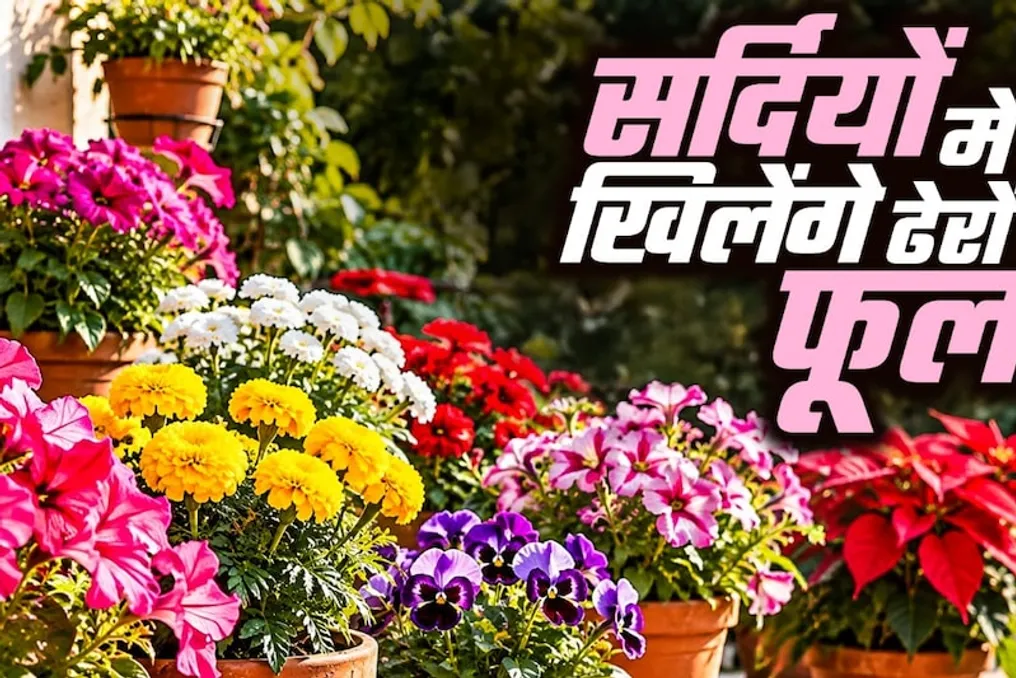
With the arrival of winter, many people enjoy planting flowering plants in their gardens and on their balconies. When colorful flowers bloom on the balcony during the cold season, the home looks very beautiful. During this season, the garden is filled with colors such as marigolds, roses, petunias, and dahlias. However, despite careful plant care, a small number of flowers is often observed. Some plants actively grow leaves, but buds do not appear, and sometimes flowers begin to wither prematurely.

If your garden is in a similar condition, there is no need to worry. In fact, in winter, plants do not just need watering; they also require proper lighting, fertilizers, and soil care. By following a few simple rules, you can keep your garden blooming. Below are five simple tips that will help your plants flower abundantly even in winter.

1. Show plants the sun daily: Due to reduced sunlight and increased cold in winter, plant growth suffers. Flowering plants require good light for healthy development and bud formation. Therefore, pots should be placed in a location where the plants can receive direct sunlight for several hours daily. If your plants are on a balcony, place them in a sunny spot. This will help the plants grow and ensure beautiful flowering.

2. Loosen the soil periodically: If you want your plants to bloom profusely, it is crucial to monitor the condition of their soil. Sometimes constant watering leads to the hardening of the soil in the pot, which prevents air from properly reaching the roots. In such cases, light loosening of the soil in the pots should be carried out from time to time. A small cultivator can be used for this. It is important not to damage the plant's roots when loosening. This will maintain air circulation in the soil and help the roots develop.

3. Apply fertilizer for good flower growth: To make plants produce more flowers, they must be provided with proper nutrition. This requires regular fertilization. You can use vermicompost or other organic fertilizers suitable for your plants. Liquid fertilizers can also be used. This provides the plants with necessary nutrients and improves their growth. However, it should be remembered that even a beneficial thing can be harmful if used or applied in excess. Therefore, fertilizer should always be applied in limited amounts.

4. Do not make this mistake when watering: Plants require less water in winter compared to summer. Under these conditions, daily watering without checking the soil condition can harm the plants. Excess water can lead to root rot and plant wilting. Therefore, water based on the condition of the soil in the pot. Water only when the top layer of the soil has dried, according to the needs. Additionally, ensure that the pots have drainage holes so that excess water can flow out.

5. Remove dry leaves and withered flowers: Regular care is necessary for new flowers and buds to appear. Sometimes old, dried flowers remain on the plants, and leaves begin to wither. In such cases, they should be removed from the plants. Clean scissors can be used for this purpose. This maintains the cleanliness of the plant and promotes the growth of new leaves and flowers. When pruning, avoid unnecessarily cutting green and healthy leaves.

Similar stories

How to make nutritious organic fertilizer from flowers after religious rituals
Read more
www.aajtak.in

How to make nutritious organic fertilizer from flowers after religious rituals

Flowers used after religious ceremonies should not be thrown in the trash. You can prepare a nutrient-rich organic fertilizer for houseplants using readily available materials.

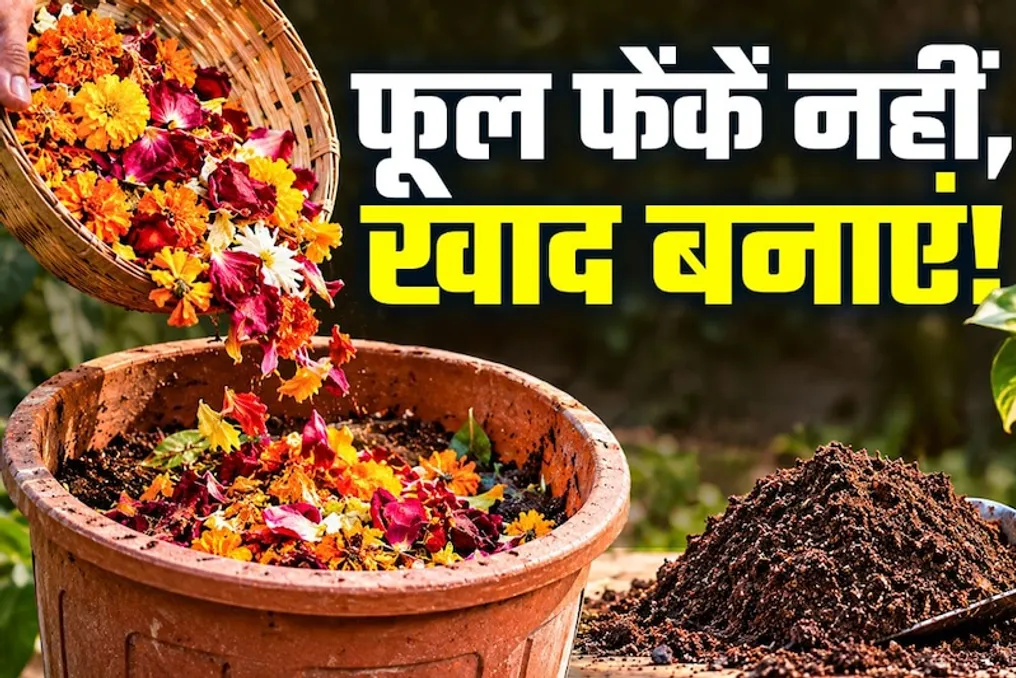
During holidays such as Diwali, people decorate homes with marigold garlands and create floral patterns (rangoli) from roses and other flowers. Flowers are also used in daily worship. However, once they wilt, most people simply throw them away. Nevertheless, it is known that excellent organic fertilizer for indoor plants can be made from these flowers without buying expensive fertilizers.

For this, you only need an old bucket or pot that you have at home. Below is a simple method for creating fertilizer from wilted flowers that will help your plants stay green.

To begin the fertilizer preparation process, collect the flowers used during Diwali. The mixture can include petals and green stems of marigolds, roses, and other flowers. It is important to carefully remove any plastic decorations, wire, ribbons, and foam that may have remained with the flowers, as the fertilizer must contain only natural components.

After collecting the flowers, cut them into small pieces using scissors. This approach speeds up the decomposition process of the flowers and simplifies the formation of the fertilizer. If the flowers are too wet, they should be kept in the shade to allow excess moisture to evaporate before starting the preparation.

No special expensive composting bin is required for this purpose. You can use an old plastic bucket, a clay pot, or any large box you have at home. The main condition is to ensure that the container has small holes for air circulation.

It is also recommended to add some dry material to the mixture. This prevents excessive moisture in the fertilizer and reduces the likelihood of unpleasant odors.

Maintaining a certain level of moisture during the fertilizer preparation process is critical. You need to check the mixture periodically: if it seems too dry, lightly spray it with water; if there is an accumulation of excess water, add some dry leaves. It is important that the mixture retains slight moisture, rather than standing water. Furthermore, the container should not be sealed tightly, as air access is necessary for the composting process.

Simply placing flowers and leaves in a container is not enough to obtain quality fertilizer. The contents must be regularly mixed. Every 7–10 days, gently turn the mixture using a wooden tool. This ensures air enters the fertilizer and accelerates the decomposition of the flowers. Typically, preparing such fertilizer takes two to three months or even longer.

The fertilizer is considered ready when the flowers, leaves, and other added materials have completely decomposed and resemble soil. Well-matured compost has a dark brown color, a loose texture, and a pleasant earthy aroma. If fragments of flowers are still visible or a smell appears, it means it is not yet ready for use.

After the fertilizer is fully prepared, it can be strained and added in small portions to the potting soil. This helps increase the amount of organic matter in the soil. However, you should avoid piling a large amount of fertilizer directly at the base of the plants; it must be evenly mixed with the pot soil before use.

Plant 6 beautiful potted plants to keep your home and yard blooming year-round
Read more
www.aajtak.in

Plant 6 beautiful potted plants to keep your home and yard blooming year-round

If colorful flowers bloom on the balcony, roof, or in the yard of your home, the entire house begins to look beautiful. Waking up in the morning to see fresh flowers on the plants brings joy. However, a common problem arises: some plants bloom for only one or two months, and their beauty fades with changing weather, leaving the garden looking empty.

If you want your home to always have an atmosphere of blooming, you should choose plants that flower for a long time. There are many such beautiful flowering plants that, with proper care, produce flowers for most of the year. Their feature is that they do not require a large garden or much space to be planted; they are easy to grow in pots on a small balcony.

Below are 6 such plants that bloom year-round.

SadaБахар is a plant that blooms profusely for a long time. Its small flowers come in pink, white, and dark pink shades. It grows well even in heat and requires less care compared to many other flowering plants. It can even be planted in small pots.

How to care for it: The SadaБахар plant should be placed in a sunny spot. Water should not accumulate in the soil. Water only when the top layer of the soil has dried out. Overwatering can damage the roots. It is important to remember that this plant can be poisonous if ingested, so keep it away from small children and pets.

If you like to see a large number of small flowers at once, you can plant Rangaan at home. It blooms in clusters of red, orange, yellow, and pink flowers. These flowers look very attractive and give the garden a lush appearance. In warm and humid climates, this plant can bloom for a long time.

How to care for it: The Rangaan plant can be planted in a sunny or semi-shaded area. Choose soil that drains water easily. Water the plant regularly and apply fertilizer for flowering plants once a month. Periodically remove withered flower clusters.

If you want to make the wall, roof, or balcony of your home colorful, bougainvillea can be a good choice. Its flowers, in shades of pink, purple, orange, white, and red, cover the entire plant. This plant grows well in bright sun and blooms for many months of the year. It can be easily grown even in large pots.

How to care for it: Bougainvillea needs to be placed where there is plenty of sunlight. This plant does not need excessive water. After it has established itself well, water only after the soil dries out. Do not fertilize it too heavily, otherwise, more leaves may appear instead of flowers. There are thorns on the branches of this plant, so wear gloves when pruning.

Kankambaram is known for its beautiful orange and yellow flowers. The shape of these flowers resembles a fan. These flowers are widely used in South India. In India, they are also used to make garlands and wreaths. With proper care in warm regions, this plant can bloom for a long time. It can be planted in a pot to enhance the beauty of the balcony.

How to care for it: The Kankambaram plant should be placed in a well-lit area, but without overly intense direct sun. Maintain light soil moisture, preventing water accumulation. Occasionally add a little fertilizer and remove withered flowers. In winter, it should be protected from severe cold.

The Chandini plant is also on this list. It is known for its white and beautiful flowers. Its flowers have a wheel-like shape, and the light fragrance emanating from them in the evening makes the surrounding atmosphere pleasant. This plant has lush green foliage and can bloom for most of the year in warm regions. It is easy to plant in the yard and in the home garden.

How to care for it: The Chandini plant can be planted in full sun or partial shade. Maintain soil moisture, but do not allow waterlogging in the pot. Prune periodically to give the plant the correct shape. The white milky sap secreted from its branches can cause skin irritation, so wear gloves when pruning.

The white flowers and fragrance of Mogra make the home not only beautiful but also fragrant. This is why it is loved to be planted on balconies, roofs, and yards. In summer, this plant blooms profusely. With proper care in warm regions, it can bloom for most of the year. Its flowers are also used for religious ceremonies and making garlands.

How to care for it: The Mogra plant needs good sunlight daily. It should be planted in soil that drains water easily. (Text ends)

Do Not Plant These 4 Flowering Plants in Winter Due to the Risk of Cold and Frost Damage to Leaves
Read more
www.aajtak.in

Do Not Plant These 4 Flowering Plants in Winter Due to the Risk of Cold and Frost Damage to Leaves

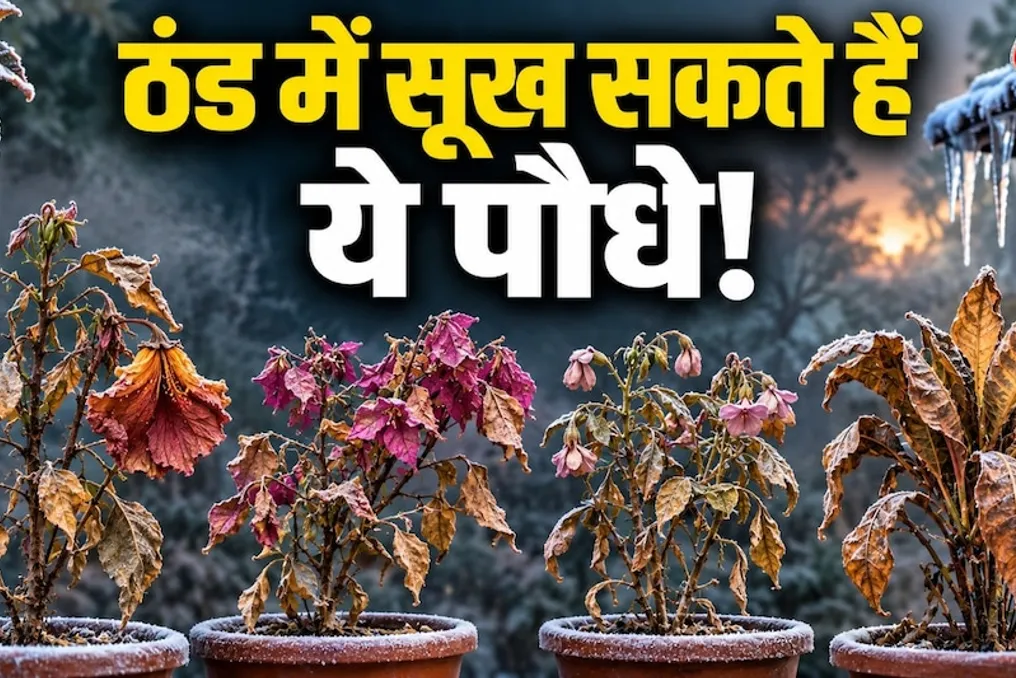
Flowering plants delight the eye year-round, but it is important to understand that plant requirements vary depending on the season. When winter arrives, many people try to green their balconies and gardens by purchasing new plants from nurseries. However, not all types of plants are adapted to winter conditions. Some plants require intense sunlight and warmth to grow. As temperatures drop and night frosts set in, their leaves begin to be damaged, and even with proper care, they can gradually wither.

Therefore, if you plan to plant new plants on your balcony or yard in winter, you should pay attention to the selection. According to a gardener, plants such as marigolds, bougainvillea, evergreen primrose, and croton do not tolerate severe cold well. Cold and frost can negatively affect their health. Next, we look at why these four types should be avoided in winter; even if they are already planted, they can dry out.

Marigolds: The marigold plant looks very beautiful when large flowers appear on it. However, flowering only occurs with good light and warm weather, indicating that marigolds prefer warmer seasons. As temperatures drop in winter, the growth of this plant may slow down. Due to severe cold and frost, its leaves begin to wilt, and delicate shoots can be damaged. Therefore, during severe frosts, it is recommended not to expose it to the open air.

Bougainvillea: Bougainvillea decorates the garden and balcony with its colorful flowers. This plant develops well with sufficient sunlight. Nevertheless, severe cold and frost can affect its condition. Contact with cold air can damage the leaves and also negatively affect the growth of new shoots. For this reason, this plant should not be planted in open and cold places during winter.

Evergreen Primrose: Evergreen primrose is valued for its small and beautiful flowers. This plant usually grows well in a warm climate. However, a significant drop in temperature can harm its growth. There is a risk of leaf and some parts of the plant being damaged due to cold and frost. Therefore, before planting in spring, you need to monitor the temperature in your region.

Croton: Croton is popular indoors because of its variegated leaves, which display a beautiful combination of green, yellow, red, and orange shades. But this plant is sensitive to cold. As winter intensifies, its leaves begin to wilt and become damaged, especially if the plant is exposed to direct cold air, which can cause serious harm.

In winter, plants are harmed not only by cold wind but also by night frosts. When the temperature drops sharply, frosts begin to affect the leaves and shoots. This can lead to the leaves looking scorched and changing color.

With prolonged exposure to severe cold, plant growth can stop. If plants remain in such conditions for a long time, they can gradually weaken and dry up. Consequently, when gardening in winter, it is crucial to consider the needs of the plants and the weather conditions.

Popular