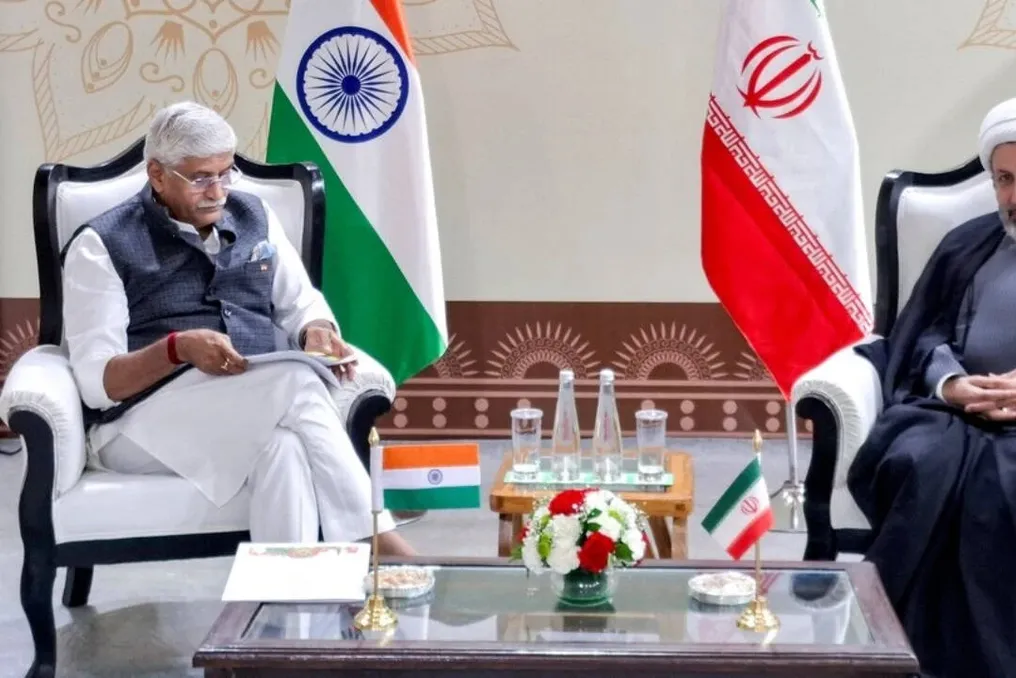
As part of the Shanghai Cooperation Organisation (SCO) Civilizational Dialogue Forum, India held bilateral talks with Iran to explore opportunities for cultural interaction. Tehran proposed establishing a joint network for preserving manuscripts and shared civilizational heritage.
India's Secretary of Culture, Vivek Aggarwal, confirmed the bilateral meeting on Sunday, noting that both countries support regular contact on potential areas of cultural exchange. He stated that many ideas were discussed during the meeting, although no specific project has been approved yet.
Aggarwal told reporters at the historic Purana Qila, the venue for the three-day forum: 'A bilateral meeting was held with Iran. India is in constant contact with Iran, and we always discuss areas where there might be some cultural exchange. Discussions also took place during the Summit.'
He added that 'ideas were put forward, although no project has been specified yet. But discussions and interactions continue.'
According to the Iranian Embassy in India, in its post on X on Sunday, Tehran proposed creating a 'Joint SCO Network for Written Heritage and Civilizational Memory' at this forum.
Dr. Faridoddin Faridasr, Cultural Advisor to the Islamic Republic of Iran in India, addressed the First SCO Civilizational Dialogue Forum in New Delhi. He emphasized the significance of shared civilizational heritage as a basis for cultural cooperation and mutual understanding among SCO member states.
In his remarks, Faridasr highlighted the historical role of the Persian language as a language of science, literature, governance, and cultural exchange in Central Asia, the Indian subcontinent, and neighboring regions, calling it an important part of the region's common cultural and historical heritage.
He also mentioned the work of the Noor International Microfilm Center, affiliated with the Iranian Embassy in New Delhi, as an example of cultural cooperation between the two countries. According to the embassy, since 1990, the center has collaborated with 72 academic and cultural institutions in India, leading to the digitization of 'over 150,000 Persian and Arabic manuscripts,' the restoration and preservation of more than three million pages of historical documents, and the preparation of nearly 300 catalogs.
Faridasr also mentioned current joint projects with cultural institutions in Telangana and Hyderabad aimed at digitizing, restoring, and preserving historical Persian documents and manuscripts.
The embassy reported that the proposed SCO network is a practical initiative to strengthen regional cultural cooperation. It will focus on the preservation and digitization of manuscripts and historical documents, the exchange of technical expertise, and training in manuscript restoration. Furthermore, it will promote common linguistic and literary heritage through joint research, publications, and exhibitions.
Faridasr confirmed Iran's readiness to 'share its experience and technical expertise with other SCO member states,' stressing that preserving common civilizational heritage allows for strengthening mutual trust, cultural understanding, and cooperation in the region.
Meanwhile, Aggarwal clarified that formal bilateral meetings between India and Pakistan did not take place on the sidelines of the forum, although representatives of both sides interacted during banquets and conference sessions.
Responding to the question about formal interaction, he said: 'There were no formal bilateral negotiations between the two sides.' He added that there was another 'informal discussion' during the event, including communication with ministers and heads of delegations from participating countries.
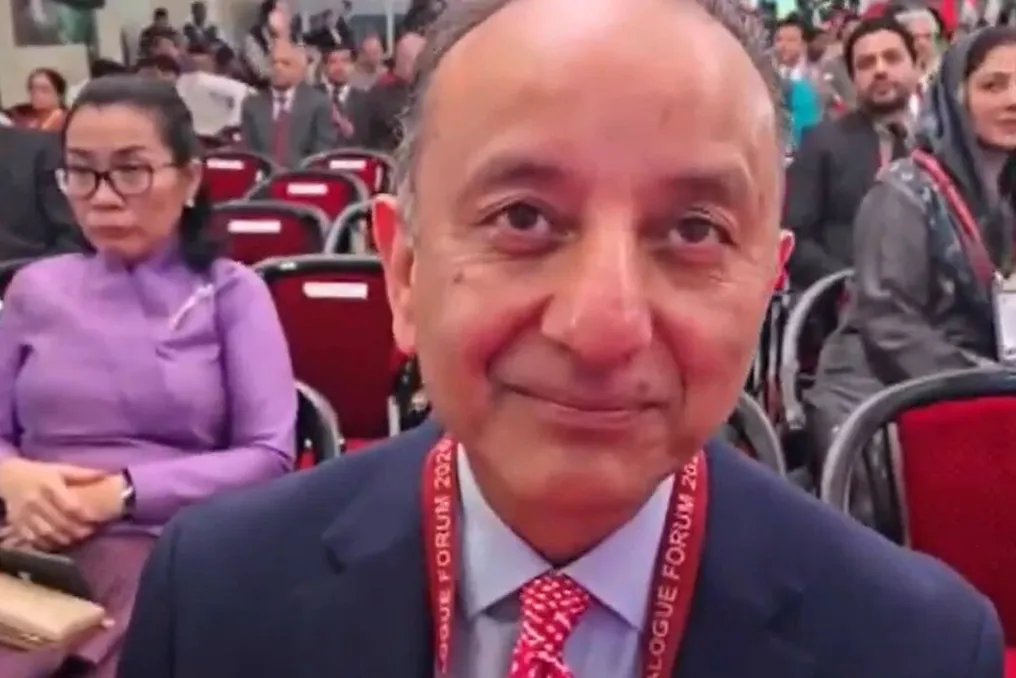
Pakistan's federal minister Musaddiq Masood Malik, who attended the three-day forum, stated that he was in India to discuss regional issues and cultural ties in the context of the SCO, not the Indus Water Treaty. Malik told reporters: 'When you invite me to talk about India (Water Treaty), then we will certainly talk about India (Treaty). This time you did not invite me here for (talks about) the Indus Water Treaty; this time you invited me to talk...'
He continued: 'You invited me this time to talk about an issue in the context of the SCO forum, regional issues, its connection to culture, which is why I am here.'
The three-day forum, held from November 20 to 22, was organized by the Ministry of Culture and the Ministry of Foreign Affairs. It was opened by Prime Minister Narendra Modi on November 20, and delegates from various SCO member countries, including Iran and Pakistan, as well as other nations, participated.