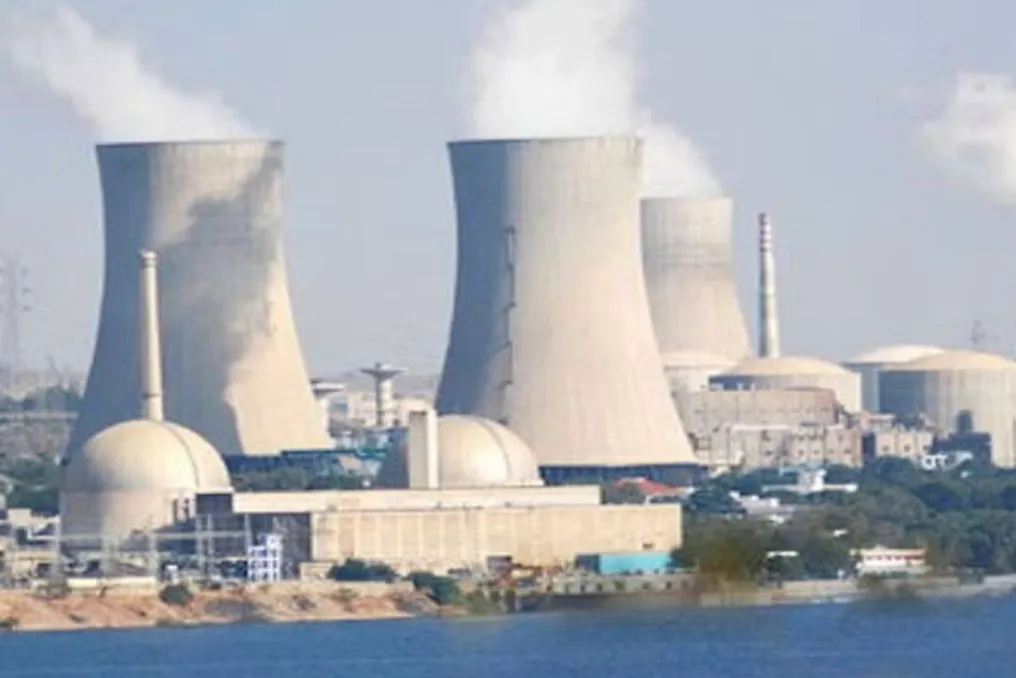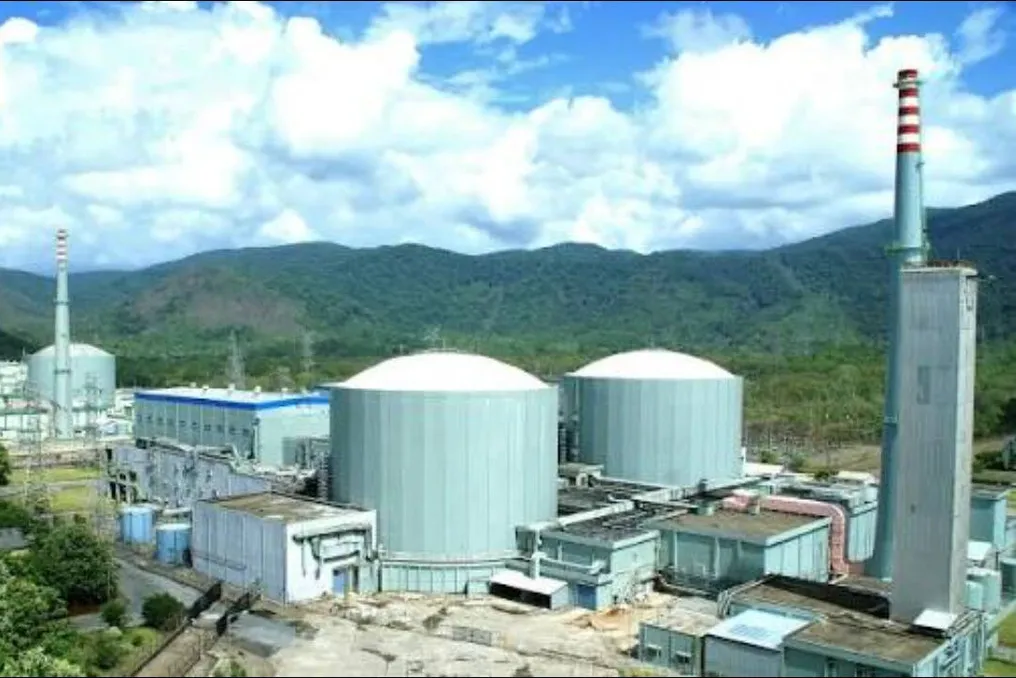
In a significant achievement for the country's nuclear sector, the Kaiga Generating Station Unit-1 (KGS-1) in the state of Karnataka successfully reached criticality on Sunday, receiving a second life. This reactor had been taken out of service to undergo life extension work after 25 years of operation. This was reported by the Nuclear Power Corporation of India Limited (NPCIL) on Sunday, a public sector undertaking responsible for the design, construction, commissioning, and operation of nuclear power plants across India.
Achieving criticality means that a self-sustaining, controlled chain reaction of nuclear fission has been established in the reactor core. KGS-1 first achieved criticality on September 26, 2000, and managed to generate 37,670 million units of energy before being shut down for maintenance in April of last year.
This same power unit set a world record of 962 days of continuous operation on December 31, 2018, functioning at a plant capacity factor of 99.3%, surpassing the previous world record of 940 days set by Heysham II (Unit 8/Reactor 2) in the UK.
NPCIL announced on social media platform X on Sunday that achieving this result just 600 days after being shut down for major repairs of the EMCCR (Mass Cooling Channel replacement) and EMFR (Mass Feed Device replacement) on April 1, 2025, sets a new benchmark for the entire fleet, as it is the first NPCIL reactor to reach criticality in such a short period. The company emphasized that this outstanding success reflects exceptional dedication, technical excellence, and coordinated teamwork.
The Kaiga power station has four operational nuclear units with a total capacity of 880 MW, and two additional units (5 and 6) are under construction, which will add 1,400 MW, bringing the total planned capacity of the six units to 2,280 MW.
Kaiga Units-5 and 6 are modern, indigenous pressurized heavy water reactors (PHWRs) with a capacity of 700 MW each, incorporating advanced safety features and considered among the safest in the world. Three such reactors—KAPS-3&4 and RAPP-7—are successfully operating in the states of Gujarat and Rajasthan, respectively. Components and equipment for this project are supplied by domestic industrial partners, and the work is carried out by Indian contractors, aligning with the Atmanirbhar initiatives of the Modi government.
Several days ago, another important event occurred: the Atomic Energy Regulatory Board (AERB) granted permission for the first approach to criticality for the eighth unit of the Rajasthan Atomic Power Station (RAPP-8) in Rawatbhata after satisfactory completion of safety checks.