Portugal and the European Union reject COP31 text due to insufficient climate ambition
Read more
Noticias ao Minuto
noticiasaominuto.com

Portugal and the European Union reject COP31 text due to insufficient climate ambition

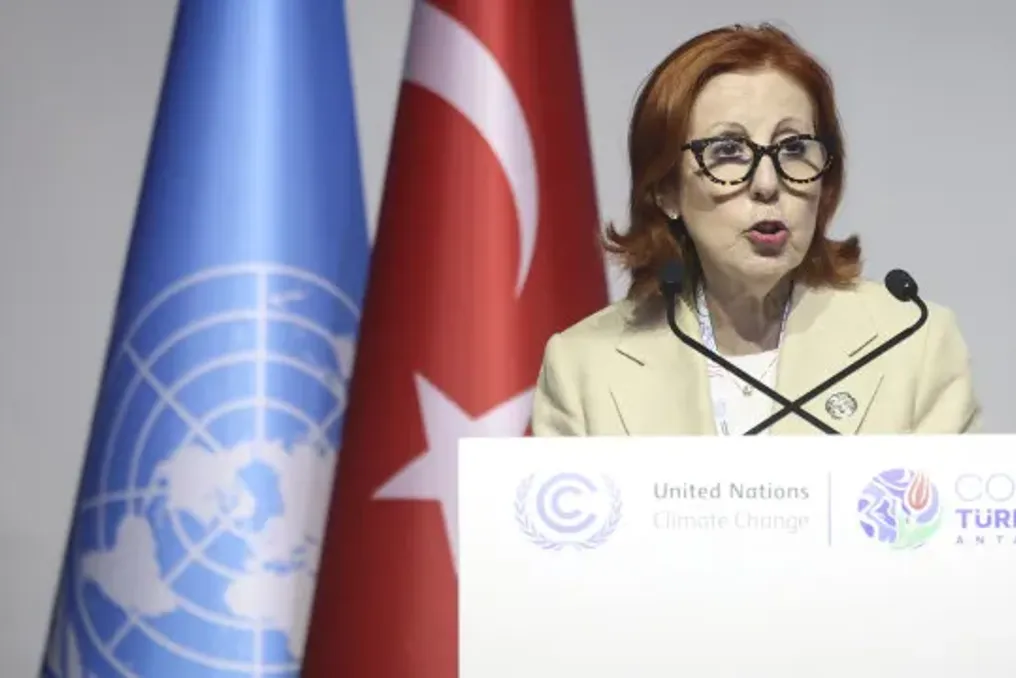
The Portuguese Government expressed dissatisfaction with the lack of climate ambition during COP31 and aligned itself with the European Union in rejecting the final decision draft. Leaders considered the document inadequate to meet the goal of limiting global warming to 1.5°C.

The Minister of Environment and Energy, Maria da Graça Carvalho, stated in a press release that the final decision fell short of what science and the world require. The Portuguese executive highlighted the omission of references regarding the urgency of abandoning fossil fuels and the plan established by the COP30 presidency.

According to the Government, the European Union attributed the impasse to the absence of a sufficiently strong commitment to emission reductions. The statement reinforced that, for Portugal and other Member States, international consensus cannot come at the expense of reduced climate ambition, defending the European position as support for effective multilateralism against climate change.

The Climate Summit held in Antalya (COP31) failed to reach a political consensus on the base text proposed by the Turkish-Australian presidency, resulting in the absence of a new global agreement, which is seen as another setback for multilateralism in the global climate sphere.

After the rejection of the draft in the final plenary session by 27 European Union countries, the United Kingdom, Panama, and several small Pacific states, COP31 was left without a political agreement on combating global warming. The divergences centered on the abandonment of hydrocarbons and climate financing intended for developing countries.

Chris Bowen, co-president of COP31 and Australian, informed journalists that there was broad agreement on the general agenda, but that one or two points proved irreconcilable, classifying the outcome as 'very disappointing.' The summit, held in the Turkish city of Antalya, was the longest of the 31 held so far, exceeding the record of 44 hours set in Madrid in 2019.

One of the main reasons cited by the EU for rejecting the document was the absence of a transition away from fossil fuels in energy systems, something that had already been agreed upon at the Dubai COP in 2023. This confrontation involved oil-producing states and major emitters, such as India.

There were also disagreements between the Arab Group, led by Saudi Arabia, and the EU regarding carbon capture technology. The European bloc vehemently opposed this mechanism, believing it would not allow for the move away from hydrocarbons.

The plenary also reflected current geopolitical tensions, including strong criticism from Russia towards the EU and the absence of Donald Trump from the United States. Another point that prevented a consensual agreement was the financing of climate adaptation in developing countries, which should largely be guaranteed by the community bloc.

In the financial scope, the text presented by the Turkish and Australian co-presidency attempted to balance the demands of developing countries, which required robust guarantees of public financing, with the reluctance of industrialized economies to assume new quantified commitments. Many European economies are facing financial crises and consider themselves unable to offer climate aid, especially after the energy crises triggered by the Russian invasion of Ukraine and the conflict in the Middle East.
Similar stories

COP31 approves three-year extension of the just transition program
Read more
noticiasaominuto.com

COP31 approves three-year extension of the just transition program

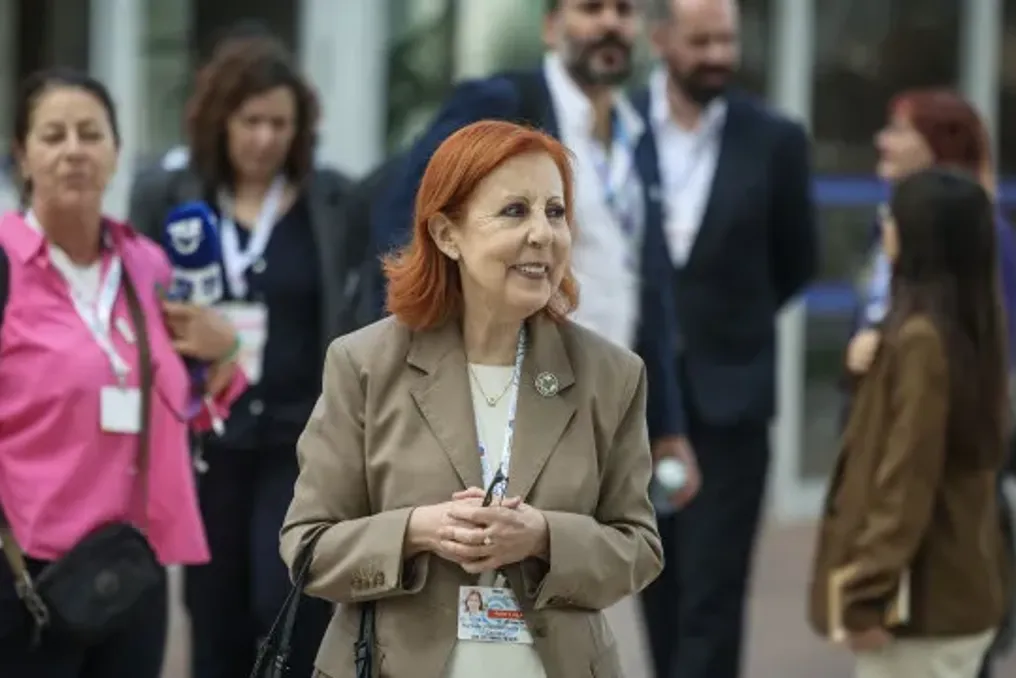
COP31 deliberated on extending the just transition working program for an additional three years. This approval came after intense negotiations led by the Minister of Environment and Energy representing the European Union, as communicated by the Government.

Maria da Graça Carvalho, the Minister of Environment, emphasized that Just Transition is fundamental to the success of climate actions. She stressed that it is not enough merely to accelerate decarbonization; it is imperative to ensure that workers, communities, and more vulnerable territories participate in this change and benefit from the new opportunities created.

According to the Government, the decision ensures the maintenance of the Just Transition Working Program for another three years, aiming for its subsequent incorporation into a Just Transition Mechanism.

The minister also highlighted that the negotiation process demonstrated the viability of establishing consensus and achieving results, even in particularly complex discussions. Furthermore, the document reinforces the connection with the goal of limiting global warming to 1.5°C and gives greater importance to climate change adaptation.

Despite the approval of the just transition issue in plenary, the summit concluded without reaching a consensus on the general decision project. Portugal and other European Union Member States rejected this project, considering its ambition in emission reduction to be insufficient.

In this context, the Portuguese Government expressed its regret over the lack of climate ambition at COP31 and supported the European Union's rejection of the final decision project, as it was not sufficient to meet the 1.5°C global warming target.

Maria da Graça Carvalho, the Minister of Environment and Energy, stated in a press release that 'unfortunately, the final decision fell short of what science demands and what the world needs.' The Portuguese executive also pointed out the absence of mentions regarding the urgency of abandoning fossil fuels and the roadmap established by the COP30 presidency.

The Government informed that the European Union attributed the impasse to the lack of a sufficiently robust commitment to emission reductions. The European communiqué states that 'for Portugal and the remaining Member States, international consensus cannot be reached at the expense of a retreat in climate ambition. The European position thus represents the defense of a multilateralism capable of producing concrete results and responding to the challenges of climate change.'

The Antalya Climate Summit (COP31) failed to reach a political agreement on the draft text proposed by the Turkish-Australian presidency, implying that there will be no new global agreement, a conclusion interpreted as another setback for multilateralism in the global climate agenda.

The meeting in the Turkish city of Antalya was the longest among the 31 held so far, surpassing the record of 44 hours set in Madrid in 2019.

In a statement released today on the official United Nations website, UN Secretary-General António Guterres expressed being 'deeply disappointed' with the lack of consensus. He stated: 'I am deeply disappointed that COP31 ended without consensus on a comprehensive outcome. I share the deep frustration of all those who expected governments to live up to what the climate crisis demands.'

Popular