Iran explores opportunities to strengthen academic ties with Kenya
Read more
Tehran Times
www.tehrantimes.com

Iran explores opportunities to strengthen academic ties with Kenya

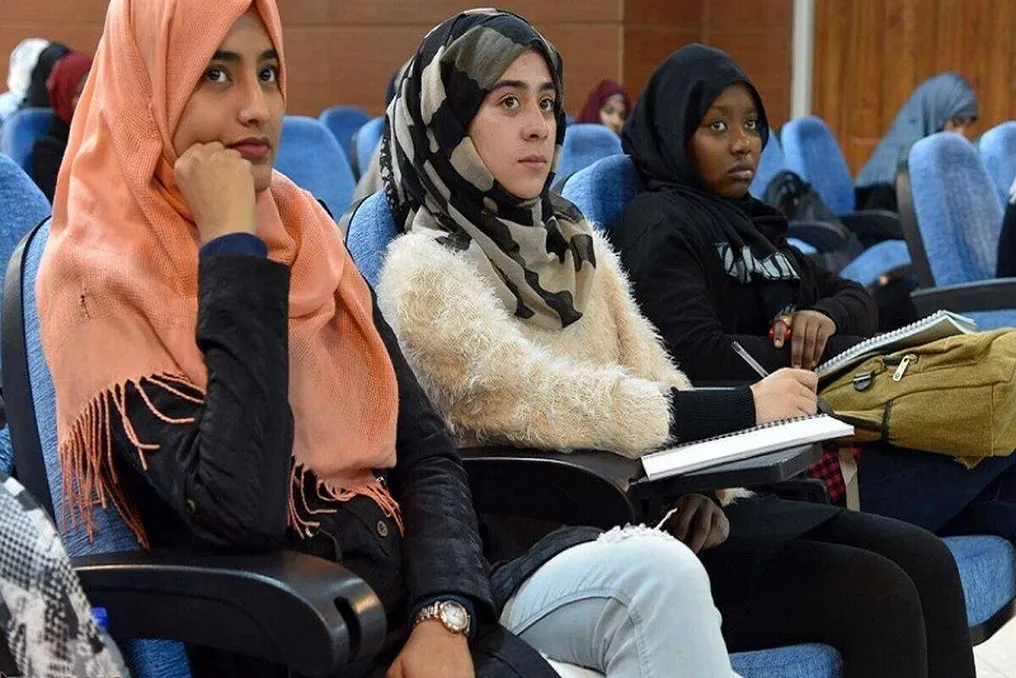
Iranian officials discussed ways to enhance academic cooperation with East African countries, with a particular focus on Kenya. Key discussion areas included developing skills-based courses and implementing e-learning programs for postgraduate students, as well as improving strategies for attracting outstanding international students.

These discussions took place during the fourth specialized online meeting on attracting international students, held on Saturday. According to an IRNA report, participants included Abbas Ghanbari-Baghestan, Deputy Head of the Ministry of Science, Research and Technology's Student Affairs Organization, and Mehdi Beigi, the Iranian Ambassador to Kenya.

The potential of Kenyan education was reviewed, along with promoting problem-oriented research, facilitating technology exchange, and developing interaction between the state scientific institutions and universities of both countries.

Participants also emphasized the need to hold B2B (business-to-business) meetings parallel to G2G (government-to-government) diplomacy. Furthermore, the importance of utilizing local market potential and maintaining constant contact between cultural attachés and student recruitment bodies was noted.

Other issues raised included using Iran's target universities as centers for expanding scientific and cultural ties, as well as training a new generation of specialists and researchers in Iranian studies in Africa, based on a deep understanding of current events.

According to the Seventh National Development Plan (2023–2028), the number of foreign students in the country is projected to increase to 320,000, compared to the current approximately 60,000. To achieve this goal, the higher education system must adopt a number of institutional and developmental measures within organizations related to international students, as reported by Mehr agency.

In this regard, the Parliamentary Research Center analyzed Iran's situation in attracting international students and identified necessary steps. According to the report, the number of foreign students in the country increased from 13,767 in the Iranian year 1394 (2015–2016) to 68,563 in 1403 (2024–2025). Over the last decade, the number of educational institutions authorized to accept international students has significantly increased from 45 to 206.

The report also showed that parliament officially adopted 13 acts, such as providing short-term leave, issuing visas, establishing a foreign student alumni center, and conducting remedial courses, as part of the educational charter for international students; however, these acts have not been implemented promptly. Moreover, major national organizations and institutions are not involved in planning cultural programs for international students.

Among the recognized problems were the lack of strategic, comprehensive marketing skills, as well as bureaucratic and lengthy correspondence. The Parliamentary Research Center proposed several measures to increase the number of attracted international students. The most important proposal is adopting a revenue-oriented approach, soft cultural power, and scientific development. Another suggestion emphasizes the importance of strengthening South-South international ties, meaning developing political and economic interaction with densely populated countries such as Pakistan, India, Egypt, and some Central Asian countries. Other suggested solutions include continuous evaluation of other countries' student attraction policies, developing software and hardware, stable and secure networks, and increasing the number of scholarships.

Similar stories

Iran and Armenia plan to expand cultural cooperation following delegation meetings
Read more
www.tehrantimes.com

Iran and Armenia plan to expand cultural cooperation following delegation meetings

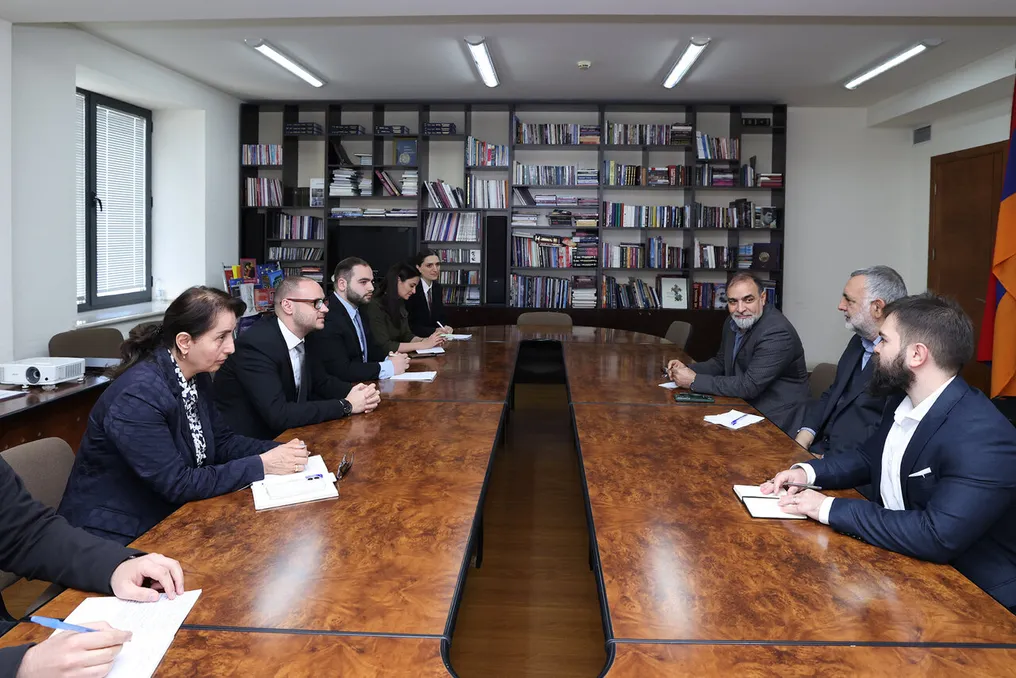
A specialized meeting was held in Yerevan where a high-level delegation from the Islamic Republic of Iran, led by Vice President Seyed Hamid Pourmohammadi, held talks with Armenian officials. Among those present was Alfred Kocharyan, Deputy Minister of Education, Science, Culture and Sport of Armenia. The parties discussed strategies for developing cultural ties between the two states.

At the beginning of the meeting, Kocharyan highly praised the centuries-old cultural ties between Armenia and Iran, emphasizing the importance of opportunities for their deepening in various fields. He noted the existing successful cooperation and stressed the need to implement joint programs in the field of intangible cultural heritage and contemporary art.

Mohsen Javadi, Deputy for Cultural Affairs at the Ministry of Culture and Islamic Guidance, also spoke at the meeting. He stated that the Iranian delegation is engaged in cultural matters to seek new opportunities and strengthen existing partnerships. Javadi noted that the main goal of these negotiations is not to create ties from scratch, but to develop, expand, and organize the cooperation that has already formed through the initiative of artists, cultural activists, and the people of both countries.

Javadi emphasized the rich historical and civilizational heritage of Iran and Armenia. He pointed out that the presence of enthusiasts of the Persian language, Iranianology researchers, and scholars familiar with Iranian culture in Armenia creates a favorable environment for the development of cultural interaction. He also insisted on moving from general discussions to concrete programs, suggesting that the topics discussed at this meeting be formalized through official correspondence, definition of priorities, and the development of executive agreements in subsequent stages.

Javadi invited Armenian cultural officials to visit Iran and proposed holding Armenian Cultural Weeks in Tehran, as well as in cultural centers such as Isfahan and Shiraz, alongside reciprocal Iranian Cultural Weeks in Yerevan. According to him, such events could include a wide range of cultural and artistic activities: book fairs, literary programs, film screenings, musical performances, exposure to fine arts, and specialized seminars.

Stressing the importance of broad public participation, Javadi noted that cultural weeks allow cultural ties to go beyond elites and professionals, enabling ordinary citizens, especially youth and families, to learn about the cultural achievements of another country. During the discussion among high-ranking officials, a proposal was put forward to select and translate a collection of outstanding works by Iranian and Armenian authors.

According to this proposal, works by prominent contemporary Armenian authors in the genres of fiction, poetry, art, science, and technology will be selected for translation into Persian, while a collection of works by Iranian writers and researchers will be presented for translation and publication in Armenian. The Deputy for Cultural Affairs noted that although a significant portion of the audience in Iran and Armenia is familiar with the names of classical writers from both countries, the works of young authors and new literary trends are less widely represented in the partner's language. He stated that expanding the translation of contemporary works could bridge this gap and provide a platform for the new generation to become acquainted with the thoughts, concerns, and socio-cultural development of both societies.

In this context, the need to develop cooperation between publishers, translators, universities, and research centers of the two countries was also highlighted. Another part of the negotiations was the expansion of mutual presence of Iranian and Armenian publishing houses at book fairs and festivals. Javadi suggested that the presence of Armenian publishers and writers at the Tehran International Book Fair should be strengthened, given its enormous potential for showcasing foreign authors. Subsequently, the Armenian side proposed studying the possibility of mutual visits to each other's international book fairs as 'Special Guests'. Based on this proposal, Iran and Armenia could achieve broader representation at each other's book fairs during certain periods by utilizing special exhibition spaces and organizing diverse cultural and literary programs.

During the meeting, the presentation of the prose translation of Ferdowsi's 'Shahnameh' into Armenian was noted as a prime example of cultural cooperation. This valuable work was translated by George Asaturyan, and scientific editing and writing the preface was done by Professor Harnik Astaryan, a renowned Armenian Iranianist. This translation is the result of many years of scientific and research activity and presents the narrative parts of the Shahnameh in the format of literary prose for Armenian readers. At the opening ceremony, the efforts of the translator and editor, as well as the contribution of Loris Tjeknavorian, a renowned Iranian-Armenian composer, were acknowledged.

For his part, Pourmohammadi, referring to the place of the 'Shahnameh' in Iran's cultural heritage and its influence on art and literature, proposed creating a 'Shahnameh House' in Armenia involving researchers and artists from both countries. Addressing the international recognition of Iranian cinema, Armenian officials noted the constant presence of Iranian filmmakers' works at the 'Golden Apricot' International Film Festival in Yerevan, calling the festival an effective platform for connecting cinematographers from the two countries. The meeting also touched upon the growing potential of the Armenian film industry and the need to utilize the professional experience of Iranian cinematography. In this regard, the expansion of teaching Armenian language, Armenian studies, and research related to Armenian history and culture in Iranian universities and academic centers became a subject of interest.

The Armenian side, mentioning joint cooperation in presenting cultural traditions and rituals, cited the joint file 'Tradition of Water and Rain Celebration: Tirgan/Vardavar', which was submitted by Iran and Armenia to UNESCO for consideration in 2026 and is on the list of files under review for inclusion in the Intangible Cultural Heritage of Humanity List.

Furthermore, at the meeting, Mohammad Asadi-Movahed, Cultural Attaché of the Islamic Republic of Iran in Armenia, shared his experience in organizing joint programs during his tenure, stating: 'The mission of the Iranian Cultural Center is not only to present Iran's cultural and artistic potential in Armenia; rather, the institution strives to promote the representation of Armenian culture, art, elites, and achievements to the Iranian community.' He described the Cultural Center as a common platform for developing cultural relations between the two nations and emphasized the need to maintain and strengthen both institutional and grassroots cooperation. The Iranian Cultural Attaché also mentioned the naming of the assembly hall in the historic Blue Mosque of Yerevan in honor of Egish Charents, a distinguished Armenian poet and connoisseur of Iranian culture and literature. This act, which took place during the Iranian delegation's visit and in the presence of the Iranian Vice President, aimed to immortalize Charents' literary status and his historical role in the cultural ties between the two countries. During the ceremony, Charents' passion for Iranian literature, especially Ferdowsi's 'Shahnameh', and his historical role in the protection of the Blue Mosque of Yerevan were noted.
Iranian and Ivorian Ministers for ICT Discuss Expanding Cooperation
Read more
www.tehrantimes.com

Iranian and Ivorian Ministers for ICT Discuss Expanding Cooperation

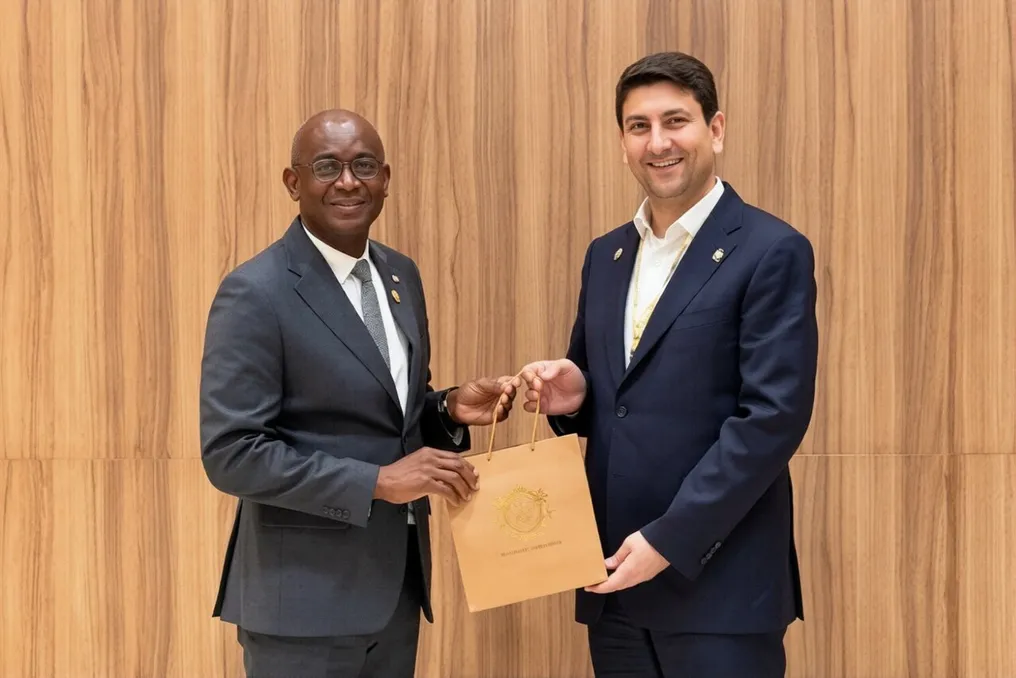
The Iranian Minister of Information and Communications Technology, Sattar Hashemi, and the Ivorian Minister of Digital Transformation and Technological Innovation, Djibril Ouattara, met to explore opportunities for expanding interaction in the field of information and communication technologies (ICT).

This meeting took place on the sidelines of the International Telecommunication Conference (PP-26) of the International Telecommunication Union (ITU), which is being held in Doha, Qatar, from November 9 to 27, according to Mehr news agency.

Hashemi presented several important projects in the field of ICT, as well as his country's scientific and academic potential. He stated Iran's readiness to share experience and contribute to cooperation in the development and expansion of ICT infrastructures, especially in the field of artificial intelligence, as well as joint implementation of fiber optic projects and signing an ICT memorandum of understanding. Furthermore, he emphasized the need to create a clear strategic roadmap for promoting and practically applying technological cooperation between the two sides.

Addressing cybersecurity, Hashemi noted its significance for the development of digital services and infrastructure, insisting on the exchange of experience and solutions to counter cyberattacks.

For his part, Ouattara stressed the importance of strengthening joint efforts in ICT, adding that the Ivorian ambassador in Tehran will monitor the implementation of the agreements reached. The official also welcomed Iran's proposal to host a specialized delegation from Ivory Coast, noting that this would help focus on details and develop joint initiatives in digital technologies.

The International Telecommunication Conference is the main governing body of the ITU. It serves as an authoritative decision-making mechanism regarding the organization's strategic and financial plans, governance, and overall direction. Held every four years, the ITU Conference affirms the common positions of ITU member states worldwide. PP-26 calls for countries to work 'Together for a Connected Digital Future.'

Delegates from 194 ITU member states will discuss the most pressing global digital opportunities and challenges, define the UN agency's strategic vision until 2031, and elect its leadership for the next four years. The conference is also expected to address critical collective issues such as expanding global connectivity and investment, strengthening the resilience of digital infrastructure, ensuring reliable emergency and humanitarian communications, developing space connectivity and sustainability, and utilizing new technologies for development.

PP-26 includes an extensive Ministerial Level Programme with high-level thematic discussions on sustainability and new technologies, providing senior leaders with a platform to exchange views, showcase national achievements, and solve common problems. The Conference also supports significant participation of women and youth through special events dedicated to inclusivity and accessibility in the digital transformation agenda.

ITU member states will also elect the organization's top management, as well as members of the ITU Council and the Radiocommunication Sector. Member states will also agree on the organization's strategic and financial roadmap for the period 2028 to 2031.

The Iranian delegation, led by the Minister of ICT, is attending the conference to strengthen technological diplomacy, bilateral and multilateral cooperation, and to protect the country's interests in global ICT governance. Among other planned activities for the Iranian delegation, which is holding meetings with its counterparts and high-ranking officials of member states and exploring cooperation opportunities in advanced technologies and digital economy sectors, are meetings with African ambassadors to strengthen cooperation in science and health.

Study reveals challenges and opportunities in Iranian scientific diplomacy
Read more
www.tehrantimes.com

Study reveals challenges and opportunities in Iranian scientific diplomacy

A study conducted by the Scientific Information Database (SID) of the Academic Center for Education, Culture, and Research, known as Jihad Daneshgahi, examined the state of scientific diplomacy in Iran and globally. The analysis established that restrictions on international cooperation are one of the main problems hindering the improvement of the quality and authority of the country's scientific results.

The study identified three key obstacles to the development of scientific diplomacy: concerns over research security, scientific sanctions, and geopolitical tension. Although quantitative indicators of Iranian scientific publications continue to grow, accompanied by an increase in joint research and group authorship, international scientific cooperation remains limited compared to the country's domestic achievements.

Among Iran's leading scientific centers are Tehran University and Tehran University of Medical Sciences. Tarbiat Modares University and the Research Department of Islamic Azad University also play a significant role in national networks of scientific interaction.

In 2020, Iran ranked 15th in the global ranking by the total number of scientific publications, accounting for 2.02% of the world's volume. In fundamental sciences, the country was ranked 15th, in social sciences—29th, and in humanities and arts—37th.

The study showed that international scientific cooperation correlates with higher citation rates and improved article quality. The main international partners of Iran in research were identified as the United States of America, the United Kingdom, Canada, Germany, and Australia.

Furthermore, significant potential is highlighted for expanding scientific interaction with neighboring and regional states, especially in fields such as medicine, nanotechnology, and stem cell research. Nevertheless, serious barriers to expanding research partnerships include economic difficulties and challenges in accessing global scientific networks.

Limitations in scientific cooperation are also caused by concerns about scientific espionage, the transfer of confidential technologies, and foreign interference. Sanctions have restricted scientific interaction with certain countries, including Iran and Russia. Additionally, the crisis in Ukraine, which began in 2022, has disrupted some forms of international cooperation in polar research.

The study warns that scientific isolation can lead to restricted access to major international infrastructure and research projects, an increased gap between scientific publications and the transformation of knowledge into economic and technological value, accelerated brain drain, and weakened ability of countries to solve transnational problems such as climate change, biosecurity, water resources, and public health, which require cross-border cooperation.

Four main strategies are proposed to strengthen Iranian scientific diplomacy: enhancing diplomacy and expanding cooperation with neighboring and Islamic countries; reforming academic evaluation and incentive systems to encourage both domestic and international co-authorship; shifting from an exclusive focus on publication quantity to a greater emphasis on citation, research quality, and solving social problems; and increasing the presence of researchers, especially in the humanities, in academic social networks and online platforms to increase the visibility and international reach of their work.

Popular