Netflix series addresses sickle cell disease, discussing issues of health, rights, and racism
Read more
Super Abril
super.abril.com.br

Netflix series addresses sickle cell disease, discussing issues of health, rights, and racism

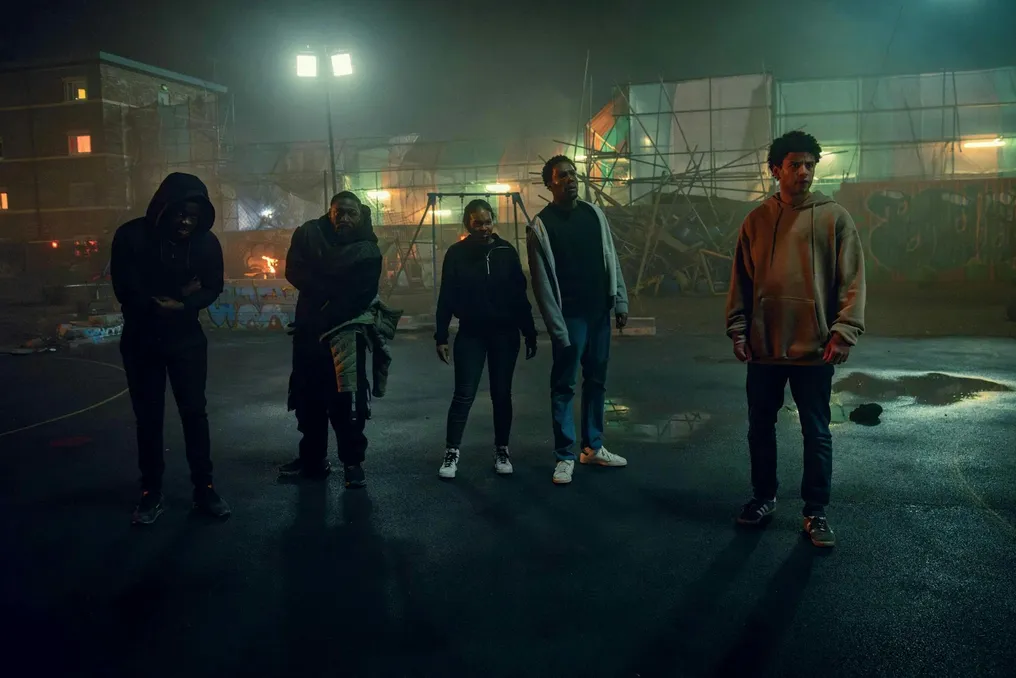
The British series Supacell, available on Netflix, uses sickle cell disease as a starting point to narrate a superhero story. Released in 2024, the work has achieved great success, and its second season is currently being edited for a premiere in early 2027. This fiction can serve as an effective medium to debate the fight for the rights of individuals affected by the disease.

Created by British director and screenwriter Andrew Onwubolu, the plot follows five young Black people from South London who acquire extraordinary abilities, such as teleportation, superhuman strength, and time travel, due to a genetic mutation related to the disease, without having developed the condition themselves.

In the first season, Michael Lasaki (played by Tosin Cole), a delivery driver, discovers the ability to go back in time and anticipates his girlfriend's murder. His search for other people with similar powers to save her places him in a conspiracy where a clandestine organization tries to dominate and imprison individuals endowed with superpowers.

However, the series transcends the archetype of the traditional superhero, who wears a cape and acts as a vigilante. The characters remain engaged in daily adversities, dealing with family, financial, violence, and relationship issues.

Sickle cell disease is hereditary and results from modifications in the gene responsible for producing hemoglobin, the molecule that transports oxygen in red blood cells. When there is oxygen deficiency, these red blood cells take a sickle shape, which can block microvessels and cause intense pain and severe inflammation. Although it is more common in populations of African descent in Brazil, this does not establish an exclusive link. The Ministry of Health estimates that between 60,000 and 100,000 people in the country live with this condition.

Despite using this genetic heritage as a potential strength, the Netflix series also addresses the racism inherent in this determinism. In a conversation, Andre Simpson (Eric Abrefa) recounts the death of AJ's grandfather (Ki-Many Carty), who was a victim of a stroke linked to the disease. Upon learning the cause, AJ questions whether the illness is exclusive to Black people, and his father clarifies that people of other ethnicities can also contract it, mentioning that both underwent tests.

Michael's mother is a central character who lives with the disease. In the initial episode, while she is hospitalized to stop a crisis, a representative from an organization offers services that promise faster and more efficient symptomatic control, but this advantage comes at a high cost.

This conflict brings the fiction closer to reality: the existence of effective treatments does not guarantee access to them. In Brazil, care depends on the availability of specialized services, medications, and professionals. In this context, the role of collectives and associations of people with sickle cell disease is crucial to ensuring treatment.

In 2006, the World Health Organization (WHO) endorsed a resolution requesting countries to consider sickle cell disease a public health problem. Research conducted in Brazil, starting in 2025, points to the existence of approximately 30 collectives and associations, most founded after the 2000s, driven by the National Policy for Comprehensive Care of People with Sickle Cell Disease (PNAIPDF) of 2005.

An article published in the journal História, Ciências, Saúde – Manguinhos analyzes Brazil's role in the international dissemination of the Unified Health System (SUS) and technical cooperation initiatives regarding sickle cell disease carried out between 2006 and 2010 with Benin, Ghana, and Senegal. The study demonstrates how Brazilian representatives presented a methodology focused on comprehensive care and continuous monitoring, something only viable in a universal and free healthcare system like SUS.

Brazil is recognized as a reference in research and in its care model, centered on Comprehensive Care. Because it is a chronic disease that requires permanent care, this model serves as an example for other nations. This view remains essential: care requires prevention, diagnosis, treatment, and continuous monitoring, with primary care articulating access to other services.

Among the main needs of patients with sickle cell disease are the continuous supply of medication, support during crises, and humanized care by specialists. This is not limited to Brazil, as observed during the 1st Portuguese Symposium on Sickle Cell Disease and Thalassemia, held in September of this year in Lisbon, with the presence of Portuguese activists.

Often, what is lacking is the adequate care routine: doctors who understand extreme fatigue and the pain caused by crises, and access to hydroxyurea. This medication stimulates the body to produce fetal hemoglobin, significantly reducing recurrent crises, although it does not replace bone marrow transplant, considered the main path to cure.

Although offered by SUS, the distribution of this drug is irregular because it depends on the priorities defined by state health policies, leaving it to the state government to regulate the supply.

Besides associations, there are prominent Brazilian activists on social media and recognized by Portuguese colleagues. A notable name is Simone Bruna, who maintains a YouTube channel focused on access to treatment, frequently highlighting the role of SUS. She used hydroxyurea for free for twenty years and, at 38, underwent a bone marrow transplant. Recently, she celebrated two years since the procedure, completed in October 2026, a period necessary to confirm bodily adaptation and the ability to generate healthy red blood cells.

Bone marrow transplant is the main curative method, but another obstacle arises: the limitation of beds. The restricted number of beds in the country forces people with various serious illnesses to compete for insufficient hospital infrastructure, resulting in the accumulation of sequelae due to constant crises while waiting.

In addition to hydroxyurea and transplantation, gene therapies have already been approved in certain countries. These techniques aim to alter cellular function to mitigate the effects of the genetic alteration, promoting the production of fetal hemoglobin. Despite promising results, they require complex procedures, specialized monitoring, and prolonged follow-up. Costs and the need for specialized centers can also restrict access, without replacing regular care, specialized attention, and access to medication.

In Supacell, the secret organization proposes teaching the protagonists to control their powers, but subjects them to a surveillance regime. The reality of medical research differs, and the development of new therapies represents a significant advance. Nevertheless, the narrative allows for reflection on who controls the resources capable of transforming lives and who actually benefits from them.

}))
Similar stories

7 Crime and Mystery Series Recommendations for Gen Z on Netflix
Read more
www.aajtak.in

7 Crime and Mystery Series Recommendations for Gen Z on Netflix

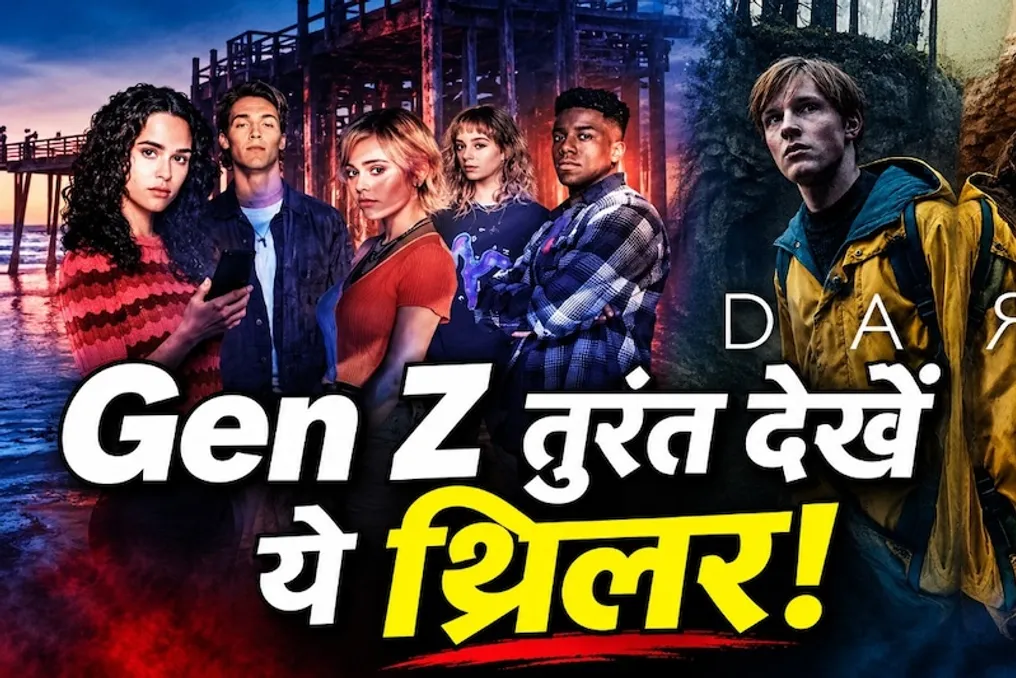
The thrill of crime and mystery has always attracted Gen Z audiences. Among today's youth, suspenseful stories, unsolved mysteries, and shocking twists at every turn are the most favored. If you are a fan of mind-bending thrillers and detective shows, these seven crime and mystery series available on Netflix must be on your watchlist.

These series include stories ranging from deaths in schools to old murder cases, dangerous chases, bloody games, time travel, major heists, and missing persons.

  1. One of Us Is Lying: Five high school students are detained together, but only four survive. The student who died was the biggest gossip in school, who was about to expose the deepest secrets of the four the next day. The question arises whether it was just an accident or a well-planned conspiracy. This series doubles the suspense with every episode.
  2. A Good Girl's Guide to Murder: Based on Holly Jackson's famous novel, this series is very popular among Gen Z. It reopens the case of a high school student's murder and her boyfriend's suicide that occurred in a small town five years ago. A young woman named Pip Fitz-Amobi delves into the depths of this case under the guise of a school project and uncovers many hidden faces of the town.
  3. You: This story is about the manager of a bookstore named Goldberg, who can go to any lengths when falling in love. This psychological thriller depicts the dangers of stalking and controlling someone's life in the age of social media.
  4. Elite: Three middle-class students receive scholarships to an extremely wealthy and prestigious school in Spain. Subsequently, the gap between rich and poor turns into a bloody game. This mix of glamour, friendship, betrayal, and murder mystery keeps young viewers hooked until the end.
  5. Dark: If you like mind-bending mysteries, this German science-fiction thriller is for you. Starting with the disappearance of children in a small town, the story uncovers deep secrets across three generations of four families and a complex web of time travel, requiring full attention to watch.
  6. Money Heist: This story revolves around a professor and his team planning the biggest heist ever at the Royal Mint in Spain. It is a favorite series among youth worldwide. Its brilliant planning, emotional drama, and rebellion against the system make it a cult classic.
  7. The Society: After returning from a school trip, some teenagers discover that all the adults in their town have disappeared, and there is no way out. This is where the real mystery begins. In this lawless world, the fight for power and existence soon takes the form of crime.

The main feature of these series is their fast pace and unpredictable endings. Any of these shows can be chosen to enjoy suspense on the weekend.

Riot Games uses music, K-pop, and skins to expand League of Legends consumption beyond the game
Read more
olhardigital.com.br

Riot Games uses music, K-pop, and skins to expand League of Legends consumption beyond the game

It is not necessary to play League of Legends to consume the game's universe; one only needs to listen to a playlist, watch a music video, or see a cosplay of characters like Ahri, Akali, or Kai’Sa at pop culture events. This approach reflects a strategy developed by Riot Games in recent years: transforming its game characters into recognizable figures outside the gaming environment.

On Thursday, November 12, the company advanced in this direction with the global release of the compilation «League of Legends: Music Video Collection – K-pop & More» on Netflix. This collection includes existing music videos from the virtual groups K/DA, True Damage, and HEARTSTEEL, covering productions such as «POP/STARS», «MORE», «GIANTS», and «PARANOIA». Even if the tracks are not new, their inclusion in the platform's catalog offers a new chance to reach audiences who would never have played League of Legends.

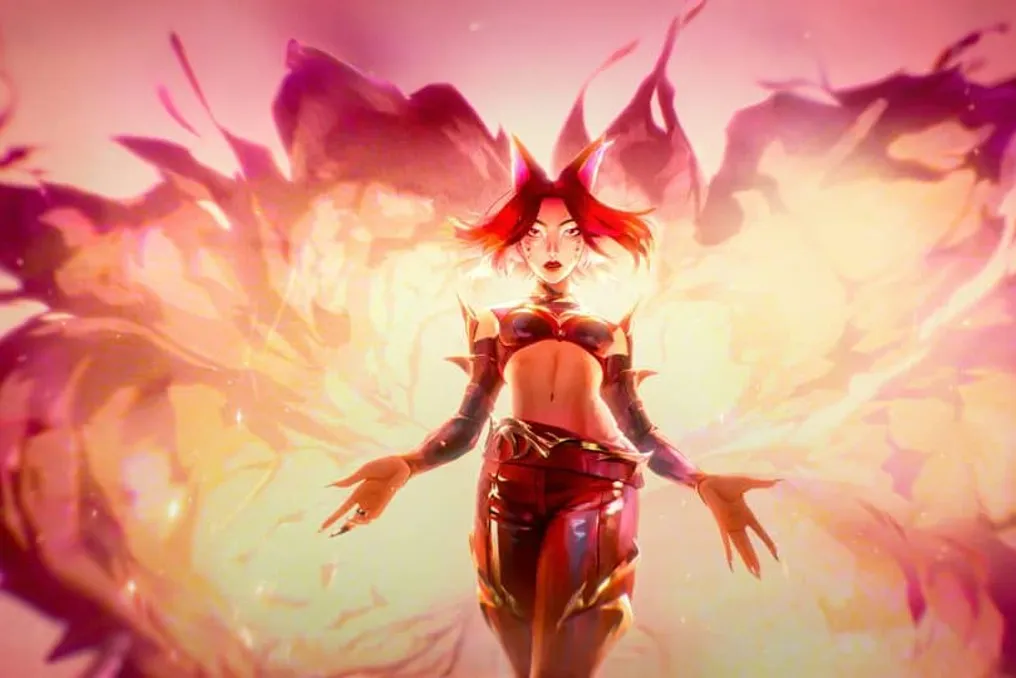
In addition to promoting music, Riot is expanding the places where its characters can be discovered, followed, and consumed. K/DA, launched in 2018, is a notable example of this union between League of Legends and the music industry. This virtual group consists of four champions from the game: Ahri, Akali, Evelynn, and Kai’Sa, each receiving a visual identity inspired by the aesthetics of K-pop groups, including costumes, personalities, and a unique style.

The debut came with «POP/STARS», a song that integrated real artists, digital characters, and sophisticated audiovisual production. The music video showed the champions in different versions of those players used to seeing in matches. The intention was twofold: to allow those already familiar with League of Legends to see a new interpretation of their idols, while simultaneously presenting Riot's universe to pop music fans without the need to play.

The connection to K-pop is not accidental. This genre has a fan culture closely tied to the visual identity of the artists, choreography, costumes, and collective participation. By incorporating these linguistic elements, K/DA provided experiences similar to those of a traditional music group, even though its members are fictional.

Choreography also gained prominence. The movements displayed in videos and dance performances allow the audience to actively participate in this universe, even without understanding League of Legends mechanics. The result is a relationship with the characters that transcends the game itself.

A crucial aspect of this strategy is the longevity of the music in fans' routines. Unlike a common advertising campaign, which loses relevance after a product launch, a song can be listened to for years. «POP/STARS», for example, was released in 2018 but may still be in the playlists of those who followed K/DA's debut at that time. Platforms like Spotify and YouTube allow these songs to be consumed independently of the game.

Fans can listen to K/DA while working, studying, or commuting around the city, without needing to open the League of Legends client to stay connected to the Riot universe. The addition of music videos on Netflix introduces another avenue for this behavior. By grouping previously released productions in an audiovisual streaming service, the developer increases the touchpoints between its intellectual properties and the public.

This cross-platform circulation also exposes characters to people who appreciate K-pop but have no immediate interest in competitive games. Thus, League of Legends no longer relies solely on matches to remain relevant in its consumers' daily lives.

There is also a commercial interest behind this proximity between music and video games. League of Legends is a free game, but it offers optional digital items, such as skins, that change the appearance of the champions. By presenting Ahri, Akali, Evelynn, and Kai’Sa as members of a musical group, Riot is not just creating entertainment; it is generating new visual identities for characters already in its catalog.

The themed skins allow players to use these versions within the game, connecting the musical experience with the competitive one. It is at this point that the emotional bond with the characters can influence consumption. A player might admire a champion for their skills or playstyle, but they might also identify with their personality, costume, music, or participation in a music video. In this second scenario, the skin ceases to be just an aesthetic change and begins to carry a meaning linked to the fan's identity. The purchase can serve as a way to express affinity for a character or signal belonging to a community.

This does not imply that listening to K/DA necessarily leads someone to buy skins. To confirm this relationship quantitatively, sales and consumer behavior data would be needed. However, the strategy creates the conditions for digital products to be presented in cultural experiences that the public already values. Instead of promoting a skin only within the game, Riot builds a musical universe that gives meaning to that product.

The relationship between K-pop and League of Legends is also manifested outside digital platforms. Cosplayers recreate the characters' costumes, while dance groups perform choreographies inspired by the music videos. Such manifestations are important because they do not depend exclusively on content produced by Riot; the fans themselves take on the reinterpretation and promotion of the characters.

A cosplay can attract the attention of someone who has never played League of Legends. A dance performance can reach people interested in K-pop but unfamiliar with K/DA. In this way, the community helps expand the cultural circulation of the brand. One example of this was the participation of a Brazilian cosplay group in the League of Legends World Championship final in New York on November 14. Coordinated by cosmaker Leon Martins, the quartet consisting of Farah, Yoshi, Mari Fujino, and Larah was selected to represent the K/DA members.

The visual representation of the group was inspired by «FIRESTARTER», a song released in October, reinforcing the link between the music release and community participation. This initiative demonstrates how a universe created for a competitive game can transform into an artistic experience, encompassing costume, performance, and cultural identity.

The tactic of expanding beyond screens is not limited to streaming services. In Brazil, Riot Games organized an in-person event at the Meruru Store, in the Liberdade neighborhood of São Paulo, on November 2. The location was transformed into a themed pop-up store dedicated to the groups K/DA, True Damage, and HEARTSTEEL. The event included pop culture activities, such as photo areas with cosplayers, interactive experiences, themed products, and fan meetups, also featuring illustrators Colour Alex and Ryumen Concept.

The choice of Liberdade is related to the presence of Asian culture in the neighborhood and the public's interest in cultural manifestations like K-pop. In this context, visiting did not require an interest in competing in League of Legends; one could participate through music, characters, art, or simply an appreciation for pop culture. For Riot, this type of action strengthens the bond between consumers and their intellectual properties, causing contact with the game to occur in physical spaces, generating opportunities for fan interaction.

Although K/DA is one of the best-known examples, it is not Riot Games' only musical initiative. The True Damage group explores hip-hop references, while HEARTSTEEL proposes something inspired by male pop groups. Each project uses League of Legends characters but works with distinct musical styles, visual identities, and potential audiences. This variety allows the company to reach consumers whose interests go beyond the MOBA genre to which League of Legends belongs.

The release of the compilation on Netflix consolidates these initiatives into a single catalog, allowing observers to see how Riot has built diverse musical identities from the same fictional universe. The strategy also connects to other audiovisual projects by the developer. The animated series Arcane, created by Riot Games and animated by the Fortiche studio, distributed by Netflix, proved how League of Legends characters and narratives can reach viewers who do not know the game. Fortiche also collaborated on the production of K/DA music videos, such as «POP/STARS» and «FIRESTARTER», reinforcing the aesthetic connection between animation, music, and video games. Despite being different formats, these productions share the goal of making the Runeterra universe accessible through other entry points.

The release of the collection on Netflix signals a significant transformation in how gaming companies can build their brands. The relationship with the consumer does not have to begin or end when they start or stop playing a game. It can endure through music, series, music videos, events, products, and manifestations created by the community itself. In the case of Riot Games, this expansion also helps solidify the identity of characters that have commercially marketed digital products within League of Legends. It is a tactic that unites entertainment, brand building, and monetization opportunities.

However, there is a distinction between increasing public interest and proving growth in sales. Without specific data, it is impossible to determine the financial impact of K/DA's musical success for the developer. What is perceived is the creation of an ecosystem where different modes of consumption complement each other. A fan might discover a character through a music video, become interested in the cosplay, start playing, and eventually buy a skin. Another might remain only a listener of the music. In both scenarios, Riot has managed to create a bond with that consumer outside the traditional gaming environment.

The greatest achievement of this strategy lies precisely in this: transforming League of Legends into a universe that the public can continue consuming even when they are not playing.

Popular