Before the adoption of the federal budget for 2027–28, aluminum product manufacturers appealed to the government to allow duty-free import of raw materials. The goal of this initiative is to stimulate domestic consumption and increase the competitiveness of small enterprises.
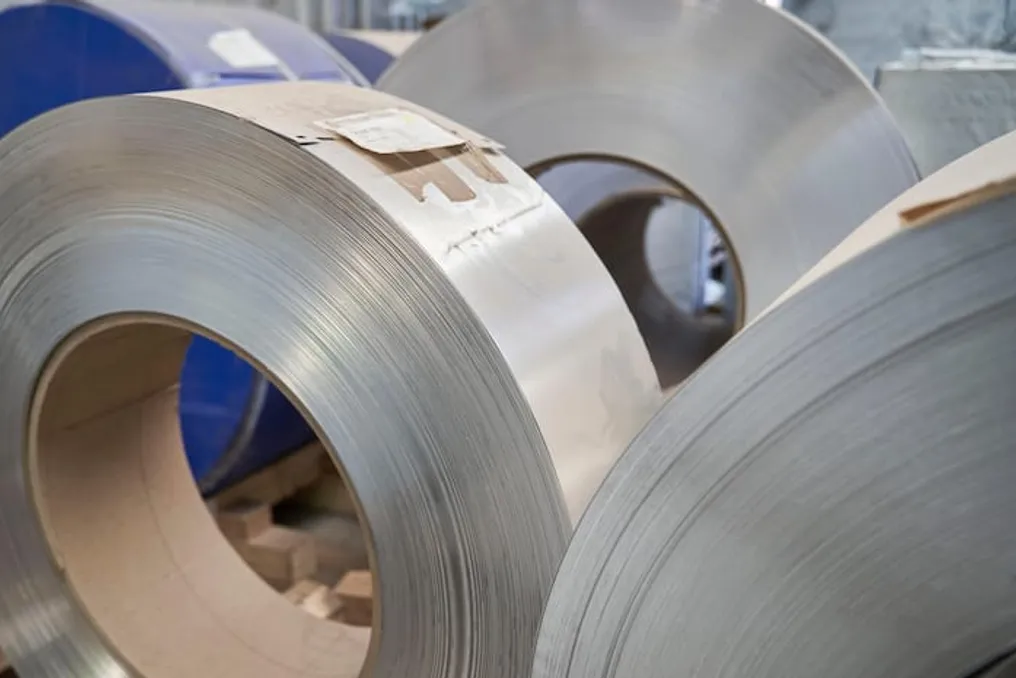
The industrial association ALEMAI sent a letter to Finance Minister Nirmala Sitharaman demanding that the basic customs duty on primary aluminum be reduced to zero. The association argues that the current rate of 7.5 percent, which, including social security surcharges, results in an effective import duty of 8.25 percent, negatively affects micro-, small, and medium-sized enterprises (MSMEs), as well as domestic added value.
The letter from the Aluminium Extrusion Manufacturers Association of India (ALEMAI) stated: 'We respectfully request the government in the upcoming Federal Budget... to reduce the basic customs duty on primary aluminum under tariff heading 7601 from 7.5 percent to 0 percent.'
The proposed measure, according to the association, could strengthen the competitiveness of the domestic production ecosystem, encourage an increase in domestic added value, support MSMEs, improve export opportunities, and expand aluminum consumption in the economy.
Despite India having formed a globally competitive primary aluminum industry and possessing significant potential for domestic consumption growth, the aluminum processing sector, which includes many MSMEs, continues to face a structural price disadvantage due to the current structure of tariffs on primary aluminum—the main raw material.
It is also noted that the prices of primary aluminum in the domestic market depend on international prices and import parity factors; therefore, the customs duty on imported primary aluminum is an important component of the benchmark for domestic prices. This issue was highlighted by the Ministry of Mining in its Document on the Vision of the Aluminum Sector for 2025.
According to this document, in 2022, the processing sector in India paid approximately $470 million more than it should have due to import parity-based pricing. The document emphasizes that these additional costs led to a slowdown in growth and investment in the processing sector.
The impact is particularly felt by MSMEs, as the cost of raw materials constitutes a significant portion of total production costs. An increase in input costs directly affects profit, capacity utilization, investment decisions, and the ability of Indian manufacturers to compete in both domestic and international markets.
Furthermore, processors are increasingly facing competition from finished and semi-finished products imported under preferential or zero rates within India's free trade agreements. This creates an asymmetry and an inverse tariff structure where Indian manufacturers bear higher raw material costs, while imported products enter the country at lower or zero tariffs.
Rationalizing the customs duty on primary aluminum would help eliminate this structural disadvantage and ensure higher added value within India. The proposed measure would reduce the burden of raw material costs for aluminum product manufacturers, enhance the competitiveness of MSMEs in export markets, and strengthen domestic production and added value.