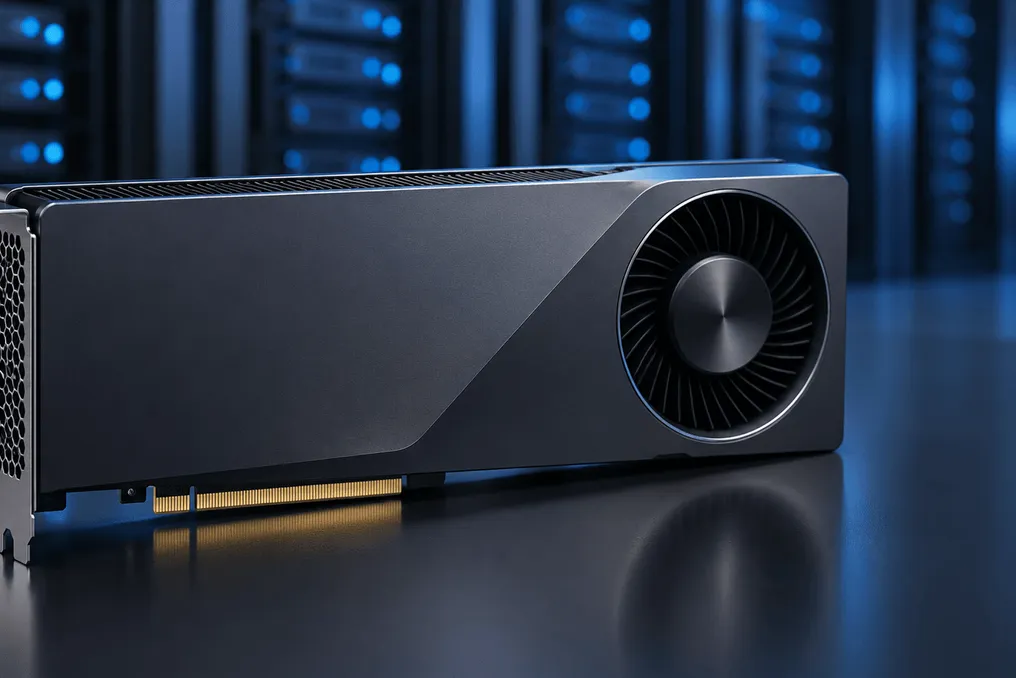
Qingmao Intelligence has presented a plan for joint operations to create an artificial intelligence inference network based on Huawei Ascend 950DT equipment. According to the plan, the network should include 10,000 accelerator cards by 2027. A longer-term goal, described in the November QbitAI report, envisions expanding this network to 100,000 cards within five years, covering various regions and chip platforms.
This initiative was announced on November 17th with the participation of Ascend ecosystem partners and other industry participants. The proposed 'Token Factory' represents an operational model for providing tokens generated by models, rather than an announcement about the operation of an existing 10,000-card facility.
Division of Responsibilities
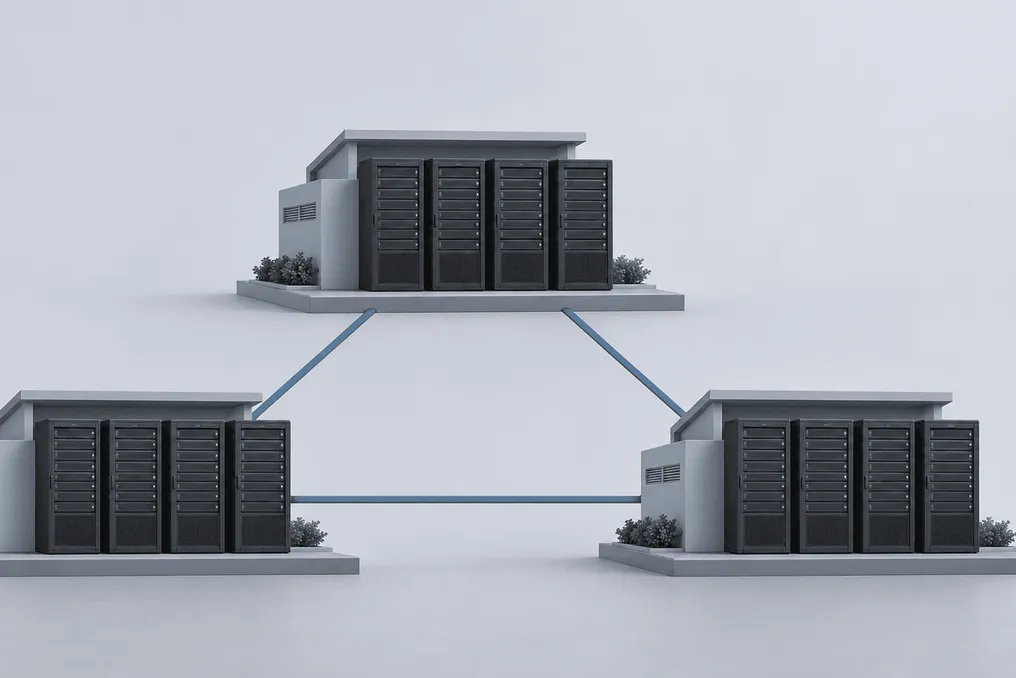
The plan distributes tasks among four groups. Ascend ecosystem partners are responsible for supplying chips, supernodes, and technical support. Data center operators provide computing resources, power, and infrastructure. Model developers and traffic partners ensure demand and assist in assessing service quality. Qingmao takes charge of coordinating software optimization, planning, unified accounting, and daily operations.
The company states that service level agreements and overall metrics will define each party's contribution, operational duties, and profit-sharing mechanism. The goal is to provide a unified inference service on resources owned or managed by different participants, rather than simply summing up the total number of installed accelerators.
Qingmao points out that its previous experience includes collaborating with over 20 data centers, planning nearly 20,000 internal accelerator cards, and adapting more than 15 types of chips. Furthermore, the company reports deploying about 10 Ascend 910C supernodes. These figures relate to previously completed work on various platforms and should not be considered the completed capacity for the planned 950DT program.
The company views software as the connecting layer: the inference engine improves performance on individual hardware platforms, while the management software coordinates resources, monitoring, and token accounting across data centers. Acceptance criteria include effective throughput, first-token latency, output speed, accuracy consistency, availability, and cost per million effective tokens.
This roadmap differs from the inference optimization solution based on BAAI and Qingmao FlagOS, which was presented at the same event and concerned specific Ascend 910C and 910B workloads. The new approach focuses on how client capacity and demand will be organized on a larger scale.
It is important to note that achieving the 2027 goal and the five-year expansion remain company plans. The report does not confirm that the proposed 10,000-card 950DT pool is operational, nor does it conduct an independent audit of its future utilization, service quality, or economic viability of service provision.