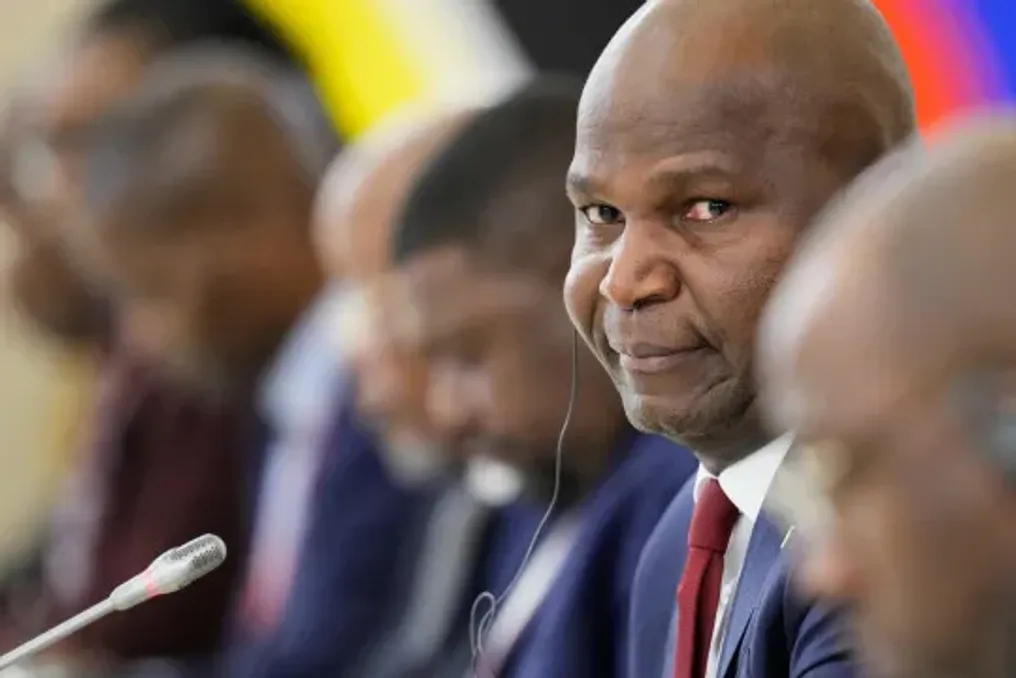
Mozambique President calls for reduction of bureaucracy to improve business climate
Read more
Noticias ao Minuto
noticiasaominuto.com

Mozambique President calls for reduction of bureaucracy to improve business climate

The President of Mozambique called for the reduction of bureaucratic obstacles in the country and the improvement of business conditions with the aim of implementing projects that promote job creation and income.

Daniel Chapo delivered his speech at the closing of the Second International Investment Conference in Gaza, a province in southern Mozambique, which was held under the slogan 'Turning potential into investment, investment into prosperity.'

Chapo stated that investing in Mozambique, and especially in Gaza, needs to be simpler, more transparent, and more competitive. He advocated for simplifying and digitizing administrative procedures, combating corruption, and strengthening legal certainty to attract productive investments to the province.

During this address, the head of state also appealed for the mobilization of both domestic and external, responsible, and long-term investments.

According to Daniel Chapo, who emphasized the potential of this southern province, the true success of the conference should be measured not by signed memoranda or declarations of intent, but by actually implemented investments and benefits received by the population.

The President asked the Provincial Executive Council of Gaza, considered the breadbasket of the Mozambican nation, to work together with state representative services and central government institutions to ensure systematic monitoring of commitments made during the conference.

He explained that this process must be based on concrete action plans with clearly defined responsibilities, deadlines, and monitoring and evaluation mechanisms to support the implementation of announced projects.

In his speech, Daniel Chapo also insisted that foreign investments should contribute to strengthening national entrepreneurship, promoting knowledge and technology transfer, and integrating Mozambican companies into supply chains.

He stressed: 'We do not want large investments isolated from the national economy, but investments that create opportunities for small and medium local enterprises, especially for youth and women.'

The government highlighted Gaza as a province with the potential to become a platform for production and trade for domestic markets and South African markets, pointing to opportunities in agriculture, agro-processing, tourism, logistics, energy, mineral resources, fishing, and aquaculture.

According to Daniel Chapo, the economic transformation of the province requires investments in roads, energy, water, communication, and logistics to reduce production costs, bring producers closer to markets, and increase the region's competitiveness.

He concluded his speech by stating: 'We want to send a clear signal to state institutions: the investor should find a partner in the State who facilitates, directs, and helps solve problems, not the biggest obstacle to overcome.'
Similar stories

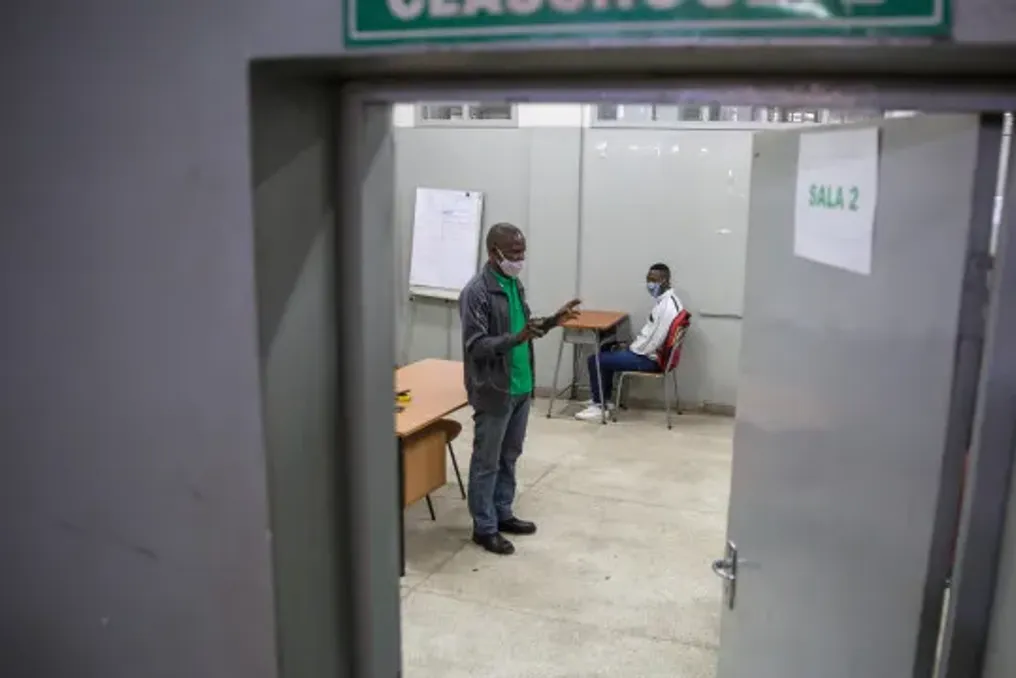
Mozambique Government Adapts Vocational Education to Labor Market Demands
Read more
noticiasaominuto.com

Mozambique Government Adapts Vocational Education to Labor Market Demands

The Mozambican government intends to align technical and vocational education with the needs of the labor market, preparing youth for entrepreneurship. Plans have been announced to increase the private sector's involvement in defining the competencies that graduates must possess.

The Minister of Education and Culture, Edson Macuacua, stated in Maputo that educational institutions must prioritize acquiring practical skills rather than just obtaining diplomas. This is necessary so that graduates can meet company demands and run their own businesses.

The Minister emphasized that the industrial sector should dictate the content of training in technical schools so that the educational offering perfectly matches real market demand. He believes that training should prepare young people not only for finding jobs but also for creating their own businesses, such as small workshops, agro-industrial enterprises, and technological services.

Macuacua advocated for the development of management, innovation, and business initiative skills. He stated that the goal of education is not merely obtaining a diploma, but preparing specialists to fill real gaps in the business sector. Furthermore, the ministry is strengthening partnerships with the private sector, particularly through the Confederation of Mozambican Economic Associations (CTA), to bring education closer to market needs.

Nevertheless, Macuacua acknowledged that the system faces challenges related to the restoration and equipping of technical institutes and schools, the creation of laboratories, expanding access, continuous teacher training, and institutional funding. He insisted on closer coordination between the Government, partners, and the industrial sector.

The Minister noted the urgent need to fully restore and equip technical institutes and schools with laboratories, equipment, and machinery that simulate current industrial reality. Mozambique began reforming vocational education 20 years ago, replacing the traditional discipline-based model with a competency-based system.

In June, the Secretary of State for Technical and Vocational Education, Leo Jamal, admitted that the transition still involves difficulties, especially in the implementation of the new model by institutions. As of 2024, 264 vocational education institutions were operating in the country, compared to 171 in 2017, of which 162 were private. The number of students also increased from 83 thousand in 2017 to 122 thousand in 2024, with about 70% studying in private institutions.

During the Second National Summit on Vocational Education, representatives of the Government, educational institutions, cooperation partners, and the private sector gathered to assess progress in vocational training, discuss systemic challenges, and define strategies to align youth qualifications with labor market needs.

Popular