Iran and Turkey are interested in expanding cooperation in the field of cinema
Read more
Tehran Times
www.tehrantimes.com

Iran and Turkey are interested in expanding cooperation in the field of cinema

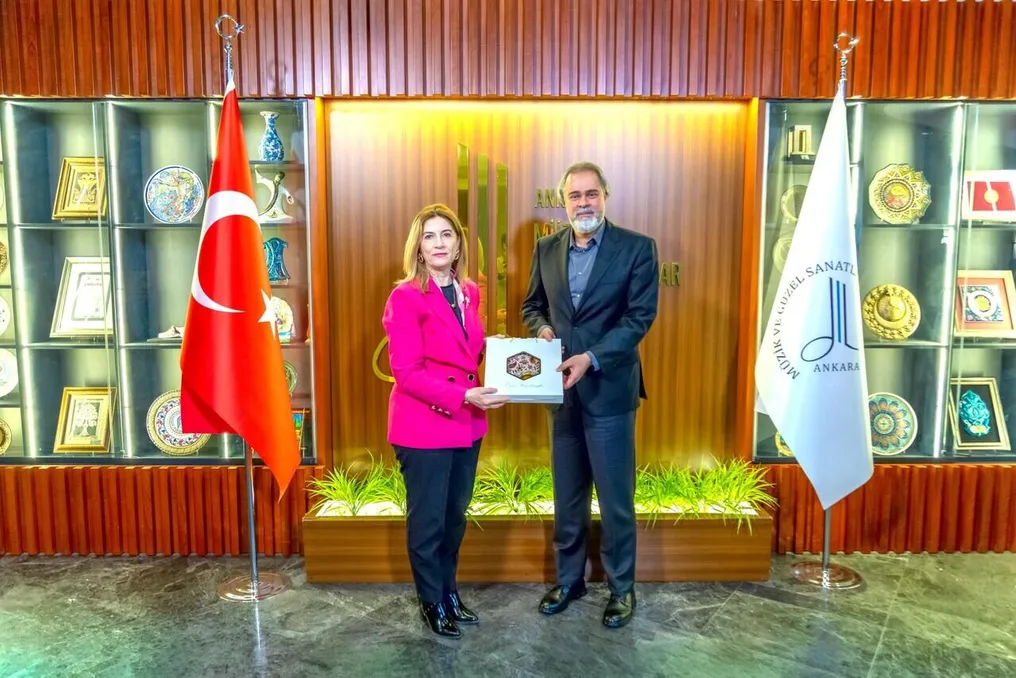
During a meeting held in Ankara, Turkey's Raed Faridzadeh, head of the Iranian Cinema Organization, and Gulchin Yahya Kachar, president of the Ankara University of Music and Fine Arts, emphasized the need to deepen cooperation between Iran and Turkey in the fields of cinema, science, and academic research.

Both sides discussed the common opportunities of the countries in cultural and artistic spheres, as well as strategies for strengthening bilateral ties, according to the IRNA agency. Faridzadeh noted the potential for joint work in the film industries of Iran and Turkey.

He highlighted the screening of Iranian films and the organization of specialized master classes, particularly in documentary and short film, as key areas for joint efforts, emphasizing the possibilities of utilizing the works of Iranian documentarians. Furthermore, Faridzadeh mentioned the desire to create an international film journal indexed in Scopus, defining the expansion of scientific and research cooperation in cinema as another area for interaction.

He also stressed the importance of developing joint scientific articles and defining common research programs for such cooperation.

Asgar Farsi, Iran's cultural attaché in Turkey, who spoke at this session, focused on the importance of maintaining contacts and strengthening cultural and human ties between the two nations. He stated that the cultural and emotional similarities between the peoples of Iran and Turkey are rooted in long-standing ties and shared cultural experience, which serve as a basis for expanding cooperation in various fields, including art and cinema.

Farsi also insisted on continuous cultural and artistic interaction and utilizing existing opportunities to develop bilateral relations. He viewed the organization of film events alongside other cultural and artistic programs as a way to strengthen ties and increase mutual understanding.

For her part, Gulchin Yahya Kachar described the university's educational opportunities in cinema and media, specifying that the university offers two related bachelor's courses in radio and television, as well as in cinema, developed with different approaches: one more focused on practical aspects, and the other on theoretical and academic research.

Expressing interest in developing joint cooperation with Iran, she added that they are ready to participate in joint projects with Iranian cultural institutions and academic centers, as well as create opportunities for joint programs. She expressed hope that by expanding academic and cultural interaction between the countries, existing opportunities can be utilized to achieve effective and practical cooperation.

The meeting also discussed the development of educational and cinematic partnership, the exchange of experience between filmmakers and students from both countries, the organization of short-term training courses, providing Turkish students with the opportunity to visit Iran for practical experience in filmmaking, as well as the exchange of Iranian students in Turkey.

Similar stories

Iran seeks to strengthen cross-border tourism cooperation with neighboring countries
Read more
www.tehrantimes.com

Iran seeks to strengthen cross-border tourism cooperation with neighboring countries

Iran intends to more effectively utilize the tourism potential of its border provinces by strengthening direct interaction with neighboring states, stated Moslem Shojaei, Director General for Marketing and Development of Foreign Tourism at the Ministry of Cultural Heritage, Tourism and Handicrafts.

In an interview with Tehran Times, Shojaei presented a new initiative aimed at forming tourism partnerships between Iranian border regions and neighboring territories. This program is designed to expand the role of local tour operators in international promotion, facilitate experience exchange among industry specialists, and transform long-standing cultural, linguistic, and commercial ties into new opportunities for attracting foreign visitors.

Amid significant regional uncertainty caused by tensions and the possibility of renewed conflict, the overall tourism environment is influenced by instability. Foreign Minister Abbas Araghi recently emphasized the importance of provincial diplomacy and closer cooperation between border provinces and neighboring countries. A question arises as to how this approach is reflected in tourism policy and the logic behind the initiative known as Gozar-As-Marz, which literally means 'Beyond Borders.'

When the general environment of the tourism industry changes due to regional events, tensions and uncertainty increase. In a situation that cannot be called either war or peace, it is difficult to predict future developments. Naturally, existing strategies and working methods must adapt to these changing circumstances.

One of the key reasons for launching the 'Beyond Borders' initiative was the desire to make the tourism sector more flexible and capable of responding to such conditions. It requires implementing an approach that allows plans to be adjusted and tourism links to be maintained even amid unpredictable broad regional conditions.

The initiative also has a theoretical basis in economics and geography, particularly in the concepts of decentralization and the significance of peripheral regions. Policies developed at the central level cannot always be effectively transferred to border areas without considering their specific characteristics. Without sufficient coordination and cohesion, such a 'top-down' approach can lead to errors.

Border territories are often better informed about their own problems and capable of solving them because they deeply understand local conditions and have direct contacts with communities across borders. This is essentially a 'bottom-up' planning approach, unlike the 'top-down' models that were more common in the 1980s and 1990s.

The main idea is simple: each Iranian border province should establish closer working relations with the corresponding province or region in a neighboring country.

For example, provinces such as Ilam, Khuzestan, Kermanshah, and South Khorasan can cross the border, interact with their partners, and develop joint tourism projects.

Previously, international tourism promotion was often carried out under a centralized model, where it was expected that provinces would attract foreign visitors themselves by conducting advertising campaigns, inviting specialists, and organizing familiarization tours involving influencers to showcase their destinations and products.

However, border provinces have a special advantage. Their local tour operators, tour organizers, and hotel owners are already familiar with neighboring regions and often maintain direct contacts with colleagues there.

Take West Azerbaijan, for instance. Local tourism specialists in this province know the neighboring areas much better than national-level officials. They have already established contacts with tour operators across the border. An initiative that might require two or three months of coordination from the Ministry of Foreign Affairs and other central bodies can sometimes be organized by local operators in just one or two days, using only a few WhatsApp messages, social media exchanges, and meetings. This provides border provinces with greater speed and flexibility in organizing joint events.

There are several factors contributing to the effectiveness of these connections. For example, border communities often have long-standing commercial relationships, cultural similarities, and family ties across state borders. In many cases, people on both sides speak the same language or share closely related cultural traditions.

For instance, Kurdish communities in Kermanshah and Kurdistan province have close cultural and linguistic ties with the Kurdistan region of Iraq. Similarly, Arab communities in Khuzestan maintain cultural and linguistic ties with the Arab population across the border in Iraq.

These ties simplify communication and help tourism specialists understand the preferences, expectations, and interests of potential visitors. As a result, tour operators in border provinces are often better equipped to identify suitable markets, promote local attractions, and attract tourists from neighboring regions. They understand the language, culture, and preferences of their potential clients.

Iran borders 15 countries and has 16 border provinces, opening up significant opportunities for cross-border tourism cooperation. There are numerous potential connections. For example, Sistan and Baluchestan province can develop tourism relations with neighboring Pakistani provinces. South Khorasan can strengthen cooperation with Afghanistan, and Khorasan Razavi can rely on its existing geographical and cultural ties with Afghan regions, including Herat.

Sarakhs and other border areas can also establish closer tourism ties with Turkmenistan. Similarly, Golestan province has opportunities to cooperate with its Turkmen partners. These examples demonstrate how the initiative can develop in different parts of the country. Each province can determine the most suitable neighboring regions and build cooperation based on its geographical location, cultural proximity, and existing economic relations.

One of the main tools will be familiarization tours. Tourism specialists from neighboring countries, especially those involved in sending travelers, will be invited to visit Iranian border provinces to familiarize themselves with their attractions and tourism infrastructure.

For example, tour operators and other tourism representatives from the Kurdistan region of Iraq may visit Kermanshah, Sanandaj, and Marivan to study their tourism potential. They may also visit West Azerbaijan through border crossings such as Tamarchin to get acquainted with the province's attractions and sites.

These programs may include tour operators, hotel owners, tourism service providers, and social media influencers. The goal is to present Iranian destinations and tourism products directly to the people who can promote them and organize trips. Instead of relying solely on centralized advertising events, the aim is to create direct and long-term working relationships between local tourism stakeholders and their partners across the border.

When local authorities are directly involved in these agreements, problems can often be identified and solved faster. Ultimately, the initiative aims not only to promote destinations but also to strengthen the resilience of tourism links. By expanding the powers of border provinces and encouraging direct interaction with neighboring regions, channels for travel and economic exchange can be maintained even in difficult conditions.
Session on the Connection Between Iranian Cinema and Philosophy to Take Place in Tehran
Read more
www.tehrantimes.com

Session on the Connection Between Iranian Cinema and Philosophy to Take Place in Tehran

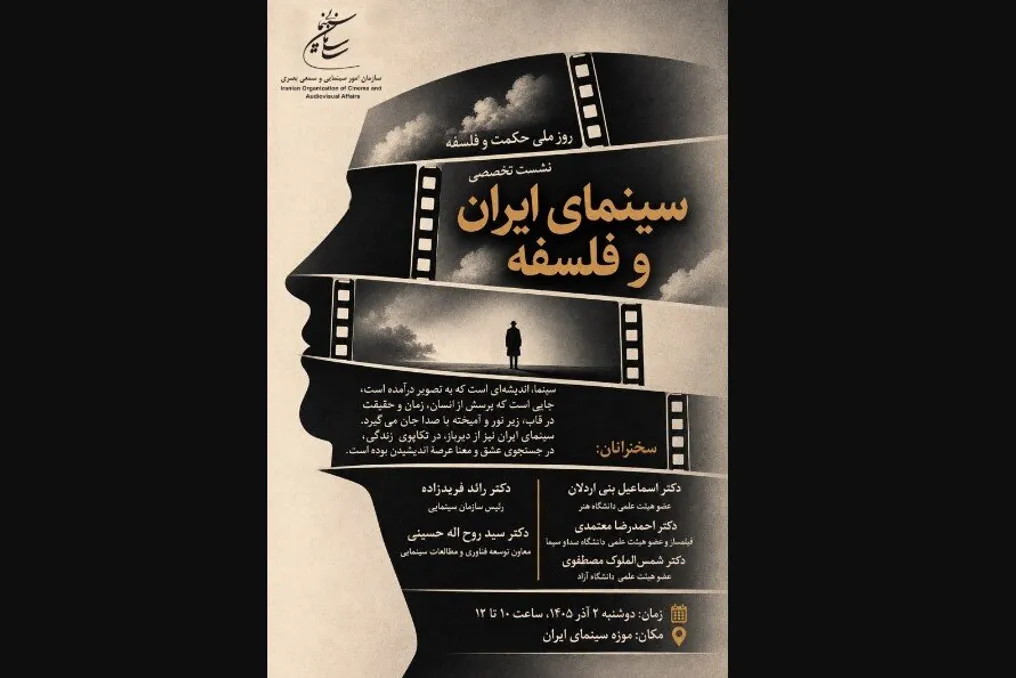
As part of the celebration of National Day of Wisdom and Philosophy, a special session will be held in Tehran where Iranian scientists and film figures will discuss the relationship between Iranian cinema and philosophy.

The program, organized by the Iranian Organization of Cinema and Audiovisual Affairs, is scheduled for Monday at the Iran Film Museum in Tehran. The session, titled 'Iranian Cinema and Philosophy,' will gather researchers and cultural figures to study how philosophical thought is reflected in Iranian film production, and how cinema can serve as a means of comprehending fundamental questions of human existence.

Speakers will include Esmail Bani Ardalan, a lecturer at the Fine Arts University; Ahmadreza Motamedi, a film director and lecturer at Soor University; and Shamsolmolouk Mostafavi, a lecturer at Islamic Azad University. Also participating in the event will be Raed Farizadeh, head of the Iranian Organization of Cinema and Audiovisual Affairs, and Seyyed Ruhollah Hosseini, deputy of the organization for technological development and cinematic research.

The opening statement of the event defines cinema as the embodiment of thought on screen, creating a space for exploration through images of questions about humanity, time, and truth. It also emphasizes the long involvement of Iranian cinema in themes of life, love, and meaning, characterizing it as an area of intellectual pursuit and reflection.

The program will also feature a presentation of the book 'The Other is Hell' by Saideh Ajorbandian. This book analyzes the dramatic works of American playwright Sam Shepard through the lens of the existentialist thought of French philosopher Jean-Paul Sartre. Published in Tehran by Yekshanbeh Press, the book offers a philosophical analysis of Shepard's plays, exploring the existential ideas reflected in his dramatic universe. It examines the connection between Shepard's characters and the human condition, relying on Sartre's philosophical perspective to study issues of identity, being, and interpersonal relationships.

The goal of this gathering is to provide an opportunity to study the philosophical aspects of Iranian cinema and discuss the ways in which cinematic expression interacts with ideas and questions central to the human experience.

Iran and Armenia plan to expand cultural cooperation following delegation meetings
Read more
www.tehrantimes.com

Iran and Armenia plan to expand cultural cooperation following delegation meetings

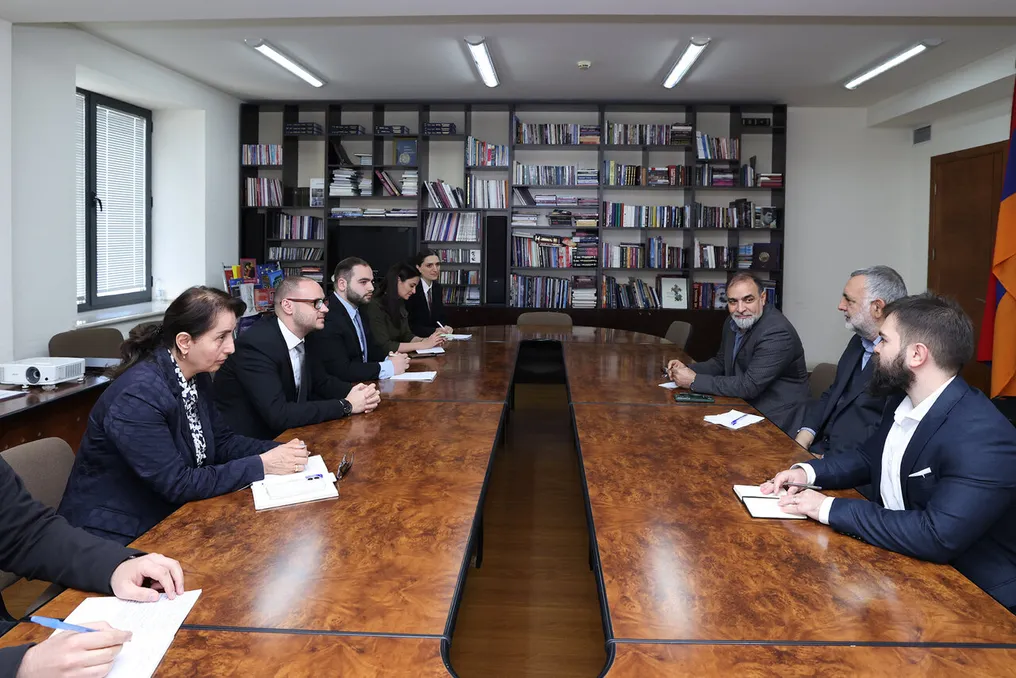
A specialized meeting was held in Yerevan where a high-level delegation from the Islamic Republic of Iran, led by Vice President Seyed Hamid Pourmohammadi, held talks with Armenian officials. Among those present was Alfred Kocharyan, Deputy Minister of Education, Science, Culture and Sport of Armenia. The parties discussed strategies for developing cultural ties between the two states.

At the beginning of the meeting, Kocharyan highly praised the centuries-old cultural ties between Armenia and Iran, emphasizing the importance of opportunities for their deepening in various fields. He noted the existing successful cooperation and stressed the need to implement joint programs in the field of intangible cultural heritage and contemporary art.

Mohsen Javadi, Deputy for Cultural Affairs at the Ministry of Culture and Islamic Guidance, also spoke at the meeting. He stated that the Iranian delegation is engaged in cultural matters to seek new opportunities and strengthen existing partnerships. Javadi noted that the main goal of these negotiations is not to create ties from scratch, but to develop, expand, and organize the cooperation that has already formed through the initiative of artists, cultural activists, and the people of both countries.

Javadi emphasized the rich historical and civilizational heritage of Iran and Armenia. He pointed out that the presence of enthusiasts of the Persian language, Iranianology researchers, and scholars familiar with Iranian culture in Armenia creates a favorable environment for the development of cultural interaction. He also insisted on moving from general discussions to concrete programs, suggesting that the topics discussed at this meeting be formalized through official correspondence, definition of priorities, and the development of executive agreements in subsequent stages.

Javadi invited Armenian cultural officials to visit Iran and proposed holding Armenian Cultural Weeks in Tehran, as well as in cultural centers such as Isfahan and Shiraz, alongside reciprocal Iranian Cultural Weeks in Yerevan. According to him, such events could include a wide range of cultural and artistic activities: book fairs, literary programs, film screenings, musical performances, exposure to fine arts, and specialized seminars.

Stressing the importance of broad public participation, Javadi noted that cultural weeks allow cultural ties to go beyond elites and professionals, enabling ordinary citizens, especially youth and families, to learn about the cultural achievements of another country. During the discussion among high-ranking officials, a proposal was put forward to select and translate a collection of outstanding works by Iranian and Armenian authors.

According to this proposal, works by prominent contemporary Armenian authors in the genres of fiction, poetry, art, science, and technology will be selected for translation into Persian, while a collection of works by Iranian writers and researchers will be presented for translation and publication in Armenian. The Deputy for Cultural Affairs noted that although a significant portion of the audience in Iran and Armenia is familiar with the names of classical writers from both countries, the works of young authors and new literary trends are less widely represented in the partner's language. He stated that expanding the translation of contemporary works could bridge this gap and provide a platform for the new generation to become acquainted with the thoughts, concerns, and socio-cultural development of both societies.

In this context, the need to develop cooperation between publishers, translators, universities, and research centers of the two countries was also highlighted. Another part of the negotiations was the expansion of mutual presence of Iranian and Armenian publishing houses at book fairs and festivals. Javadi suggested that the presence of Armenian publishers and writers at the Tehran International Book Fair should be strengthened, given its enormous potential for showcasing foreign authors. Subsequently, the Armenian side proposed studying the possibility of mutual visits to each other's international book fairs as 'Special Guests'. Based on this proposal, Iran and Armenia could achieve broader representation at each other's book fairs during certain periods by utilizing special exhibition spaces and organizing diverse cultural and literary programs.

During the meeting, the presentation of the prose translation of Ferdowsi's 'Shahnameh' into Armenian was noted as a prime example of cultural cooperation. This valuable work was translated by George Asaturyan, and scientific editing and writing the preface was done by Professor Harnik Astaryan, a renowned Armenian Iranianist. This translation is the result of many years of scientific and research activity and presents the narrative parts of the Shahnameh in the format of literary prose for Armenian readers. At the opening ceremony, the efforts of the translator and editor, as well as the contribution of Loris Tjeknavorian, a renowned Iranian-Armenian composer, were acknowledged.

For his part, Pourmohammadi, referring to the place of the 'Shahnameh' in Iran's cultural heritage and its influence on art and literature, proposed creating a 'Shahnameh House' in Armenia involving researchers and artists from both countries. Addressing the international recognition of Iranian cinema, Armenian officials noted the constant presence of Iranian filmmakers' works at the 'Golden Apricot' International Film Festival in Yerevan, calling the festival an effective platform for connecting cinematographers from the two countries. The meeting also touched upon the growing potential of the Armenian film industry and the need to utilize the professional experience of Iranian cinematography. In this regard, the expansion of teaching Armenian language, Armenian studies, and research related to Armenian history and culture in Iranian universities and academic centers became a subject of interest.

The Armenian side, mentioning joint cooperation in presenting cultural traditions and rituals, cited the joint file 'Tradition of Water and Rain Celebration: Tirgan/Vardavar', which was submitted by Iran and Armenia to UNESCO for consideration in 2026 and is on the list of files under review for inclusion in the Intangible Cultural Heritage of Humanity List.

Furthermore, at the meeting, Mohammad Asadi-Movahed, Cultural Attaché of the Islamic Republic of Iran in Armenia, shared his experience in organizing joint programs during his tenure, stating: 'The mission of the Iranian Cultural Center is not only to present Iran's cultural and artistic potential in Armenia; rather, the institution strives to promote the representation of Armenian culture, art, elites, and achievements to the Iranian community.' He described the Cultural Center as a common platform for developing cultural relations between the two nations and emphasized the need to maintain and strengthen both institutional and grassroots cooperation. The Iranian Cultural Attaché also mentioned the naming of the assembly hall in the historic Blue Mosque of Yerevan in honor of Egish Charents, a distinguished Armenian poet and connoisseur of Iranian culture and literature. This act, which took place during the Iranian delegation's visit and in the presence of the Iranian Vice President, aimed to immortalize Charents' literary status and his historical role in the cultural ties between the two countries. During the ceremony, Charents' passion for Iranian literature, especially Ferdowsi's 'Shahnameh', and his historical role in the protection of the Blue Mosque of Yerevan were noted.

Popular