Brescia, which has over two thousand years of history, is the second largest city in Lombardy. Despite its regional importance, it often goes unnoticed in traditional tourist routes of Northern Italy, where the focus usually falls on Milan and Bergamo.
For those who choose to explore the less than 100 km separating it from Milan, Brescia reveals itself as an interesting destination, as it houses Roman vestiges, medieval constructions, and preserves the region's historical memory. Its squares and monuments, characterized by narrow streets and ancient architecture, attract visitors to this city of nearly 200,000 inhabitants.
City Symbols
A prominent landmark is the Castle of Brescia, situated on the Cidneo hill. This fortress is the second largest fortified complex in Europe and exhibits characteristics of the Roman, medieval, and Renaissance periods. Inside the castle is the Luigi Marzoli Arms Museum, named after the businessman and collector whose personal collection originated the institution, displaying one of the largest collections of ancient weaponry and armor on the continent. In the same complex is the Bastione San Marco, considered the first astronomical observatory in Italy.
The Brixia, Archaeological Park of Roman Brescia, was recognized as a World Heritage Site by UNESCO in 2011. It represents the largest urban archaeological site in Northern Italy. The focal point of this park is the Capitolium, a temple erected around 73 AD under the command of Emperor Vespasian, dedicated to the gods Juno, Jupiter, and Minerva. Furthermore, the park contains ruins of a republican sanctuary and a Roman theater, structures dating from between 1 BC and 3 AD.
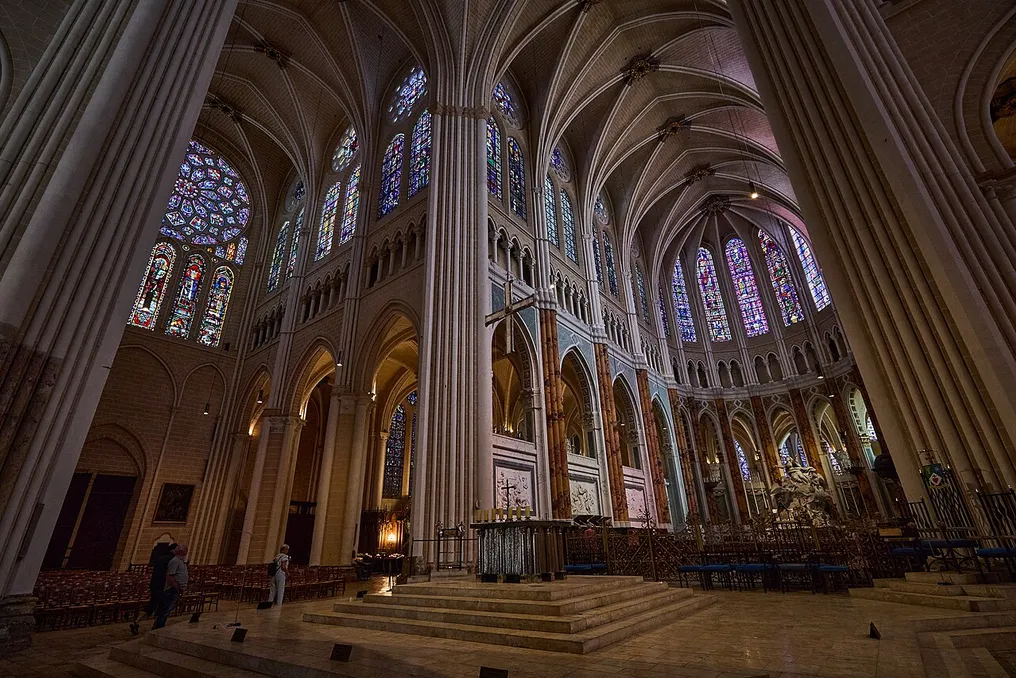
Another unmissable attraction is the Old and New Duomos. These two cathedrals are located side-by-side in Piazza Paolo VI, allowing visitors to observe the contrast between them. The Old Duomo was built in the 11th century, using stone and following the medieval style. The New Duomo was constructed between 1604 and 1825, featuring a marble facade and elements of Baroque architecture, notable for its dramatic visual impact.
Historical Squares and Museums
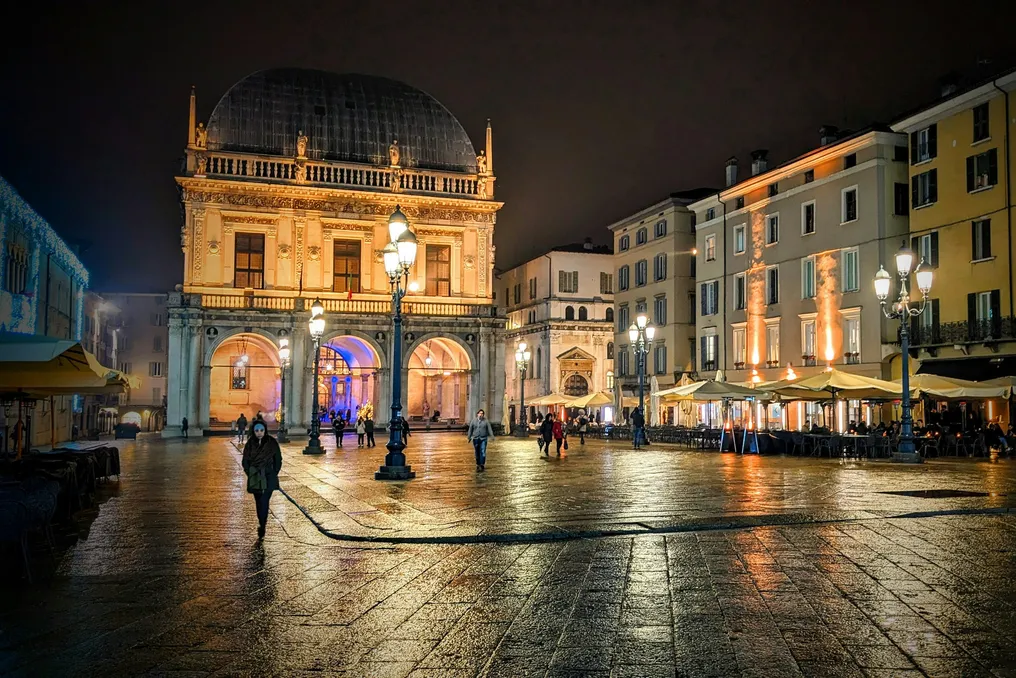
Piazza della Loggia also deserves attention. Its construction, completed in 1674, reflects Venetian style and dates from the Renaissance period. In this square is located the Clock Tower, which features sculptures known as 'the fools of the hours,' responsible for marking time by striking their hammers on the bell. Another famous square is Piazza della Vittoria, where the Italian Post Office Palace, the Revolution Tower, and the Turret are located.
The Santa Giulia Museum, a postcard of the city, was originally a convent built around 753 AD. This ancient monastery houses two churches: Santa Maria in Solerio and the Basilica of San Salvattore. The museum is also recognized by UNESCO and features 14,000 square meters filled with works of art. The collection is organized chronologically and by themes, containing pieces dating from the fourth millennium to the 18th century.
Regarding gastronomy, Brescia offers typical Italian dishes that please visitors, being famous for pasta, pizza, and ice cream. It is worth trying Casoncelli, native to Lombardy, which is a type of ravioli stuffed with meat or vegetables. The Espeto di Brescia, or Spiedo Bresciano, consists of pieces of various meats, usually pork, chicken, rabbit, and smaller poultry, skewered alternately with potatoes. Other regional dishes include beef in Rovato olive oil, bossolà (a Christmas sweet), and persicara (a type of peach compote).
Reaching Brescia from Milan is quite simple. It is possible to use the train, with a journey lasting about an hour; on high-speed trains, the route can be reduced to 40 minutes. A round-trip ticket costs approximately 15 euros when purchased in advance. By car, the distance is 90 kilometers, and upon arriving in the city, free parking is available in the castle area.