The system of state funding for oncological care in Uzbekistan will undergo changes starting in 2027. The medical insurance fund will take over the coverage of expenses stipulated by the guaranteed package, including diagnostics, surgical procedures, provision of medications, and other types of therapy.
The operating mechanism will be regulated according to Presidential Decree No. 238. Starting January 1 of next year, the fund will begin paying medical institutions for a range of services for patients with oncological diseases. This list includes diagnostic examinations, disease staging, surgical interventions, basic hormonal and anti-tumor therapy, radiation therapy, as well as palliative care and rehabilitation.
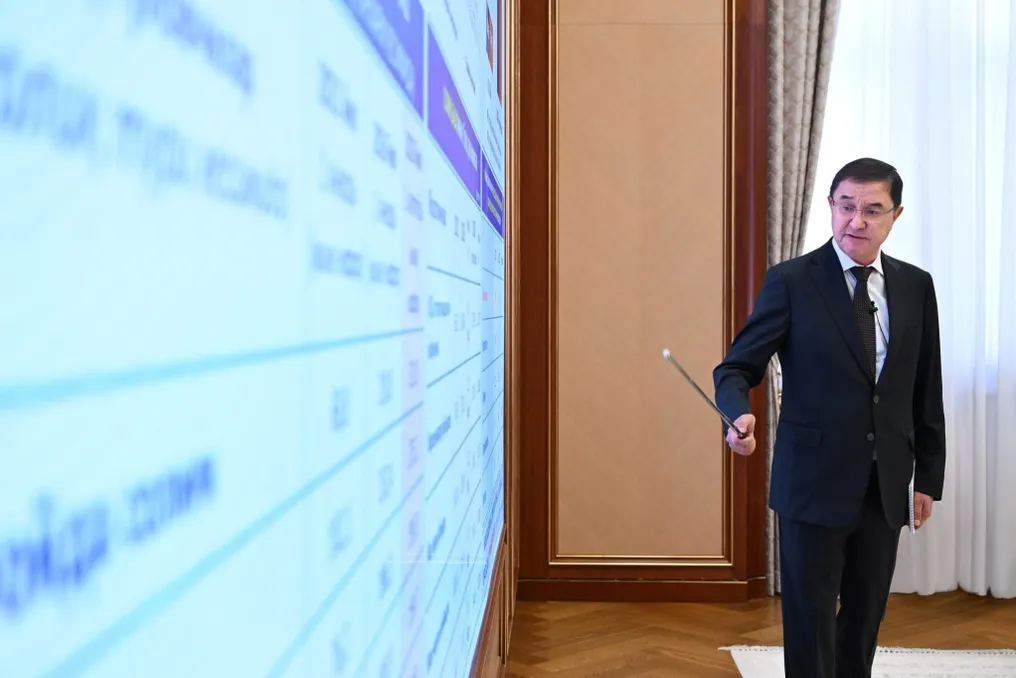
Questions regarding patients' access to medications and potential reimbursement for self-purchased costs were raised at the forum on healthcare accessibility. A correspondent from Podrobno.uz discussed these issues with Marat Kaliev, chief specialist of the Methodology and Training Department of the State Medical Insurance Fund.
Kaliev explained that the current financing model involves transferring funds directly to the medical institutions where patients are treated. These funds are used by hospitals both for providing services and for purchasing necessary medications. Additionally, some medicines are purchased centrally by the Ministry of Health.
The specialist emphasized that this refers to reimbursing the expenses of the medical organization itself, not compensating the costs for patients. Payment is made according to basic tariffs approved by the Ministry of Health. This distinguishes the program from the system of receiving free medications via electronic prescription at regular pharmacies; a special financing procedure has been established for complex and oncological diseases through medical institutions.
It is important to note that state funding does not imply the automatic provision of any expensive drugs. It is strictly tied to approved lists, medical indications, and approved treatment methods.
The forum also addressed the topic of creating a national health technology assessment system. This system is intended to assist in making decisions about which specific treatment methods and medications should be financed from the state budget. The assessment will consider not only financial costs but also efficacy and drug safety; for patients with rare ailments, the severity of the condition and the absence of alternative options will be important.
Furthermore, a gradual expansion of screening programs for stomach, intestinal, lung, and prostate cancer is planned starting in 2027. However, the implementation of these new mechanisms will depend on the readiness of local medical institutions, the availability of necessary equipment, and the organization of care locally. It was previously reported that approximately 29 thousand new cases of cancer were detected in Uzbekistan in 2025.