China Mobile Hunan, in collaboration with Huawei, announced the achievement of a peak downlink speed of 1.86 Gbps during a field test of 5G-Advanced technology. The testing was conducted in the city of Changsha using the aggregation of three carriers in the 2.3 GHz and 2.6 GHz frequency bands.
It is important to note that the obtained result pertains to a specific internal network test, not a nationwide deployment or an announcement of a new chip. In Chinese reports, the 2.3 GHz frequency band is referred to as the E-band, which has a bandwidth of 50 MHz and is combined with 160 MHz in the 2.6 GHz D-band. This local term should not be confused with backbone millimeter-wave E-band channels.
The value of 1.86 Gbps was achieved through the operation of a three-carrier network. When using only the carrier at 2.3 GHz, the project demonstrated downlink speeds of about 400 Mbps and uplink speeds of over 100 Mbps. These figures do not guarantee that an individual subscriber will achieve the same speed outside of measurement conditions.
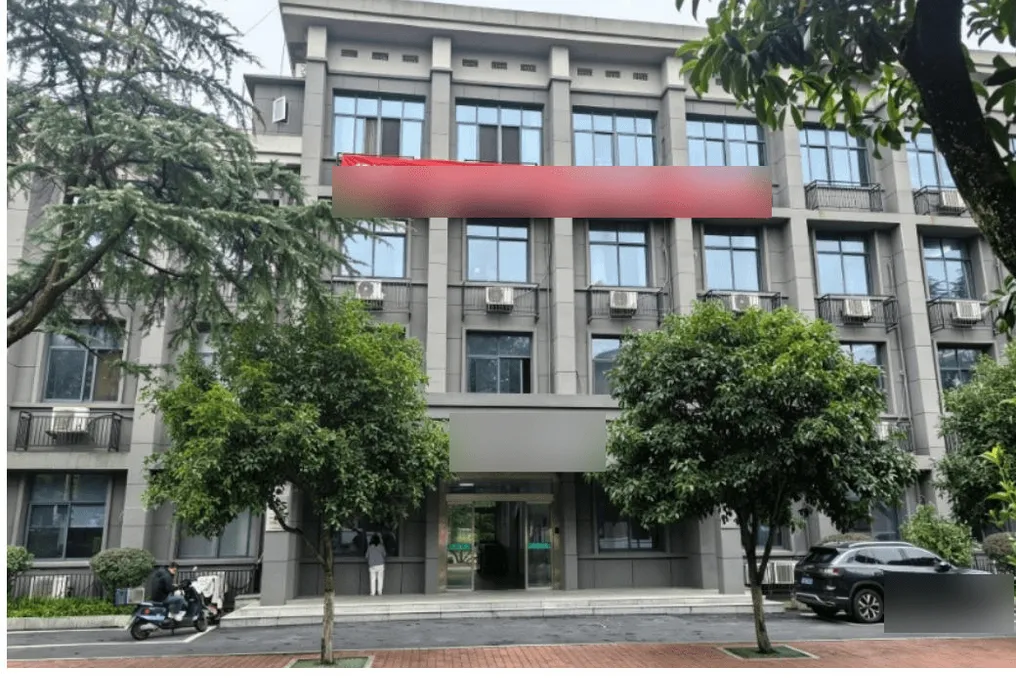
The test was carried out on the internal distributed antenna network of Hunan Agricultural University, where high load from teaching, video streaming, and file transfers can create throughput issues. The combination of available spectrum aims to eliminate this bottleneck while utilizing existing internal coverage infrastructure.
Over the three days of the project, a 4% increase in downlink traffic and a 10% increase in uplink traffic were registered. Changes in traffic volume are not equivalent to a controlled comparison of individual download speeds, and the presented reports do not contain independent testing methodology confirming a broader performance increase.
China Mobile Hunan stated that its current network includes approximately 13,500 E-band modules that can gain these capabilities through a software update. This indicates potential for modernization rather than confirmation that all modules have already been converted or that similar equipment elsewhere supports the same path.
Another limitation is terminal availability: estimates suggest that about 10% of devices in the existing network support this feature. Actual access also depends on supported bands, carrier aggregation, local coverage, signal condition, and the number of simultaneous users. The presence of a 5G-A icon alone does not guarantee sustained peak performance.
The next planned step is to expand internal tests across provinces and assess wider activation. Thus, the published measurements confirm a local engineering demonstration, as practical coverage is still determined by network and device conditions.