The Hy team from Tencent presented its intentions regarding the development of larger models and smaller local deployment options during a Q&A session on the public Reddit forum. This discussion took place early on November 21st in Shanghai, following the release of the flagship Hy4 weights the previous day.
According to a Chinese summary of responses prepared by Zhidx, the team stated that the next Hy model will be significantly larger, and they will continue to invest in large-scale reinforcement learning training. It is important to note that these are development intentions, not an announcement of a new checkpoint, confirmed parameter count, or a set release date.
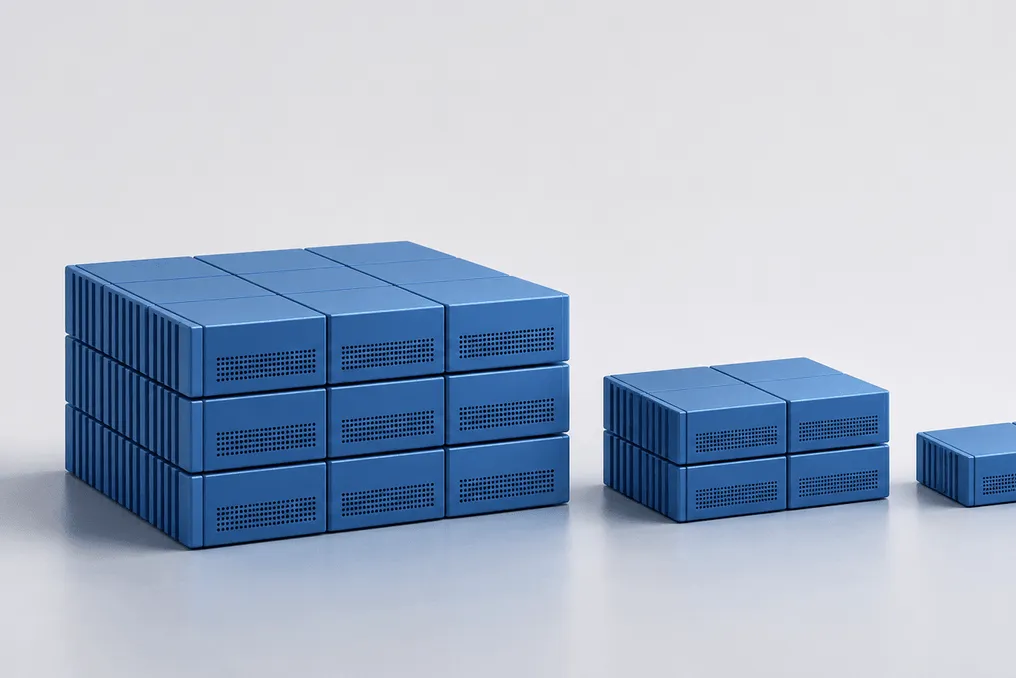
Regarding smaller models, the team described Flash-Lite as planned work and discussed models intended for devices with 24GB of GPU memory. The roadmap also featured Hy4-mini, and a dense model with parameters ranging from 24 to 31 billion was under consideration. The responses do not guarantee that all these products form a single entity or that any proposed configuration is currently available.
Hardware requirements demand similar attention. The mention of 24GB of video memory itself does not define the total system RAM, quantization, context length, or achievable speed. These details are necessary before developers can consider a roadmap item as a specification for consumer hardware ready for implementation.
The architectural discussion covered trade-offs between Grouped Query Attention (GQA) and Multi-Head Latent Attention (MLA). As summarized by Zhidx, the team noted that MLA provides better model quality at a comparable key-value cache size, but its computational intensity complicated decoding. The implementation of the Sparse Attention DSA mechanism reduced this load and changed the team's preferred balance.
The team also cautioned against assuming that greater sparsity in the Mixture-of-Experts architecture always improves deployment. An overly sparse model might consume significant GPU memory without fully utilizing available computational power; reducing active parameters while maintaining overall size can also negatively affect quality. These statements are design explanations, not universal benchmarking results for every implementation.
The initial open AMA post confirms the session and participation of individuals, but the details of the answers are based on a Chinese compilation, not independently obtained transcripts of comments. The practical value lies in a clearer presentation of research and engineering priorities, rather than another announcement that Hy4 weights are available for download.