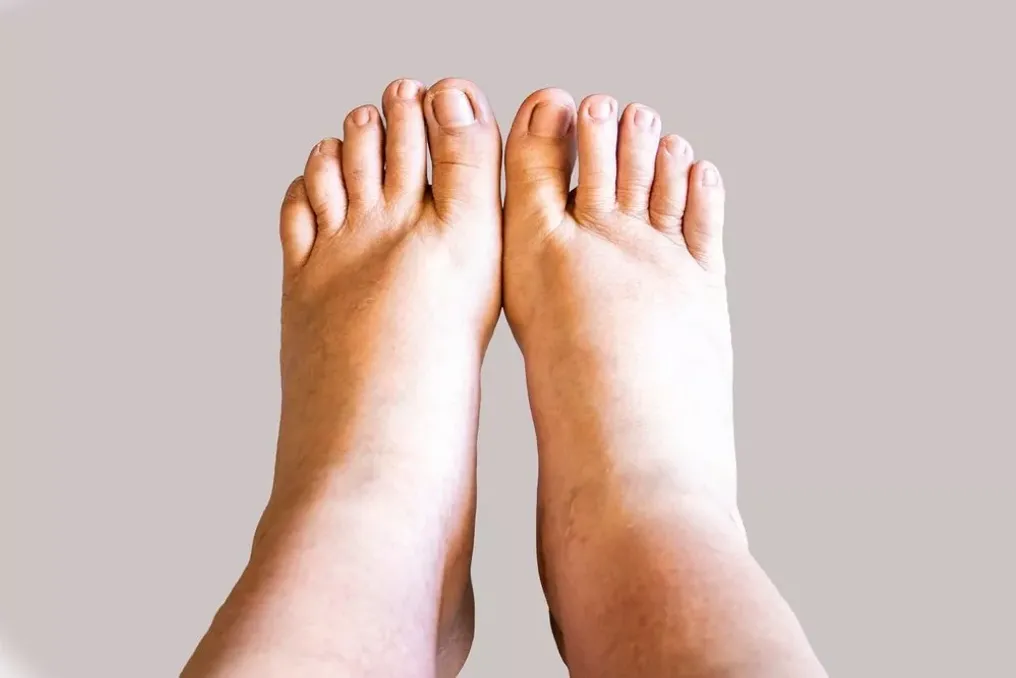
Signs of Danger of Ankle Swelling After Long Flights or Trips
Read more
Getaway
getaway.co.za

Signs of Danger of Ankle Swelling After Long Flights or Trips

After a long flight, such as eleven hours in the air, or after a long journey where your legs swell, this is often perceived as normal. However, it is important to understand that the constant feeling of 'always harmless' can be dangerous, especially if the next stop is far from medical help.

Causes of Leg Swelling During Travel

Calf muscles usually function like pumps, helping blood and fluid return to the heart. When they are at rest, fluid begins to accumulate around the ankles. Sitting for many hours in an airplane seat or car cabin allows gravity to perform this function.

This swelling usually appears symmetrically on both ankles, feels like tension rather than pain, and does not cause discomfort. Typically, it goes away after starting to walk or after elevating the legs at night. Often, simply taking a walk at sunset or placing a pillow under your feet is enough.

The One-Leg Rule

This is where the assumption of 'harmlessness' stops being safe. Sometimes immobility leads to the formation of a clot in a deep vein in the leg. This condition is called deep vein thrombosis, or DVT. The National Health Service (NHS) describes the signs of DVT as swelling, pain, tenderness, and redness, which often occur in the back of the leg below the knee, and notes that this usually, though not always, affects only one leg. Symptoms may appear during the trip but are more often noticeable hours or even days later.

Thus, a simple check is as follows: if both ankles are swollen and painless, it is likely just a result of travel. However, if one leg is enlarged and painful, warm, or discolored, the situation is different.

Probability: Low, But Not Zero

It is necessary to maintain proportionality. The World Health Organization found that the risk of forming a clot during travel approximately doubles after four hours or more of continuous movement, although the absolute risk remains low—about 1 in 6000. This risk applies not only to flights; it extends to anyone who is in a seated and immobile position for more than four hours, whether on a plane, train, bus, or car.

This means that a trip from Johannesburg to Cape Town, which takes about 14 hours by paved road, is comparable to a flight to London. A quick flight between these cities implies much less sitting time. The risk is also unevenly distributed; it increases with other risk factors such as obesity, very tall or very short stature, use of oral contraceptives, or a blood clotting anomaly. Previous clots and a family history of thrombosis also increase the risk. Furthermore, frequent flying increases the risk even more, as the elevated risk persists for about four weeks after the trip.

Tips to reduce sitting time: from walking through the cabin to stopping in Karoo.

Although completely avoiding prolonged sitting is impossible, it can be interrupted. The common recommendation is to take walking breaks every two to three hours. While traveling, this provides an opportunity to stop on the roadside, enter a cafe at a gas station, or take a photo at a rest stop. While seated, you can perform exercises to raise and lower your heels with toes on the floor, and then lift and lower your toes with heels on the ground to maintain calf muscle function.

There are also compression stockings. A Cochrane review, including 12 trials involving 2918 people, showed convincing evidence that they reduce asymptomatic clots on flights longer than four hours. Evidence of their ability to reduce leg swelling is weaker, but many travelers claim to feel better in them. You should choose graduated, knee-high stockings and consult a pharmacist about sizing. Stockings that are too tight are worse than none.

Two things that do not work: The Centers for Disease Control and Prevention (CDC) do not recommend taking aspirin before a long flight to prevent clots, so consult a doctor before taking any medication. Although the NHS advises drinking plenty of water and limiting alcohol, there is no evidence that hydration prevents clots. Nevertheless, it is worth drinking water as it will improve well-being.

Your Leg Protection Kit and Action Plan

Keep this list for your next trip:

  • Before the trip: if you have had a clot before, have a family history, are pregnant, or have recently undergone surgery, discuss your plans with a doctor first.
  • What to wear: loose clothing, comfortable shoes that can be loosened, and graduated compression stockings if you decide to use them.
  • While sitting: perform heel and toe raises every half hour and do not cross your legs for hours.
  • Every two to three hours: walk through the aisle or stop the car and stretch for ten minutes.
  • Water bottle: keep it handy and consume alcohol moderately.
  • Upon arrival: take a short walk, and elevate your legs in the evening.
  • In the following weeks: monitor both legs, especially if you are heading on another long trip.

When to Stop Moving and Call for Help

Travel helps you notice your body's signals, whether it is skin changes you didn't notice before, or blood in your urine after a dusty, dehydrating day. None of this is worth guessing about. Your legs deserve the same attention.

Sudden swelling in one leg with pain, warmth, or redness may indicate DVT and requires examination the same day. Do not wait to see if it goes away, and do not massage the leg. If you are in a small town or far from a clinic, go immediately to the nearest hospital or call a doctor. Breathing-related symptoms should be considered an emergency. A piece of a clot can detach and enter the lungs, which is called pulmonary embolism. Signs include sudden unexplained shortness of breath, sharp chest pain upon deep inhalation, rapid heartbeat, fainting, or coughing up blood. In South Africa, call 112 from a mobile phone or 10177 for an ambulance.

For ordinary bilateral swelling, consult a healthcare professional if it does not go away. So, pack boots, a belt, and a good pair of stockings. Then listen to your legs, because asymmetrical ankles are a souvenir you don't want to bring home.

}, {

Similar stories

Editorial: Deviate from the route and see where it leads
Read more
getaway.co.za

Editorial: Deviate from the route and see where it leads

Slow movement and maintaining curiosity are often the best combination for exploration. Travel has an amazing ability to remind us that there is always something new to discover, even in places that seem familiar.

Sometimes it's about the road you've driven dozens of times, the city you drove past without stopping, or the usual destination you approached from a completely different direction. The details can look entirely different if you slow down enough to notice them.

There are many practical reasons for traveling. A weekend can be an opportunity to disconnect from routine, but also a chance to find a new place to eat, meet people with different views, learn about the region's history, or spend a few hours on an activity that usually lacks time.

Some of the most memorable discoveries are not found on a meticulously planned itinerary. They happen when you take a wrong turn, stop at an unfamiliar roadside attraction, talk to a local resident, or decide that a place with an unusual name on a road sign deserves closer attention. These moments may not be in your plan, but they can become stories you tell later.

South Africa, in particular, knows how to reward curiosity. A trip between two familiar points can reveal a small village you never explored, a farmer's stall worth stopping at, a hiking trail you didn't know existed, or a fragment of local history that changes your perception of the landscape. Sometimes you don't have to go far to feel like you've discovered something new.

Of course, longer trips bring their own opportunities for learning. Different customs, dishes, landscapes, and ways of life give us a chance to see more than our daily lives. Even the smallest details—an unusual place name, an unexpected local tradition, or a curious fact about a destination—can add a new layer to the journey.

For the author, this is one of the best things about travel: it encourages us to be curious. It prompts us to ask questions, look more closely, and sometimes step outside the ordinary. This doesn't require covering thousands of kilometers. Sometimes it's enough just to choose a different way home.

So, wherever your next journey takes you, leave some room for surprises. Veer off the route. Stop to admire the view. Ask an extra question. Try a local dish whose pronunciation you don't know. You never know which small decision will turn into the main event of the trip.

Tips for Maintaining Harmony on Trips with Friends
Read more
getaway.co.za

Tips for Maintaining Harmony on Trips with Friends

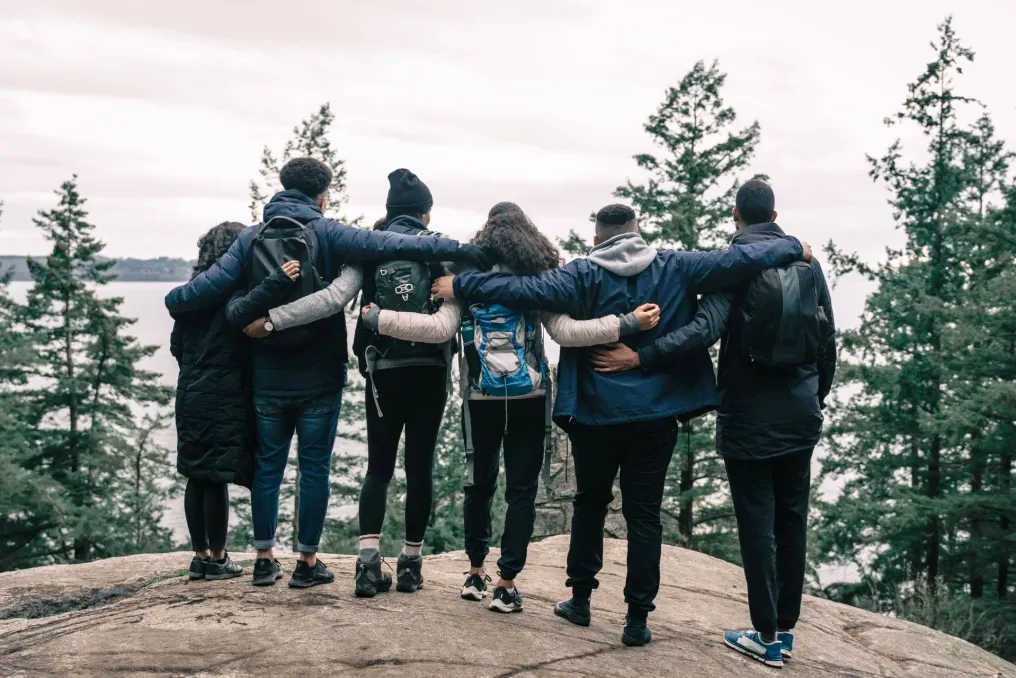
Traveling with friends is often seen as the perfect opportunity for socializing, trying new things, and creating shared memories. However, cohabitation, managing budgets, and planning itineraries can create tension even in the strongest friendships.

A little advance planning can significantly affect the success of a group trip, helping to avoid disagreements related to expenses or different ideas about how to spend the day. Seven ways are presented that will help maintain peace and enjoy the next trip.

Financial issues can quickly become a source of conflict, especially if each participant has different ideas about what is an acceptable level of spending. While one person might prefer expensive boutique hotels and restaurants, another might prefer budget options and self-catering.

Before booking, it is necessary to openly discuss the financial capabilities of all participants. You should discuss expected costs, including transportation, accommodation, entertainment, groceries, and dining out. It is also important to agree on a method for splitting shared expenses; apps for tracking spending can be used for this to avoid awkward conversations after the trip.

Approaches to vacation among friends can vary greatly. One friend might want to visit all the sights, while another might be content to sleep in the morning and spend the afternoon by the pool.

Before the trip, it is worth discussing desired activities and determining which activities are most important to the whole group. Creating a flexible plan with one or two planned activities per day and time for free leisure will help satisfy everyone without making the vacation too rigidly structured.

Although spending time together is the goal of a group vacation, it does not mean that everything must be done together. If one person wants to visit a museum and another prefers to walk around local shops, it is perfectly fine to spend a few hours separately.

Having time for independent activities helps prevent feelings of being overwhelmed and gives everyone something new to discuss when they meet. Even the closest friends can benefit from some personal space.

Small irritations accumulate if ignored. Perhaps someone is constantly late, another doesn't help keep the accommodation clean, or one friend makes decisions for the entire group. Instead of letting frustration build up, questions should be raised calmly and respectfully. A direct conversation can often solve the problem before it negatively affects the rest of the vacation.

Group trips require a lot of behind-the-scenes planning, and it is easy to assume that the entire burden will fall on one person. The work of finding accommodation, restaurants, organizing transport, and keeping track of bookings should not fall solely on one friend. Tasks should be distributed according to each person's interests and availability. One person can handle restaurant searches, another can organize transport, and a third can monitor bookings. It is also important to acknowledge the effort put into planning; a small thank you is highly appreciated.

A packed schedule may sound appealing, but travel is tiring. Long days of sightseeing, unfamiliar surroundings, and constant interaction can leave even the most energetic traveler needing a break.

Since people have different energy levels, no one should be made to feel guilty for skipping an event, taking a nap, or choosing a quiet evening. Time for rest must be included in the plan, and everyone should be allowed to enjoy the vacation at their own pace.

Even the best travel companions won't agree on everything. Plans change, restaurants can be disappointing, and people sometimes have bad days. Not every disagreement needs to turn into a serious problem. It is important to show each other tolerance and know when to compromise. If you offend a friend, offer a sincere apology instead of defending yourself. Similarly, try not to let minor disagreements overshadow several days of pleasant memories.

Ultimately, traveling with friends is an opportunity to spend time together, not to create a perfectly planned vacation. Expectations must be realistically assessed, communication must be open, and everyone must be allowed to enjoy the experience in their own way. The best memories often arise from unexpected moments, and a successful trip can strengthen friendship.

Popular