Argentina has supported a liquefied natural gas (LNG) export project that involves investments of up to $50 billion (45.57 billion euros) by 2050, an unprecedented sum in the country's history.
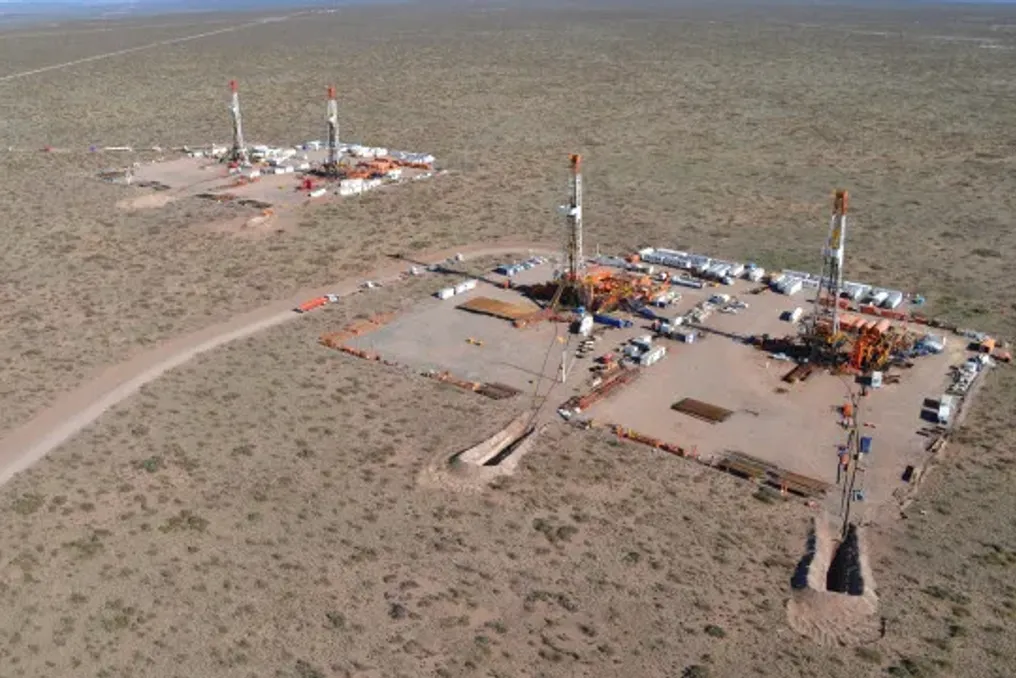
The Argentina LNG project, developed by Argentine company YPF, Italian Eni, and UAE company XRG, was approved this Friday. It is linked to gas exploration at the Vaca Muerta field, located in Patagonia, Argentina (in the south), which holds the country's largest reserves.
Economy Minister Luis Caputo stated on the social network X that between 2027 and 2030, $25 billion (22.78 billion euros) is planned to be invested following the government's approval of a state incentive program.
Argentina LNG will operate under the Large Investment Incentive Regime (Rigi), a mechanism created in 2024 by the ultra-liberal president Javier Milei's government. This regime provides advantages in tax, customs, and currency matters, guaranteeing stability for 30 years.
According to Caputo, the project includes a pipeline and an oil pipeline, each 524 kilometers long, to the Atlantic coast of Rio Negro, where two floating liquefaction plants will operate. The project will allow for the annual export of 12 million tons of LNG and liquid natural gas worth over $9 billion per year.
The Minister also reported that the project will create about 20,000 jobs during construction and eight thousand direct and indirect jobs during operation.
YPF's President, Horacio Marin, expressed his pride and excitement about this important milestone. He added on X that they are moving forward with great hope toward signing the Final Investment Decision (FID) on November 30th together with their partners Eni and XRG.
Vaca Muerta, a vast oil and gas production area, is considered the basis of Argentina's autonomy and energy exports. Milei, known for his denial of climate change but emphasizing the role of humans in it, intends to stimulate Argentina's potential in developing raw resources. The Argentine President has launched deregulation reforms that promote, for example, mining activities, despite environmentalists' concerns.
Thanks to Vaca Muerta, Argentina has become a net oil exporter in recent years, which is a critical step for Latin America's third-largest economy in seeking resources and currency while being in a state of heavy debt and under the austerity program imposed by Milei.
On Friday, the Argentine bond market fell sharply due to weakening international markets and domestic uncertainty. JPMorgan's country risk rating reached its highest level since October 2025, exceeding 1000 points. Analysts from the newspaper 'Ámbito Financiero' note doubts regarding debt financing in 2027, which is exacerbated by uncertainty surrounding next year's presidential elections, in which Milei is running for a second term.