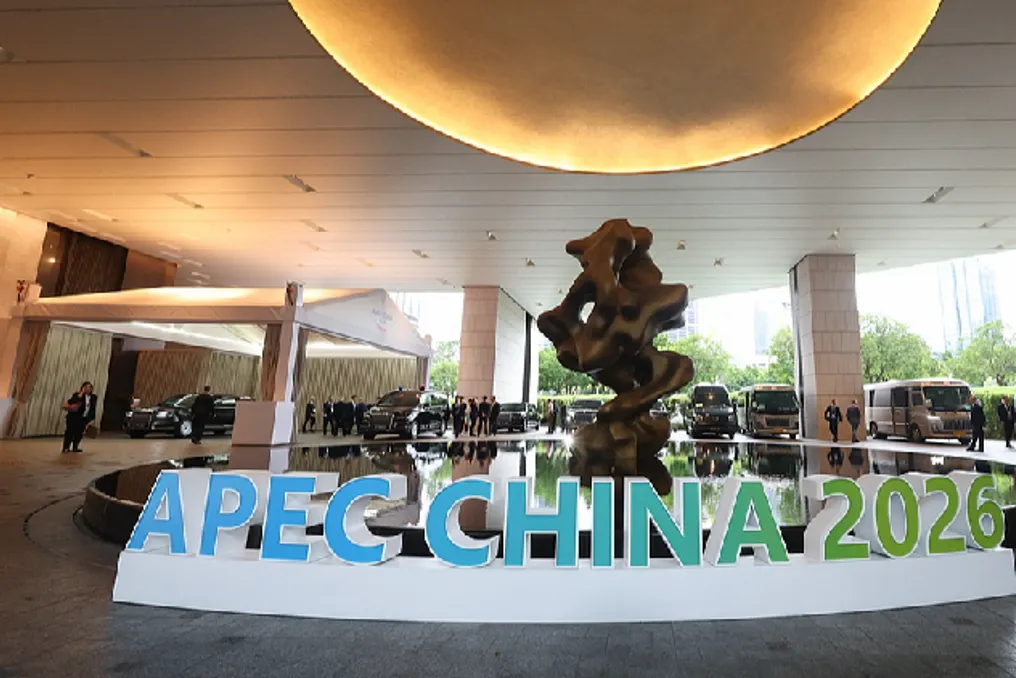
The Asia-Pacific region continues its move towards more seamless cross-border trade. At the 33rd APEC Economic Leaders' Meeting, held in Shenzhen on November 18-19, leaders approved the APEC Cooperation Framework on Trade Digitalization for the period 2027–2030. This framework outlines 12 areas of cooperation under three pillars: creating a favorable policy environment, strengthening policy exchange, and utilizing digital technologies to improve trade facilitation.
These measures are intended to change the methods of conducting business in cross-border trade. One of the main priorities is promoting cashless trade. The framework encourages APEC economies to provide administrative trade forms electronically, recognize electronically submitted forms as legally equivalent to paper versions, and explore the use and exchange of electronic records in commercial activities across borders using various modes of transport.
An example of how digital records can reduce reliance on physical documents and simplify information exchange in maritime transport is the electronic bill of lading. Related work by APEC also included cooperation on their application. Digital customs procedures can optimize the submission and processing of trade information, while interoperable e-invoicing systems can enhance the efficiency, accuracy, and reliability of commercial transactions.
Regarding cross-border payments, the framework calls on economies to support the adoption of international standards, improve interoperability between electronic payment infrastructures where appropriate and consistent with robust risk management systems, and encourage innovation and competition in payment services.
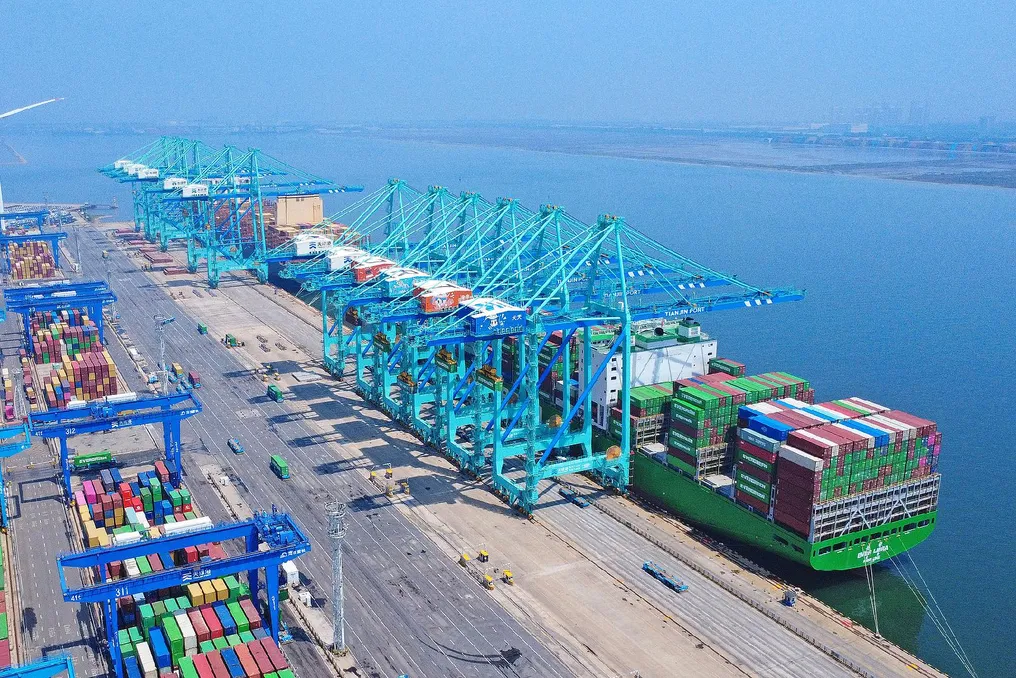
The benefits of digitalization are already evident in regional pilot projects. At a press briefing on November 16, Chen Chao, Director General of the Department of International Trade and Economic Affairs of China's Ministry of Commerce, presented the results of the Asia-Pacific Model Port Network (APMEN). Within this pilot, which allowed trade data to be entered once and used by multiple parties, it was possible to reduce customs declaration costs by 66% and cut declaration time by nearly 50%. The Shanghai Municipal Commission on Commerce also reported these figures in the update on APMEN pilot projects on November 18.
Beyond the technological aspect, the framework addresses issues of cross-border data flows, data privacy protection, technical standards, digitally delivered services, and the participation of micro, small, and medium-sized enterprises (MSMEs) in the digital economy. However, ensuring the interaction between different digital systems and regulatory structures remains a significant challenge. Since economies have varying approaches to data governance, privacy protection, and technical standards, cross-border coordination is critical for the smooth functioning of digital trade.
In an interview on November 20, Professor Karl Thayer, a professor from the Australian National University's Defence Academy at the University of New South Wales, emphasized the importance of implementing the outcomes of the Shenzhen summit. He noted that APEC operates on consensus and voluntary commitments, lacking a enforcement mechanism. Consequently, the value of the adopted documents, including the trade digitalization framework, will depend on the extent to which member countries implement them in practice.
The framework promotes voluntary, non-binding cooperation that considers the diverse capabilities and policy priorities of each economy. It also stimulates the exchange of best practices in technical standards and efforts to assist MSMEs in accessing and benefiting from the digital economy. The APEC Committee on Trade and Investment will be responsible for implementation, monitoring, and evaluation, as well as submitting an annual progress report. Ultimately, the success of the framework will depend on the ability of economies to translate common commitments into compatible systems and practical cooperation, making cross-border trade more efficient, secure, and inclusive.