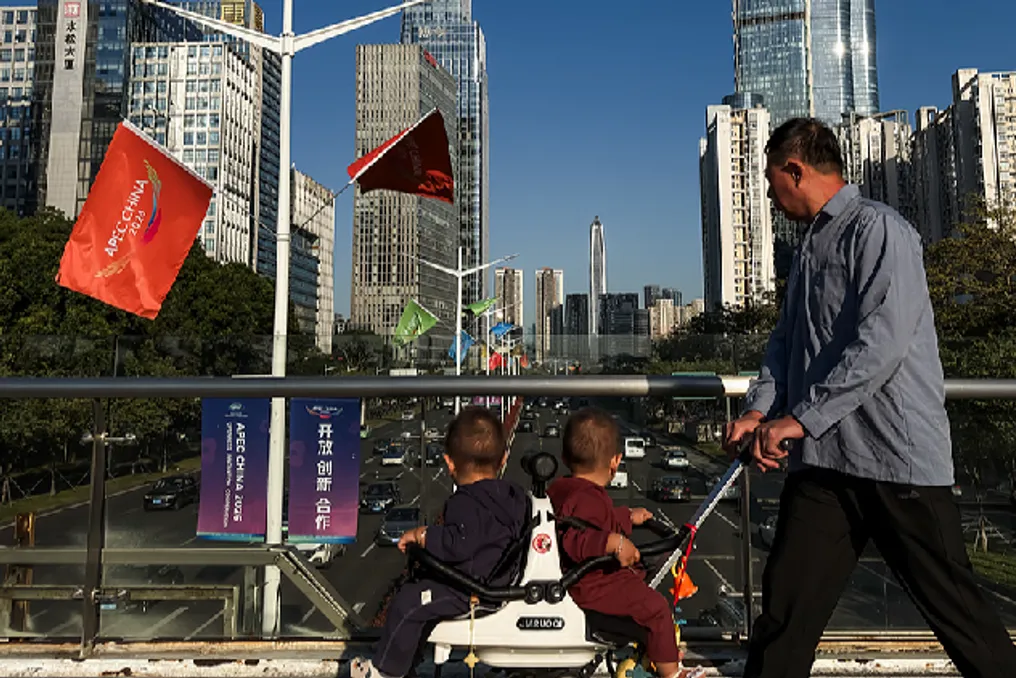
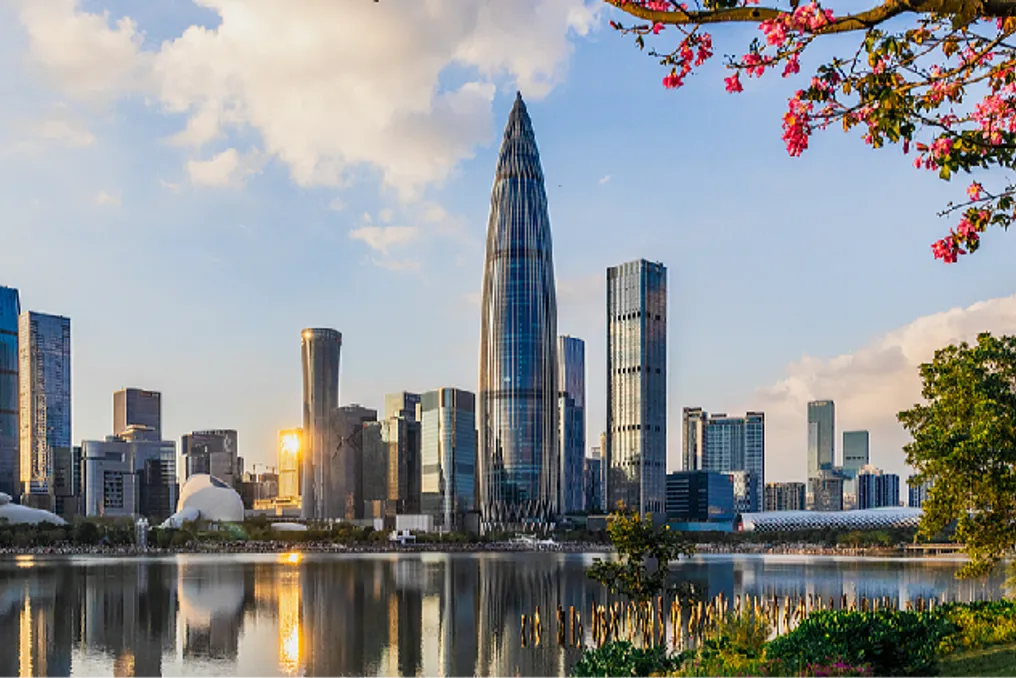
Large global agglomerations are not merely geographical entities but significant economic centers where capital, talent, ports, scientific institutions, and advanced industries converge. Amid rising protectionism and the transformation of global supply chains, these clusters can offer the Asia-Pacific region practical mechanisms to convert openness into investment, innovation, and shared growth.
On Wednesday morning, business leaders gathered at the Qianhai International Convention Center in Shenzhen to open the APEC Leaders' Summit 2026. During his keynote address, Chinese President Xi Jinping expressed support for creating a global association for economic cooperation among agglomerations. This initiative aims to strengthen interaction between agglomerations worldwide and explore new avenues for closer economic partnership in the Asia-Pacific region.
The proposed association could complement APEC. APEC brings together diverse economies and provides a platform for regional dialogue without a rigid treaty basis. However, regional consensus must translate into real, practical cooperation, and this is where agglomerations can contribute.
How Agglomerations Can Foster Practical Cooperation
Through closer ties between ports, industrial parks, financial institutions, and research centers, they are capable of translating regional priorities into concrete projects. For instance, port authorities could coordinate digital customs procedures and promote eco-friendly fleets, financial institutions could support cross-border 'green' investments, and universities and enterprises could collaborate on research in artificial intelligence, biomedicine, and advanced manufacturing.
The value of this initiative will depend on how much it simplifies cross-border interaction. For a small producer looking to enter a new market, summit declarations are less important than practical aspects such as customs regulations, product certification, payment mechanisms, and access to legal services. A mechanism that helps businesses overcome these hurdles would meet a real need.
The Greater Guangdong-Hong Kong-Macao area is well-positioned to become the core of this initiative. Few regions combine advanced manufacturing, leading universities, deep capital markets, and international professional services on such a scale. Shenzhen possesses strong capabilities in technological innovation and commercialization, while Guangzhou and the wider Pearl River Delta provide a solid industrial base. Macao contributes uniquely to culture and tourism, and Hong Kong connects the region with international finance, legal services, and global business networks.
Integration Beyond Physical Connectivity
For the Greater Agglomeration, cooperation with other agglomerations can go beyond physical connectivity. While bridges, railways, ports, and cross-border infrastructure remain important, the next stage requires closer coordination of rules and standards. Research funding, professional qualifications, commercial data, and financial services still operate within different legal and administrative systems. Bringing these systems into greater compatibility while maintaining proper safeguards may be less visible than building a bridge, but it is no less important.
International partnership can accelerate this process. Exchanging experiences with other agglomerations allows institutions to find common ground, explore compatible standards, and develop joint projects with foreign partners. Successful practices can also form the basis for broader APEC discussions on digital trade, innovation, and sustainable development. Thus, the Greater Agglomeration can play a more active role in shaping cooperation in the Asia-Pacific region, rather than just benefiting from it.
Particular attention should be paid to the role of Hong Kong, as the city approaches its 30th anniversary of returning to the mainland on July 1, 2027. This important milestone offers an opportunity to reflect on the city's development and its changing place within the Greater Agglomeration and the global economy as a whole. Hong Kong does not need to duplicate Shenzhen's technology sector or the manufacturing advantages of neighboring cities. Its advantage lies in complementing them. The city can assist in financing projects, structuring international deals, resolving commercial disputes, and connecting mainland enterprises with foreign investors. The proposed association could create new opportunities for Hong Kong to leverage these strengths.
Projects in 'green' infrastructure and shipping require long-term financing and reliable standards. Joint research needs clear agreements on funding, intellectual property protection, and commercialization of results. Companies expanding abroad also require legal, accounting, and risk management services. Hong Kong possesses expertise in all these areas, and closer cooperation between agglomerations can provide it with another channel for contribution.
The Need for a Cautious Approach
Nevertheless, expectations should remain moderate. The association remains only a proposal, and its membership, mandate, and methods of operation have not yet been defined. It must complement, not duplicate, APEC or existing business networks. Its benefits must also extend beyond large corporations and infrastructure developers. Smaller enterprises, researchers, and young entrepreneurs need opportunities to participate if the initiative is to gain long-term support.
A practical initial agenda could include startup exchange programs, joint research funds, recognition of 'green' finance standards, promotion of digital trade, and regular information exchange between port authorities and universities. Progress should be measured by clear criteria and made public. Trust is earned by achieving results, project by project, not by grand statements.
Thirty years after Hong Kong's return, the Greater Agglomeration continues to develop and deepen its regional integration. The proposed global association offers a chance to strengthen its international ties during a complex period for the world economy. Its success will depend not on the fanfare of its launch, but on its ability to facilitate and make cross-border cooperation more sustainable.
For APEC, this could help transform regional commitments into tangible business outcomes. For the Greater Agglomeration, it could open a new chapter of development, with stronger ties not only among its own cities but also with the wider Asia-Pacific region. Agglomerations thrive on the movement of trade, talent, and investment; this same principle should guide cooperation in the Asia-Pacific region. As barriers rise, maintaining open channels is not just maintaining the status quo; it is a strategy for future growth.