Oldest known Asian rocks, dating back 3.95 billion years, discovered in northern China
Read more
CGTN
cgtn.com

Oldest known Asian rocks, dating back 3.95 billion years, discovered in northern China

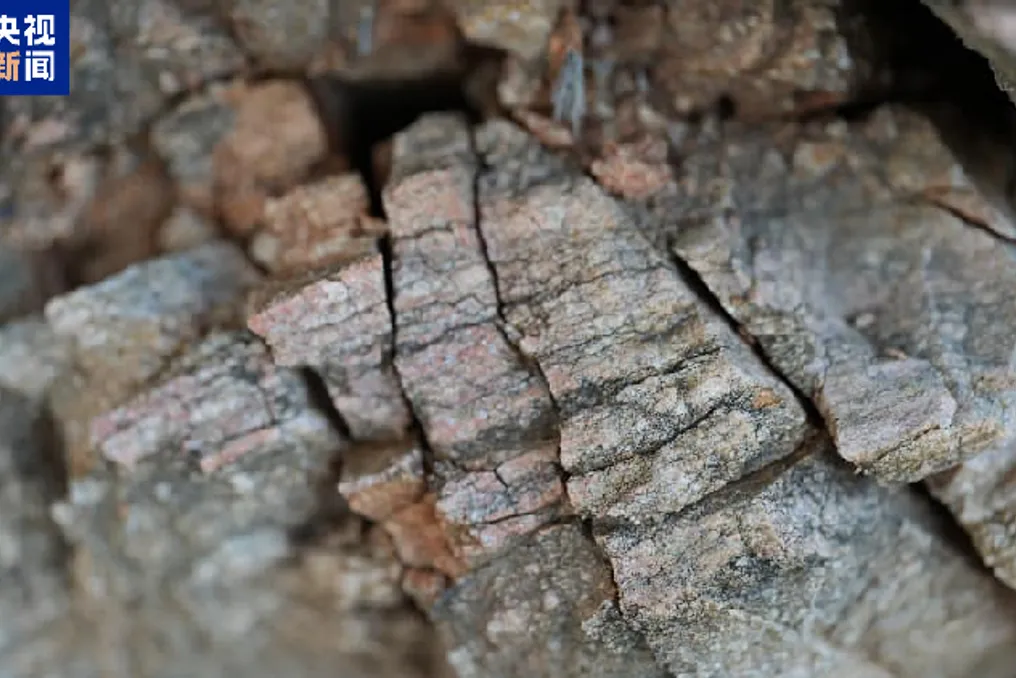
Chinese geologists have announced the discovery of rocks dating back 3.95 billion years, making them the oldest known in Asia. The Geological Survey of China reported this on Friday, and this finding provides important information for studying the early evolution of Earth.

The research team, led by Wang Yushen, a specialist from the Chinese Academy of Geological Sciences, made this discovery. Although Earth formed about 4.5 billion years ago, geological records of its first few hundred million years are extremely difficult to preserve, and samples from the planet's 'childhood' are very rare.

These rocks were found in eastern Hebei Province and dated to 3.95 billion years old. This discovery indicates that some form of tectonic activity related to subduction could have been occurring on Earth 3.95 billion years ago, and it also provides direct evidence that the mantle core had already depleted during the Hadean eon.

Previously, the Akasta Gneiss in Canada was considered the oldest rock in the world, dating back about 4 billion years. Thus, the new find reduces the gap with the world record to only 50 million years and is the first such discovery in Asia. The research results were published in the journal Nature.
Similar stories

Study shows that Paleolithic inhabitants of China consumed wild grains
Read more
nplus1.ru

Study shows that Paleolithic inhabitants of China consumed wild grains

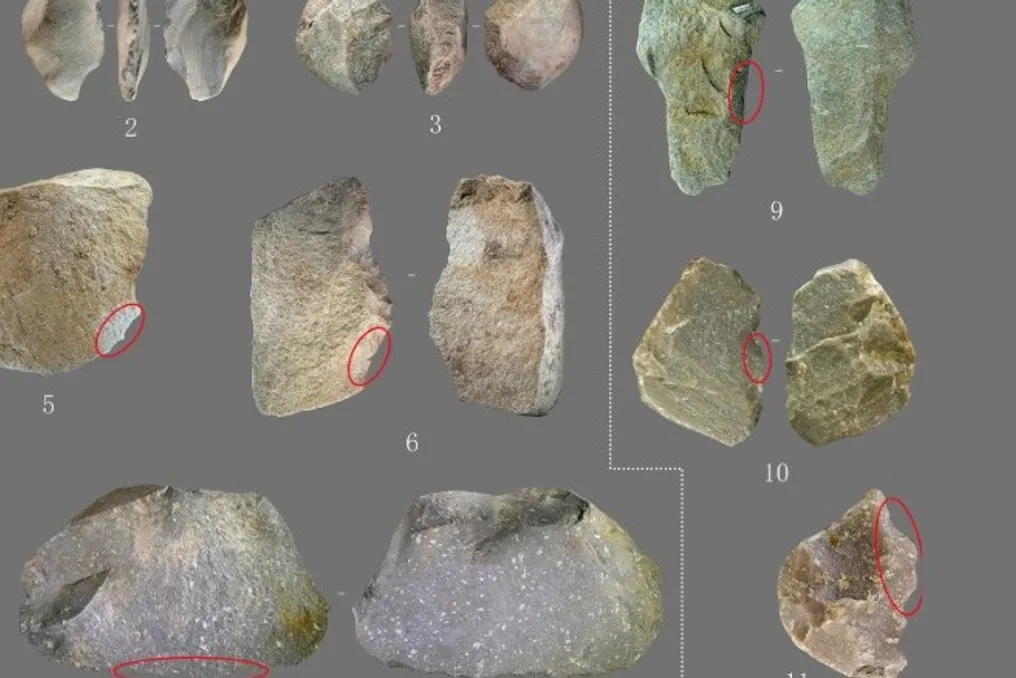
Chinese scientists analyzed plant microremains found on eleven ancient artifacts from the Paleolithic site of Wencuan. The results of this study, published in npj Heritage Science, indicate that about 70–40 thousand years ago, the population of this archaeological site actively processed plant food.

According to the analysis data, approximately half of the processed plants, judging by the number of starch granules found, consisted of various wild grains.

Archaic human teeth of late erectus discovered in Chinese tropical forest
Read more
nplus1.ru

Archaic human teeth of late erectus discovered in Chinese tropical forest

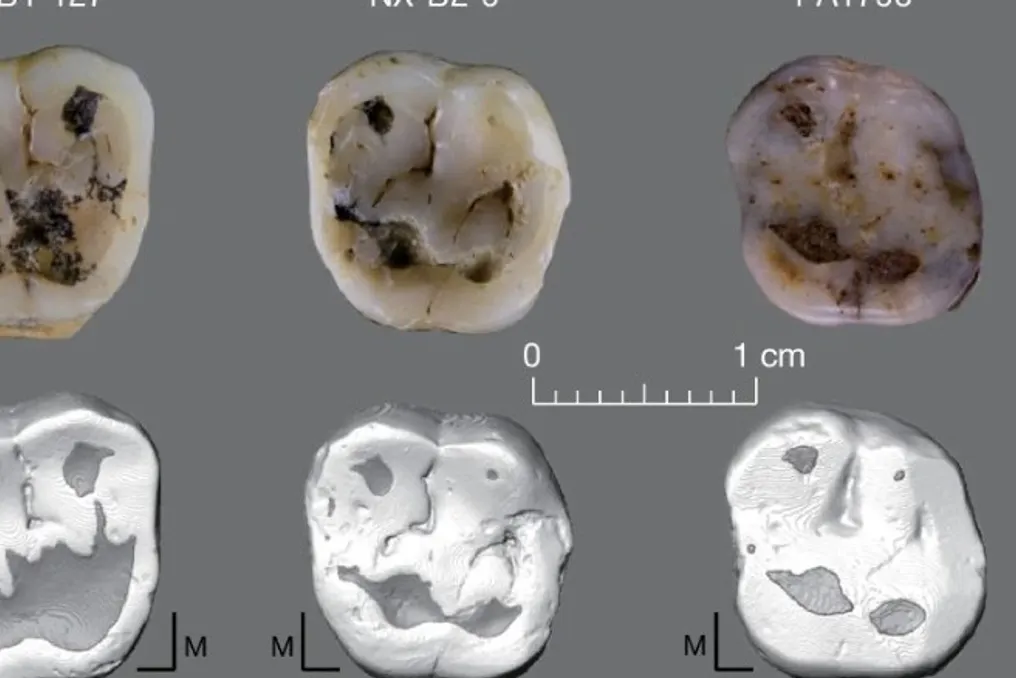
A team of researchers presented a description of nine ancient human teeth found in two caves located in southern China. Analysis of these finds allowed them to determine that most of the samples belong to upright-walking humans who lived in the tropical forests of East Asia between 324,000 and 184,000 years ago.

Of the nine teeth examined, eight were identified as remains of upright-walking humans. However, one of the teeth belongs to a hominin whose species affiliation remains undetermined at this time.

The results of this study were published in the journal Nature in two separate articles.

Scientists from Uzbekistan and China have begun excavations of an ancient settlement in the Namangan region
Read more
podrobno.uz

Scientists from Uzbekistan and China have begun excavations of an ancient settlement in the Namangan region

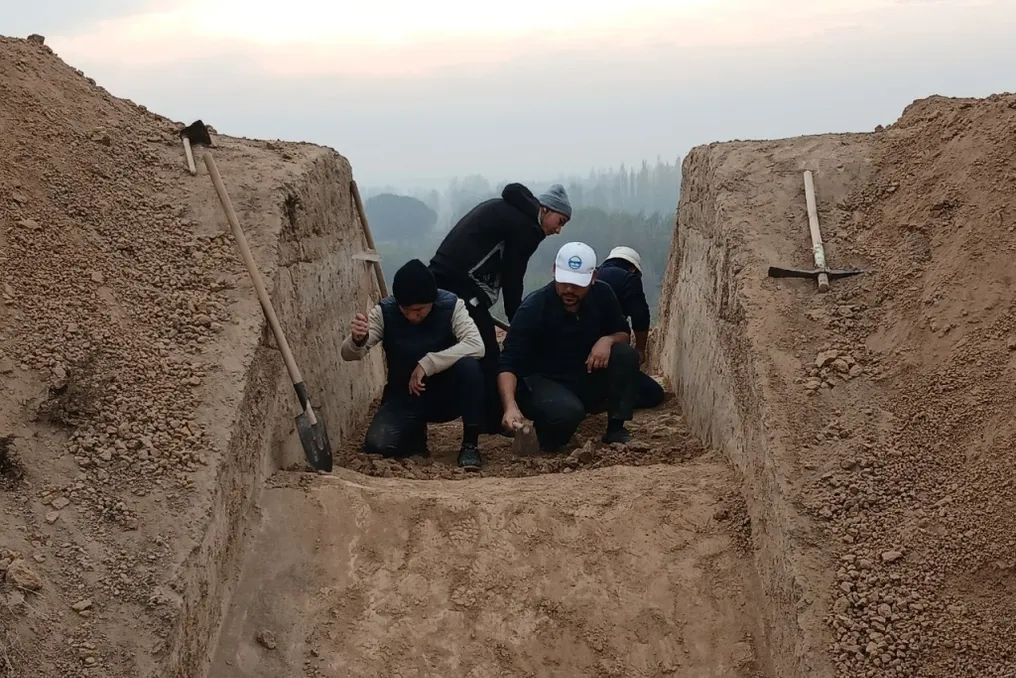
Archaeological surveys are underway at the ruins of the ancient settlement of Kyrkkhujra in the Papsky district of the Namangan region. The goal of the work is to determine the external appearance of the city in the past and the way of life of its former inhabitants.

Specialists from the Institute of Anthropology of the Academy of Sciences of Uzbekistan, as well as employees of the Institute of Archaeology of the Chinese Academy of Social Sciences, are participating in this scientific expedition. Additionally, lecturers and students from Namangan State University are involved in the work.

Leadership and Composition of the Expedition

The research is supervised by Doctor of Historical Sciences, Professor Abdulhamid Anarbayev. He is assisted by his Chinese colleagues Liu Tao, Ai Aisa, and Wang Xin.

The excavations were organized in four different areas. Archaeologists focused on the citadel, which represents the core of the settlement, as well as its northern and western sectors.

During the work, specialists are finding many artifacts, including old pottery, everyday objects, and building remains. These discoveries will serve as a basis for determining the stages of settlement development, the features of its urban planning, and the daily life of the local population.

According to the researchers, the results of this expedition will provide fresh data on Kyrkkhujra, its architectural features, and the lifestyle of people in ancient times. Moreover, new findings contribute to a deeper understanding of the history of the current Namangan region.

It is worth noting that previously, archaeologists found petroglyphs in the Koshrabad district of the Samarkand region, which likely date back to the Mesolithic and Neolithic periods, as well as traces of Bronze Age settlements in the Nuratinsky range mountains.

Popular