An associate professor of Cinema, Audiovisual, and Creative Media and Deputy Director of Engagement at Bond University in Australia discusses his teenage son's interest in playing Grand Theft Auto 6 (GTA 6), which was globally released on November 19th.
Young people, like the author's 13-year-old son, show great enthusiasm for the game after watching the trailers and the extended Netflix video, as well as discussing it with friends and popular YouTube streamers.
When explaining that the game has an R18+ rating in Australia (and is for adults over 18 in Brazil, as defined by the Ministry of Justice and Public Security), the common reaction is insistence on playing. In light of this, the author details what parents and guardians need to consider.
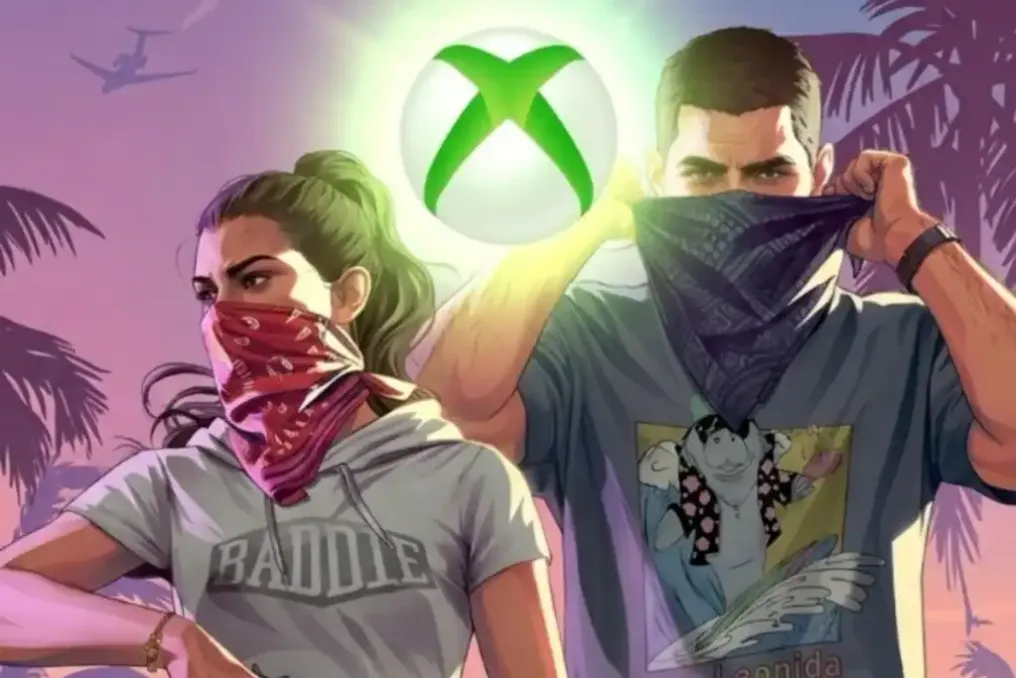
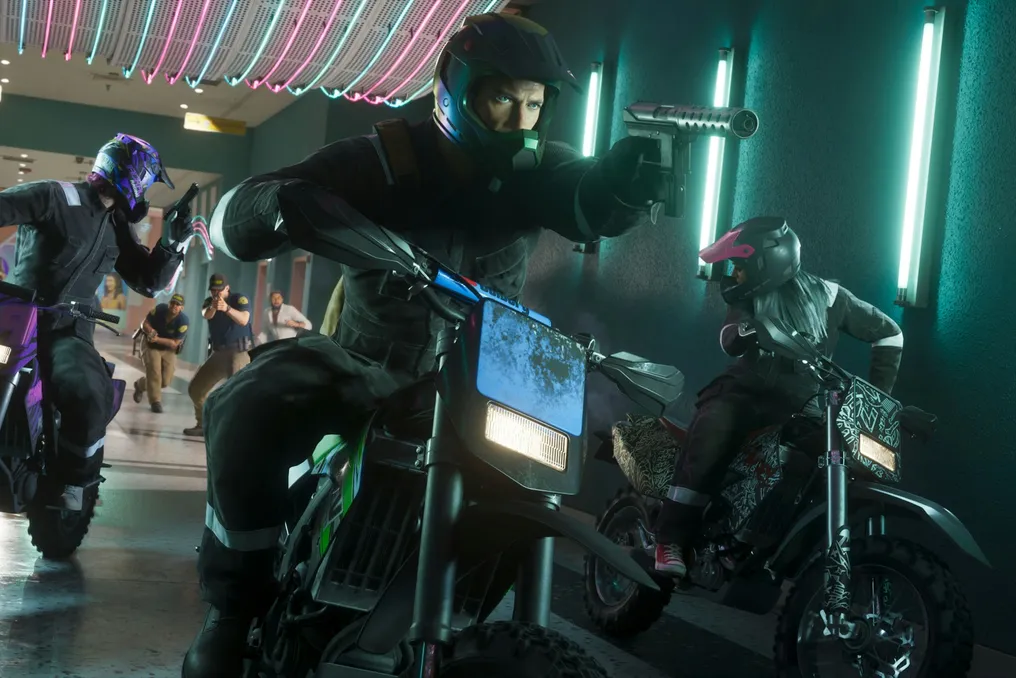
GTA 6 features the characters Jason and Lucia, a couple involved in a criminal plot, configuring an interactive police drama. The developer Rockstar describes the characters dealing with drug trafficking, arrests, and a strip club financed with illicit resources.
It is an open-world game, allowing players to explore various activities outside the main missions, which constitutes part of its appeal. However, the trailers and gameplay videos available so far offer little information about specific plots.
Previous games in the series illustrate the diversity of adult content present. For example, GTA San Andreas, released in 2004, showed paid sexual encounters and substance use, while GTA 5, from 2013, contained a torture mission involving acts of violence.
Although these examples do not define the exact content of GTA 6, they justify the need to go beyond promotional materials. In Australia, games classified as R18+ are legally restricted to adults. For GTA 6, the rating indicates 'high impact violence, sex scenes, and drug use' (in Brazil, the Ministry of Justice points to sexual content, drugs, inappropriate language, and violence).
New Australian online safety guidelines came into effect in March, requiring online gaming platforms to request age verification to access R18+ content. Consequently, PlayStation and Xbox console stores in Australia require age verification for game downloads.
In Brazil, with the enforcement of the Digital ECA (Law No. 15.211/2025), age verification will also be necessary, going beyond simple self-declaration, using methods such as facial recognition, official photo ID (ID, Driver's License, or passport), or an eligible phone line.
However, the author warns that merely checking who buys the game does not prevent teenagers from playing using an adult's account. It is suggested to create separate user profiles for teenagers on the console and apply age restrictions through PlayStation Family or Xbox Family Settings. If the guardian plays, they must protect adult accounts with a password.
It is important to be aware that, even if prohibited, the teenager may find the game on an older sibling's account or at a friend's house.
Research conducted in the UK in 2023 estimated that approximately 70% of players of previous GTA versions in Great Britain started the game before the age of 18.
Although some studies suggest a link between violent games and subsequent physical aggression in young people, most research does not confirm this correlation. The American Psychological Association recognizes the lack of sufficient evidence to link violent games to players' violent behavior.
Parents, however, should not neglect the presence of impactful nudity and sexual content. A 2020 study found no proof that sexualized content in games increases sexist attitudes, but previous GTA series games have been criticized for being misogynistic and sexist.
In the last ten years, there has been a notable growth in the habit of watching other people play video games, comparable to consuming TV or cinema. A North American study, published in March, analyzed live streams on Twitch and observed that streamers' aggressive language was correlated with more aggressive chat messages from viewers; however, the violent gameplay itself did not show a significant association with aggressive messages.
This study did not establish causality or specific effects on adolescents, making it impossible to determine whether watching is safer than playing. Both activities, however, can expose the adolescent to inappropriate material.
The Australian Digital Safety Commission advises that when choosing games with children, the act of watching gameplay videos and visiting friends' houses should also be discussed. If the answer is negative, experts recommend that parents validate the adolescents' feelings, especially if there is a strong reaction to the decision. Thus, the author explains to his 13-year-old son that certain scenes are not appropriate, without devaluing his interest, and wishes him to feel comfortable reporting any inappropriate content found online or with friends.