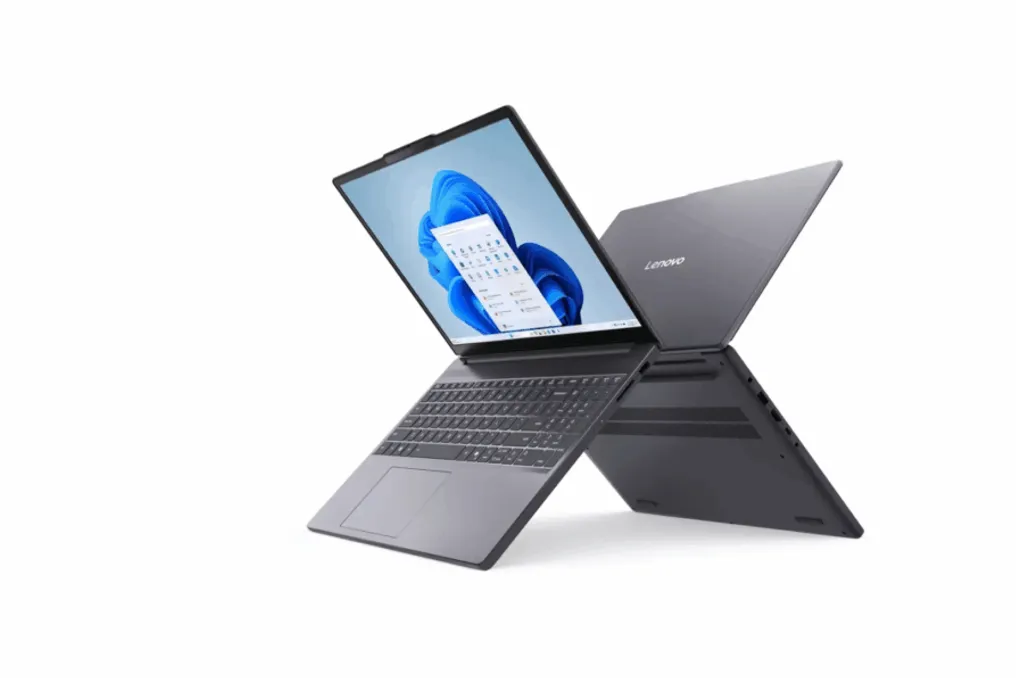
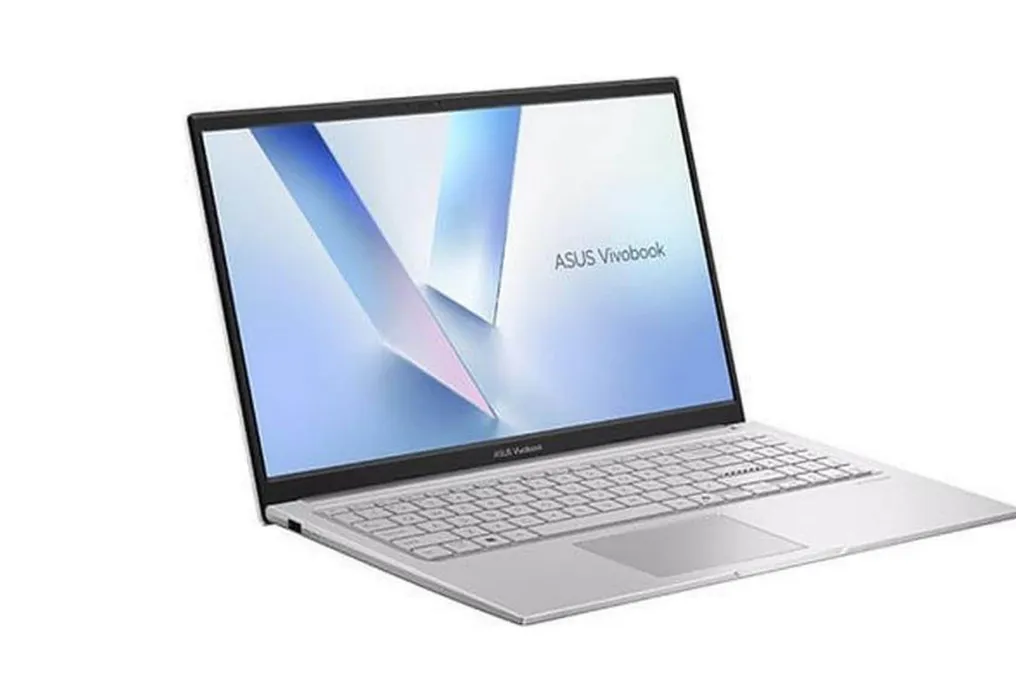
The decision on which notebook to purchase goes beyond simply comparing numbers and technical specifications; factors such as performance, battery life, display quality, and extra functionalities significantly influence the user experience. This comparison analyzes two models: the Lenovo IdeaPad Slim 3i and the ASUS Vivobook 15 X1504MA.
Both devices come equipped with Windows 11, 8 GB of RAM, and a 512 GB SSD, configurations considered adequate for most daily activities, studies, and professional tasks. However, there are crucial distinctions between them that deserve detailing.
The Lenovo demonstrates superiority in terms of thread count and traditional processing capability, which is advantageous for users who run multiple programs simultaneously, handle large files, or perform intensive processor tasks.
On the other hand, the ASUS introduces a notable feature: its NPU (Neural Processing Unit). This component enables certain artificial intelligence functions to run directly on the notebook itself, without solely depending on CPU or GPU processing. It is important to note that the ASUS's 16 TOPS NPU does not reach the 40 TOPS level required for Microsoft's Copilot+ PC classification, but it still constitutes an additional feature for compatible applications.
Specifically, the Lenovo IdeaPad Slim 3i uses the Intel Core i5-13420H processor, a 13th generation chip with 8 cores and 12 threads, ideal for those who need to run several applications simultaneously, such as spreadsheets, documents, and software that demands high processing power.
The ASUS Vivobook 15 adopts the new Intel Core Series 3 family, incorporating an NPU to accelerate local AI tasks without requiring a constant internet connection. While the Lenovo focuses on conventional performance, the ASUS presents an architecture more oriented towards energy efficiency and emerging AI features.
Regarding memory, both notebooks support expansion, at least up to 16 GB. For higher capacities, it is recommended to check the exact model on the manufacturer's website before purchasing, should this be an essential need.
Both devices have anti-glare screens, but the Lenovo has a significant advantage: its WUXGA resolution of 1920 x 1200 pixels offers more vertical space compared to the ASUS's Full HD screen of 1920 x 1080. Additionally, the IdeaPad features a brightness of 300 nits, surpassing the 250 nits reported for the Vivobook.
This difference can result in greater comfort and productivity for those who frequently work with administrative systems, spreadsheets, browsing, and text. Although the ASUS has a marginally larger screen, the Lenovo guarantees superior vertical resolution, providing 120 extra pixels of height for viewing documents and web pages.
In terms of autonomy, the Vivobook stands out. ASUS advertises up to 17 hours of video playback, although this result is linked to specific laboratory conditions. There is a basic power disparity: the ASUS Core 5 320 operates at 15 W, while the Lenovo's Core i5-13420H has a base power of 45 W. This illustrates the difference in processor design, favoring the ASUS for those who need to work away from outlets due to its lower energy consumption.
The Lenovo also has strong points, such as a 50 Wh battery and fast charging support, in addition to being lighter, weighing 1.59 kg against the ASUS's 1.7 kg. Despite this, for those who spend long hours without access to power, the Vivobook presents a very attractive proposition.
The ASUS Vivobook 15 comes with MIL-STD-810H military resistance certification, covering impact, vibration, and extreme temperature tests. Both models share the 180-degree hinge functionality. Another benefit of the ASUS is the promotional package of digital services, which includes usage periods for Adobe Creative Cloud, Dropbox, GoPro Premium+, and Google AI Plus, depending on redemption rules.
Lenovo, on the other hand, emphasizes sustainability in its construction, using recycled material on the lid and packaging made from recycled materials.
The Lenovo IdeaPad Slim 3i is more suitable for those who prioritize processing performance, productivity, and display quality, thanks to the robustness of its Core i5-13420H for professional multitasking.
In contrast, the ASUS Vivobook 15 offers a more contemporary approach, focusing on energy efficiency, artificial intelligence features, advertised autonomy, and physical durability. In summary, if we only consider technical specifications, the Lenovo is the more interesting option for those seeking performance and productivity, while the ASUS may be ideal for those who value autonomy, efficiency, and the latest technologies. Ultimately, the price of each device will be the determining factor in defining which offers the best cost-benefit.