Archaeologists discover Roman infant burial with chicken in England
Read more
N+1
nplus1.ru

Archaeologists discover Roman infant burial with chicken in England

British archaeologists have shared data on the progress of excavations conducted on the territory of a cricket field in the English settlement of Wendover. During these works, a significant number of artifacts from the Roman period were discovered.

Among the found items were an ornate folding knife handle made of deer antler, as well as several burials.

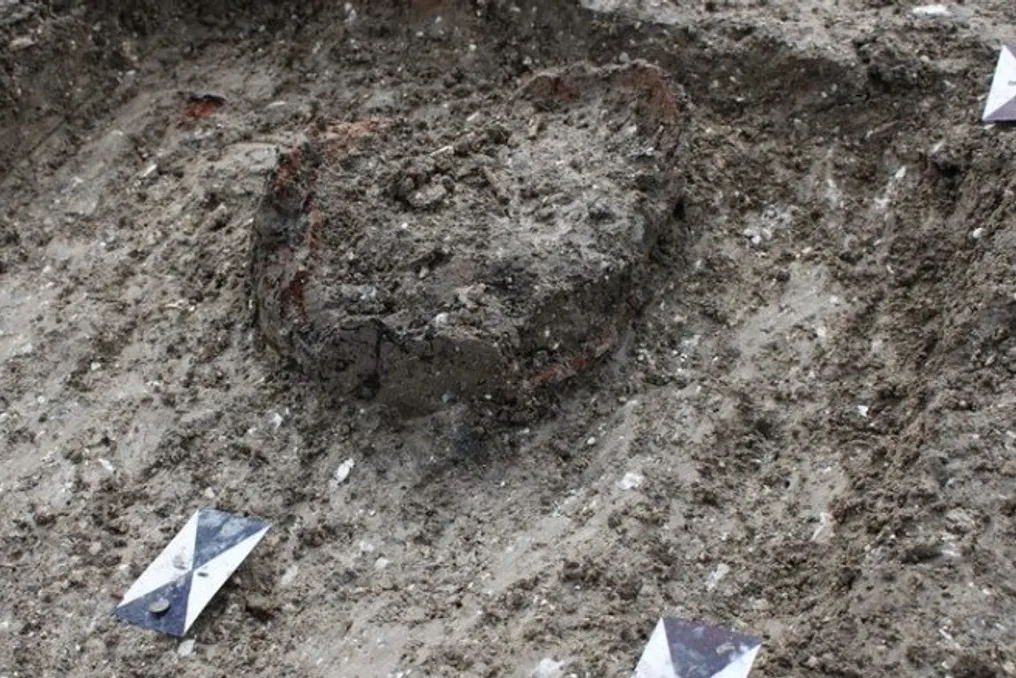
One of the burials was an overturned clay vessel containing the remains of a Roman infant. Along with the infant, the bones of an adult chicken and a small sparrow-like bird were found. This information was published on the official website of Cotswold Archaeology.

Similar stories

Archaeologists discover dog paw print on Roman brick in Hungary
Read more
nplus1.ru

Archaeologists discover dog paw print on Roman brick in Hungary

Hungarian archaeologists conducted rescue excavations in the city of Sombatheij before the construction of a new power plant began. For many years, researchers have been working on sites belonging to various historical periods.

Among the discovered artifacts were monuments from the Roman era, which are remnants of rural villas. The earliest finds date back to the Neolithic period, i.e., the 5th millennium BC.

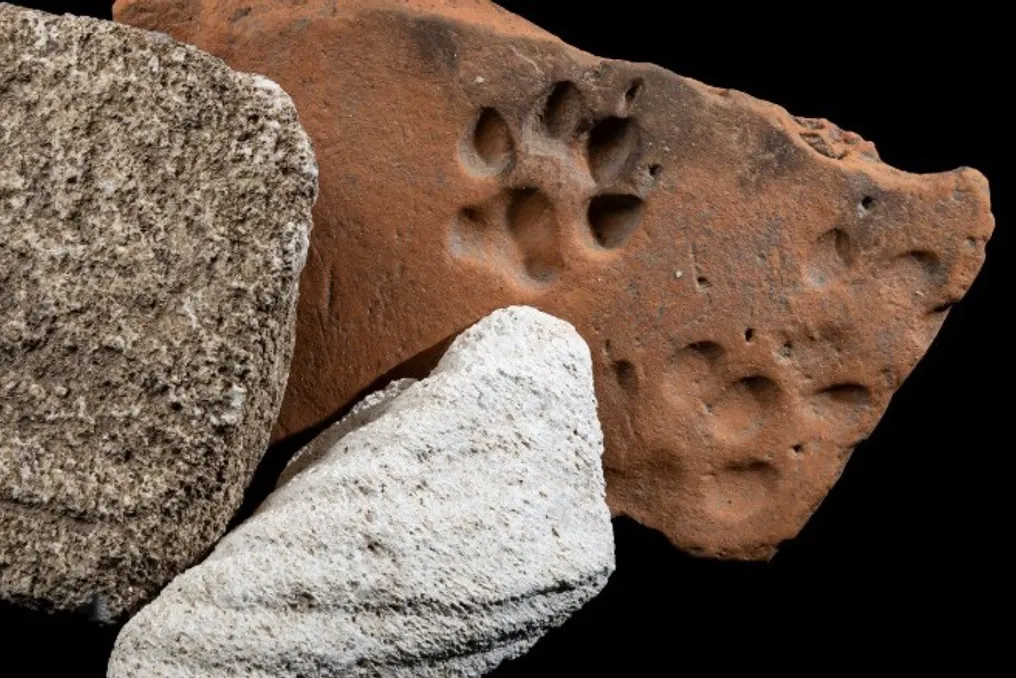
During the work, archaeologists managed to find an ancient brick on whose surface a dog paw print was preserved. This print was made even before the item was fired. Information about this find was published on the official website of the energy company E.ON Hungária Group.

Archaeologists discover evidence of large-scale ochre production by ancient Australians
Read more
nplus1.ru

Archaeologists discover evidence of large-scale ochre production by ancient Australians

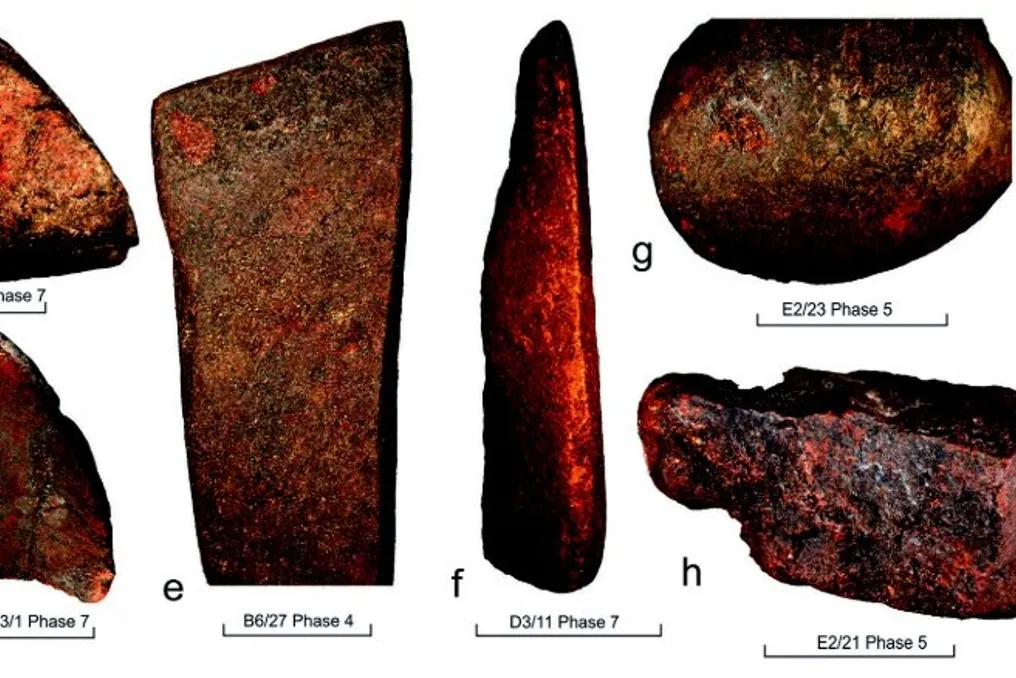
Researchers have discovered an extensive accumulation of processed ochre at one of the earliest human sites in Australia—the Majedbebe monument. Archaeologists have detailed the find resulting from excavations conducted more than ten years ago.

During these works, about six thousand fragments of paint were collected, weighing over 46 kilograms in total. According to the authors of the article published in Humanities and Social Sciences Communications, a significant portion of this material formed in the cultural layer approximately 65 thousand years ago.

Researchers study the transition from Celtiberian Klounioq to Roman Clunia in Burgos
Read more
noticiasaominuto.com

Researchers study the transition from Celtiberian Klounioq to Roman Clunia in Burgos

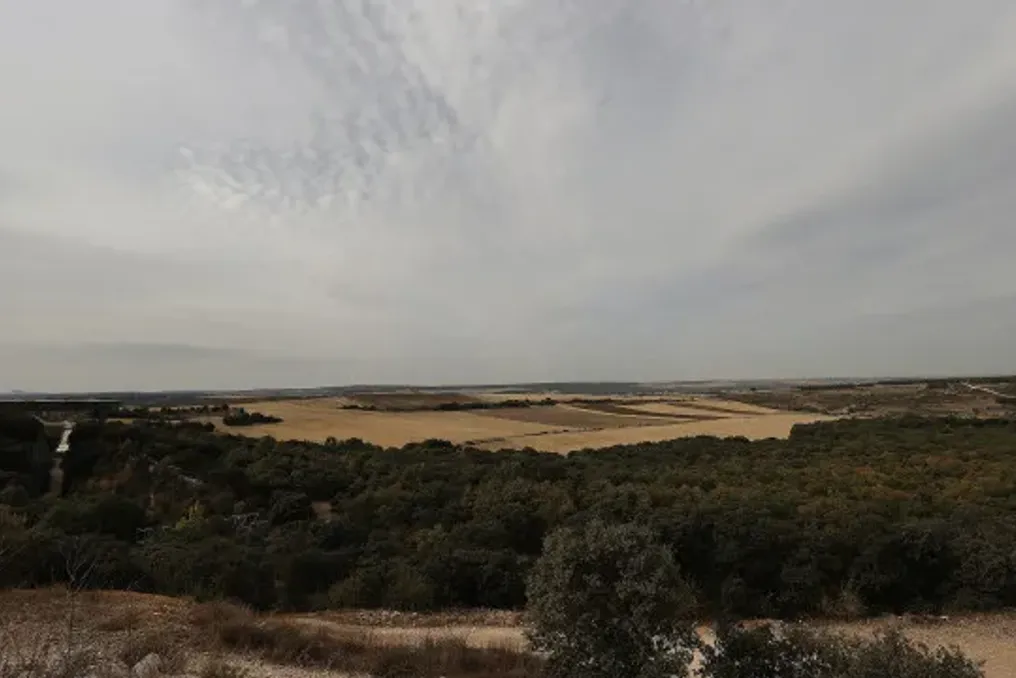
Researchers have dedicated the last three years to the Spanish region of Burgos, conducting excavations with the aim of understanding how the passage from the Celtiberian city of Klounioq, established in the 4th century BC, to the neighboring Roman city of Clunia occurred.

Luis Valdés, director of the investigation, informed at a press conference that the predominant theory suggests that the Roman forces were unable to dominate Klounioq. According to the findings, the city was not conquered militarily but rather gradually depopulated, possibly attracted by the development of the prosperous nearby Roman city.

During this summer's excavation campaign, a smelting site dating back to the 2nd century BC was discovered in Klounioq, in the municipality of Quintanarraya, along with remains of an Arearic defensive tower, considered a unique specimen in Castile and León.

This building, notable for its imposing dimensions, advanced construction technique, and materials used, constitutes a singular example of Arearic military architecture, without known parallels in Castile and León. Valdés reported that the tower, which had a base of five by five meters and an estimated height between five and eight meters, does not appear to have been destroyed in an attack; on the contrary, over the centuries, its stones were removed for various uses, such as building dwellings or fragmentation to serve as a base for paths.

The 2026 archaeological campaign also revealed an artisanal area specialized in iron and copper, dating to the 2nd century BC, which may be the largest ever found on the Iberian Peninsula. This area consisted of the remains of two reduction furnaces and a workshop whose floor was lined with limestone, pebbles, slag fragments, and ceramics, aimed at fire prevention. In this location, processes of iron ore smelting, copper treatment, and bronze production took place.

The manufactured objects included handles made from cervid shafts, several examples of which were recovered in poor state of preservation. Carbon-14 analysis, performed in a laboratory in Florida (USA) on charcoal samples, dates the activity of this workshop to the second third of the 2nd century BC to the 1st century BC. Among the ceramic artifacts, a tube, manually and wheel-molded, of rare occurrence, used to direct the air from the bellows into the furnace, stood out. A knife, several metal tools, needles, sheets, wires, and smelting residues were also found, in addition to about thirty artifacts made from cervid shafts, originating from the handles of utensils and tools.
Popular