Several days among milkwood trees in Grootbos Nature Reserve
Read more
Getaway
getaway.co.za

Several days among milkwood trees in Grootbos Nature Reserve

The author shares impressions from visiting the Grootbos Private Nature Reserve, located in the Overberg region, near Gansbaai. Although the author frequently visited Gansbaai since childhood, this trip allowed them to see a completely different side of this place—a world of ancient milkwood forests, fynbos hills, and views of Walker Bay.

The arrival in October began with stunning views from a large reception window overlooking the cloud-covered sea, lending a magical atmosphere to the landscape. Despite periodic rains during the stay, the weather did not prevent enjoyment of the vacation. Guests were offered a drink and a warm towel, and the service proved to be very friendly.

The Grootbos complex features two lodges—Garden Lodge and Forest Lodge—as well as private villas. The author stayed in a standalone suite surrounded by nature and featuring a private open area with a view. Inside, there was a cozy living room, a fireplace, and a spacious bathroom, with the bath positioned to maximize the panorama.

However, the reserve offers much more than just beautiful rooms. The best way to appreciate the richness of the area is through guided tours with experienced guides. One of the most memorable moments was a walk through the ancient milkwood forest with guide Jonno. The author learned a lot about milkwoods, which are surprisingly adapted to the coastal environment, managing with sandy, nutrient-poor soils, strong winds, and sea spray.

Jonno explained that these trees can 'crawl along the ground,' allowing them to draw nutrients and water from more distant places. During a stop under old specimens, one of which Jonno estimated could be over 500 years old, one easily forgets the passage of time. The walk was unhurried, allowing for attentive listening to the guide about the forest and plants.

Another highlight was a safari in 4x4 vehicles, where Jonno talked about the plants, their pollinators, and adaptation to the conditions of the Cape Floral Kingdom. It was noted how much is happening in the fynbos that can be missed on a regular trip. Some flowers have markings that guide bees, while others are visible under ultraviolet light. The connection between fynbos and fire was also studied, as many species depend on fires for regeneration.

In addition to nature excursions, the author visited the Grootbos Foundation, established in 2003 to formalize the reserve's work in nature conservation, community development, and education. The Foundation's activities include environmental education, training, clearing invasive vegetation, plant propagation, and supporting local residents. Research on the region's flora and fauna, including an extensive entomological collection, was also presented.

The trip also included a visit to Klipgat Cave and Walker Bay Reserve. The cave has a fascinating archaeological history with evidence of human presence dating back tens of thousands of years. On the way there, they managed to see baby whales leaping into the sea, which was an unexpected and cherished moment of the trip.

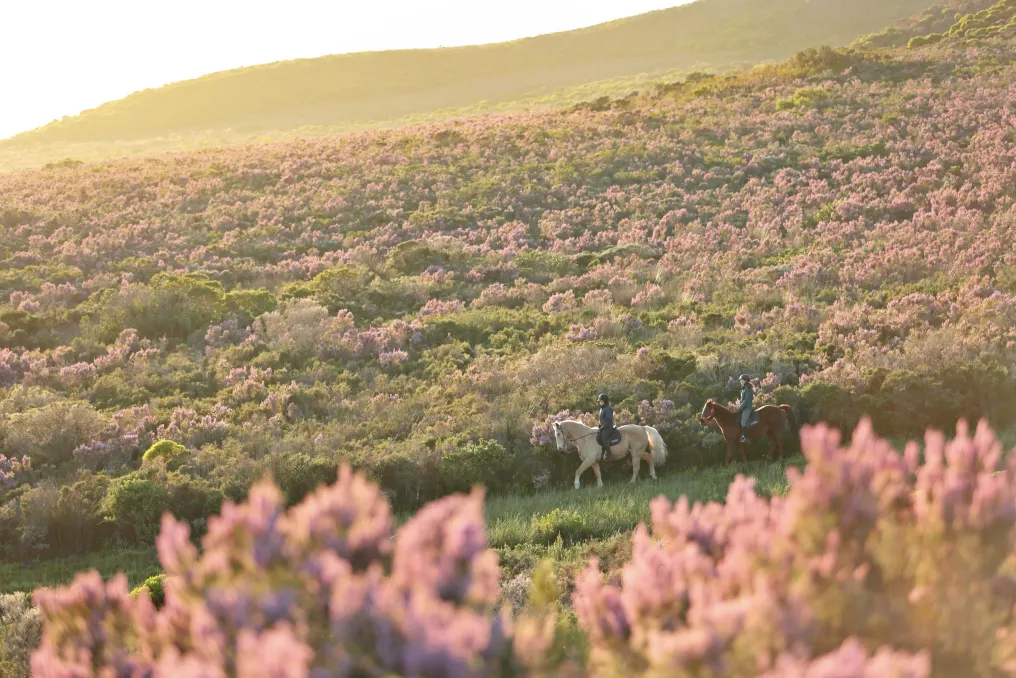
The last morning was dedicated to horseback riding in the reserve, providing a pleasant conclusion to the stay. The culinary experience also deserves special mention. Breakfast, lunch, and dinner were part of the overall impression. The author particularly noted the quality of dishes made from seasonal produce gathered on the premises and the unique homemade pepperberry chutney.

In conclusion, the author emphasized that the specialty of staying at Grootbos is the combination of natural environment, competent guides, comfortable accommodation, excellent food, and hospitable people. They believe that Grootbos is a 'six-star' experience due to details such as warm reception and staff attention to detail.
Similar stories

50 km Hiking Trail Opens in Klipopmekara Reserve in Northern Sutherland
Read more
getaway.co.za

50 km Hiking Trail Opens in Klipopmekara Reserve in Northern Sutherland

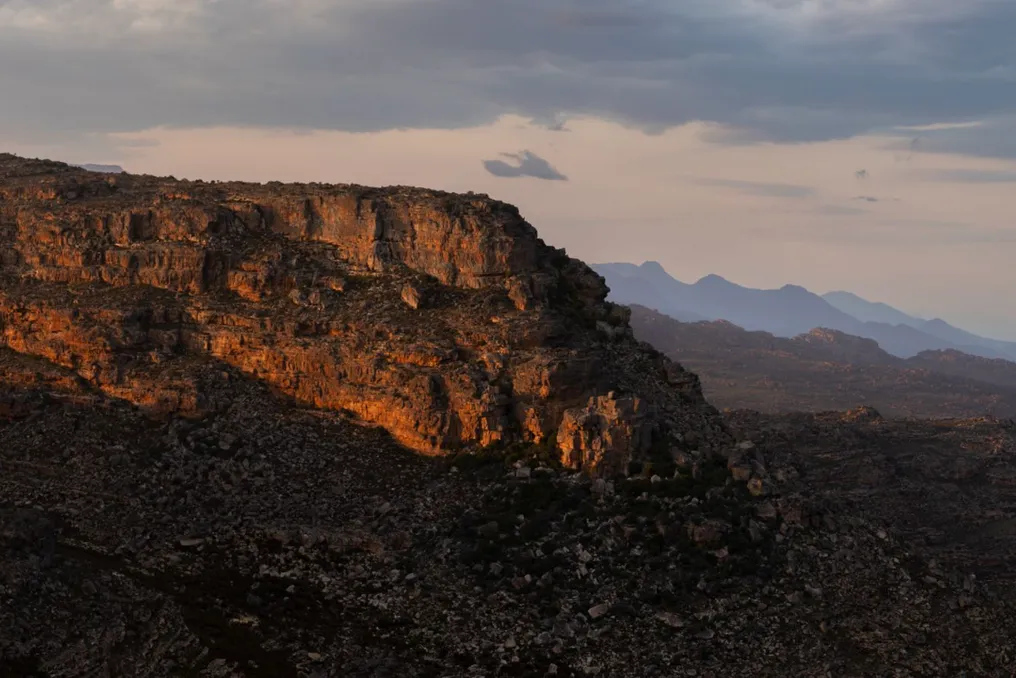
Northern Sutherland offers a new option for hiking enthusiasts with the opening of the private Klipopmekara reserve. The Sutherland Trail route covers 50 kilometers through this private territory, passing by sandstones, mountain fynbos, and natural water bodies. Tourists can use a daypack, while main luggage will be transported between camps.

Bookings are open, and the first groups are scheduled to depart on July 1, 2027.

This private reserve, located approximately 65 kilometers from Clanuilliam, will open its trails to visitors starting July 1, 2027, offering a self-guided 50 km trek that combines wild mountain scenery with comfortable accommodation. This is an attractive alternative for those who love nature but do not want to carry heavy backpacks or sleep in tents.

Sutherland has long attracted nature lovers, photographers, and tourists due to its impressive sandstone formations, ancient rock art, local fynbos, and seasonal blooms. However, Klipopmekara offers something unique—access to 6,000 hectares of private landscape previously unavailable to the public.

Along the way, tourists can enjoy extensive mountain views, secluded valleys, waterfalls, and natural swimming pools. Furthermore, the experience allows participants to study the local geology, vegetation, and fauna before settling under the magnificent Sutherland sky, away from city lights.

The Sutherland Trail covers about 50 km and is designed for four days and three nights. Hikers move between three camps: Hole in the Roof, Dee Bassie, and Dragon's Lair. The trail is well-marked, allowing groups to explore it independently and at their own pace.

One of the main advantages is the 'slackpacking' system: instead of carrying everything needed for the journey, tourists can enjoy the mountain scenery while their baggage is transported between accommodations. Each camp is equipped with six private, isolated dome tents with double awnings, featuring hot showers and fresh linen. Common areas include a fully equipped kitchen, lounge, dining room, and barbecue area. Wood-burning stoves provide warmth on cold winter evenings, while natural pools offer refreshing respite in warm weather.

The camps are reserved exclusively for one group, ensuring a more secluded experience away from popular tourist routes. The project was realized by the couple Richard and Karin Bowers, whose family owns and operates the Klipopmekara Organic Rooibos farm. The nature-loving couple spent over twenty years exploring the surrounding mountains with family and friends. Their deep knowledge of the area, including hidden valleys, ridges, and watercourses, helped shape the route.

The family's interests in nature conservation, organic rooibos cultivation, art, and design also influenced the development of this experience, particularly regarding accommodation and the overall approach to shared wilderness use. For Richard, ambitions extend beyond creating just another tourist destination; the family hopes the trail will encourage more people to appreciate Sutherland, establish a strong connection with nature, and support the region's conservation for future generations.

The full route is 50 km and is classified as moderately challenging, making it suitable for people with a sufficient level of physical fitness. Groups can also opt for one of two alternative short routes, reducing the total distance to approximately 43 km. Bookings are accepted for groups of up to 12 people, and this self-guided experience offers flexibility without compromising the privacy of the camps. The initial offering will be self-catering, with guided and full-service options expected to appear during 2027. Thanks to the combination of pristine landscapes, comfortable lodging, and relatively small group sizes, the Sutherland Trail presents a new way to experience one of the most outstanding natural regions of the Western Cape.

Enseleneni Nature Reserve: Walking Trails in Richards Bay
Read more
getaway.co.za

Enseleneni Nature Reserve: Walking Trails in Richards Bay

If you are traveling through northern KwaZulu-Natal on the N2 highway and heading to one of the major ZuluLand reserves, you might notice an excellent spot for a walk. Enseleneni Nature Reserve is located near the highway, close to Richards Bay and Empangeni, where coastal grassland meets forest bordering the freshwater Enseleneni River.

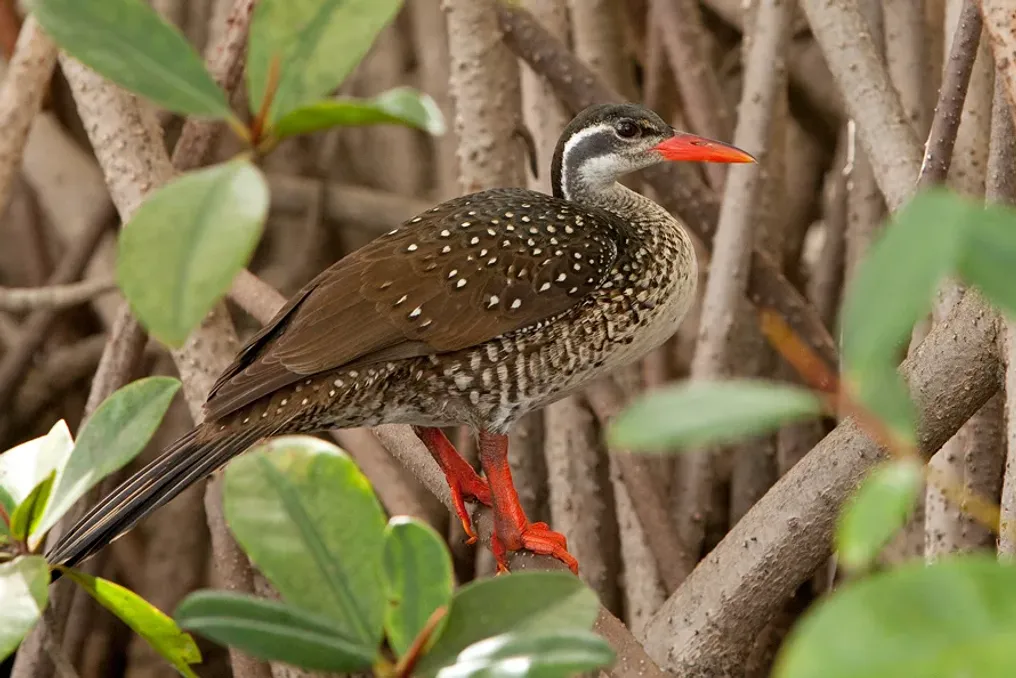
The reserve offers two walking trails and a picnic area, making it suitable for a morning visit. If you have binoculars, it is recommended to start with the Mvubu trail. This 5.2 km route follows the Enseleneni River, so it is worth stopping at water-view points to observe shaded areas and branches over the river, as this is where the African finch is often found.

The Nkonconi trail, which is 4.8 km long, offers a different hiking experience despite the similar distance. Researching both routes showed that the ground on Nkonconi is sandier, and wooden steps and a small bridge along the trail were also documented. Both routes pass through forested and marshy areas. It is necessary to wear shoes with good tread, especially after rain, and to stick to marked trails, as researchers found unofficial tracks that could lead to vegetation and soil destruction.

The African finch is one of the most famous birds in the reserve. Since it is a shy inhabitant, a few quiet minutes of observation from the riverbanks may be more beneficial than an extra kilometer of walking. It is also worth listening to the sounds of the forest: green malokas are found here year-round, and in winter, a local bird guide points out the presence of the spotted ground thrush.

There are many reasons to look up from your binoculars. The Zululand Observer lists antelope, bushbuck, and zebra among the reserve's wildlife. A pause where the forest transitions into grassland allows for surveying the surroundings for movement before continuing the journey. After this, a picnic can be arranged, especially if you plan to spend the morning there. The availability of pre-organized meals facilitates the possibility of lingering if something catches your attention.

The entrance is on the north side of the N2 highway near Richards Bay. The town of Umhlathuze publishes daily operating hours from 07:00 to 17:00 and information on the entrance fee. Before traveling, you should call 035 792 0034 to clarify the cost, gate hours, and open trails. The stated distances are based on the Ezemvelo KZN Wildlife management plan and correspond to data obtained during field research. It is recommended to ask at the entrance which route to choose on a specific day.

If you plan to spend the weekend in Richards Bay, dedicate the first morning to Enseleneni Reserve. Choose one trail, bring food, and leave some free time in your schedule. You might wait for the bird by the river or simply stay longer at lunch before returning to the N2 highway.

Sandveld Reserve: Meeting Point of Free State Bushveld and Bloemhof Dam
Read more
getaway.co.za

Sandveld Reserve: Meeting Point of Free State Bushveld and Bloemhof Dam

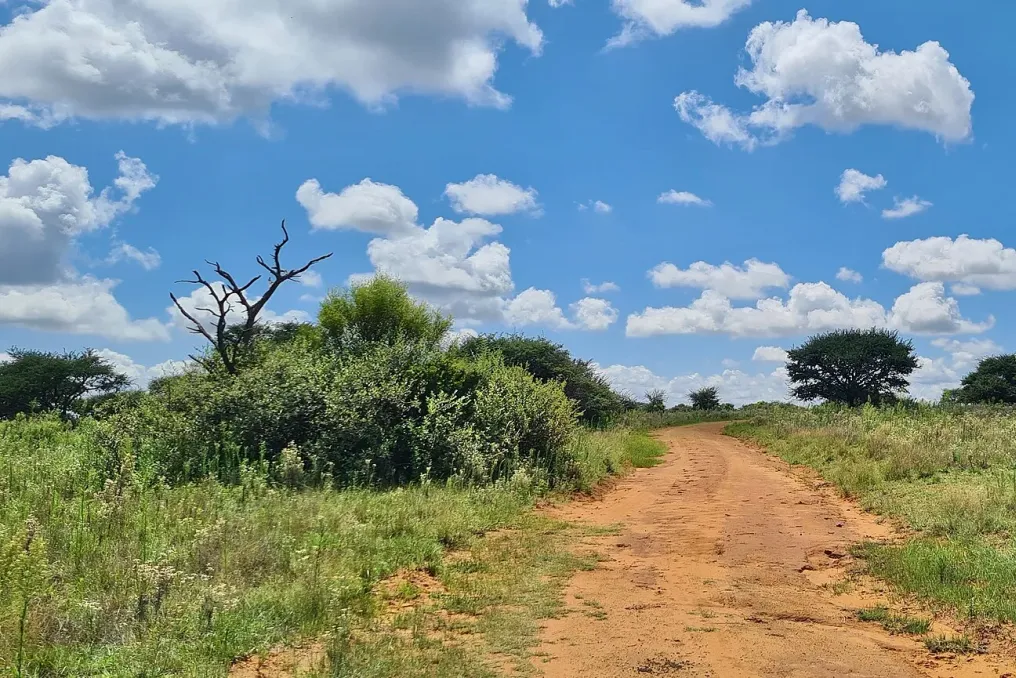
If you are planning to spend the weekend at Sandveld Reserve, set aside at least one morning to explore the dirt road routes. On the side of Bloemhof Dam, where the Vaal and Vredefort rivers meet on the border of the Free State, you can start a walk among the Camelthorn trees and reach the water even before your coffee cools down.

It is recommended to move slowly. Near the camp, you might notice a flash of red color, which could be a crimson-breasted swift, and the quietly standing Goliath heron near the dam might go unnoticed if you drive past too quickly.

The sandy soil gave Sandveld its name, and the dirt roads pass through the Kalahari thorn bush, open grasslands, and Karoo shrub areas. While driving, pay attention to the Camelthorn trees; large nests of social weavers are in their branches. If you are lucky, you might see a Verre owl perched on top of one of them.

There is also much to observe at ground level: giraffes, zebras, and blue antelope inhabit this area, as well as sabelline and roan antelopes. When the trees part, it is worth stopping to watch the movement in the grass.

From the main camp, you can turn north along the dirt road by the shore. If the water has receded enough to expose a strip of mud or sand, look for three-banded plovers moving along the edge. Further on, you can spot great egrets, and in summer, keep an eye out for arriving sandpipers. What you see partially depends on the dam level, so the same stretch of shore may look different with each visit.

If you prefer to spend the morning fishing, carp and barbel are found in the dam.

The entrance to the reserve is on the R34 highway between Hoopstad and Bloemhof, approximately 10 km from Bloemhof. The province offers accommodation options: self-catering chalets and electric campsites, as well as unconnected spots along the shore. You must bring your own food, as there are no shops in the reserve. For bookings and visitor information, please refer to the official Sandveld Reserve website.

If you are staying overnight, leave some time before departing to survey the surroundings of the camp once more. You might see a Kalahari scrub robin or hear the cry of an African fish eagle from the dam. And if that is enough to return along the shoreline for one last look, that would be even better.

Popular