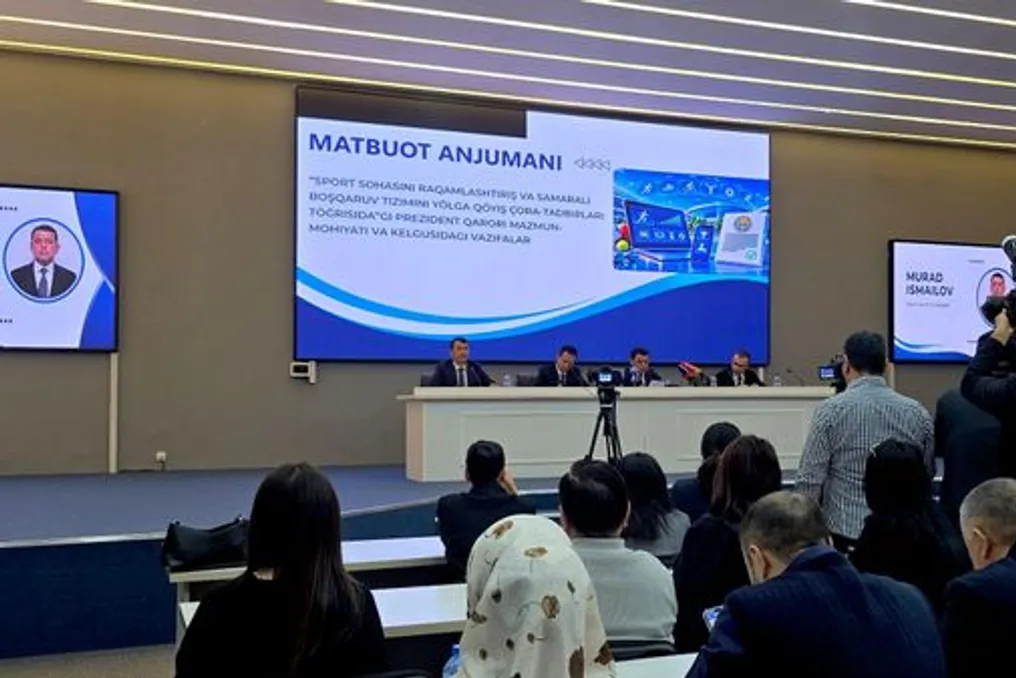
The introduction of unified digital management and the use of QR-code diplomas will allow for online monitoring of processes in the sports industry and decision-making based on accurate data.
Funds received from paid services in sports and educational institutions will be integrated into the 'ERP sport' system, which, in turn, will be linked to the Central Bank's 'Munis' system. According to data, 80 percent of these funds are directed to sports and educational institutions, 10 percent to the Ministry of Sport's Sports Support Fund, and the remaining 10 percent to the 'Center for Digitalization and Certification' of the Ministry of Emergency Situations.
The Deputy Minister noted that there will no longer be situations where a person presents a diploma and claims their achievements. Diplomas and certificates will be integrated into the 'ERP sport' database and other platforms. Thus, if an educational institution requires presentation of a document, it will not be obliged to show the diploma, as the database itself will verify its authenticity. This will prevent the appearance of counterfeit diplomas and certificates.
He also reported that the center where Olympic national teams are formed has enough jobs for the existing staff. However, when forming teams, candidates' compliance with new requirements, their information, and experience will now be taken into account. The Deputy Minister emphasized that no one will be left without a job.
According to the Deputy Minister of Sport, the center will operate in disciplines such as gymnastics, athletics, sports games, water sports, winter and complex technical sports, as well as individual sports. The new center is the legal successor to republican higher sports schools and will be located in the Olympic Village based on the right of free use.